How to Start a Dump Truck Business: CDL, Insurance and Rules
Starting a dump truck business takes a CDL for heavy trucks, insurance and a USDOT number for interstate work. See equipment, local vs interstate rules and costs.
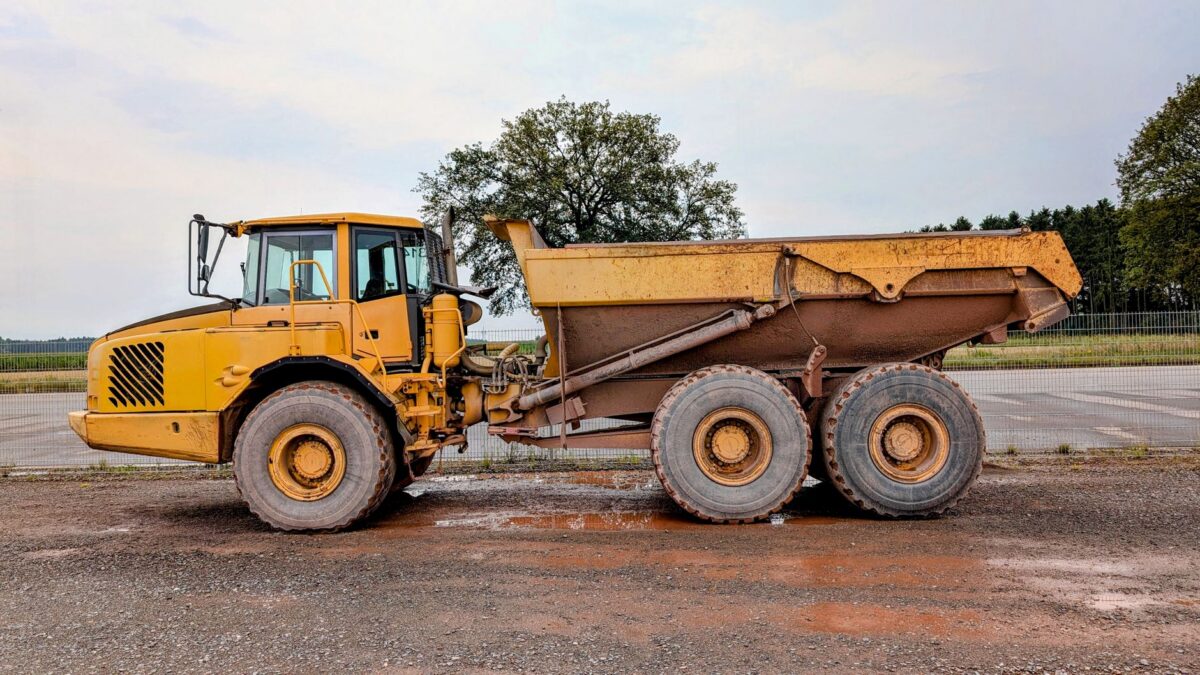
You can start a dump truck business with a CDL, a truck with a licensed dump body, commercial insurance and the registrations your state requires. Local work inside one state usually needs state registration and insurance only, while hauling across state lines adds a USDOT number, FMCSA safety rules and often operating authority. Dump trucks rated at 26,001 pounds or more need a CDL in either case.
Do you need a CDL to drive a dump truck?
Yes, for most dump trucks. A single vehicle with a gross vehicle weight rating (GVWR) of 26,001 pounds or more requires a Class B CDL, and tandem and tri-axle dump trucks are well above that line. A Class A CDL is needed when you pull a trailer rated over 10,000 pounds behind a heavy truck, which covers end dumps, bottom dumps and transfer trailers.
Smaller dump trucks, such as a one-ton with a dump bed, fall under the 26,001-pound line and may not need a CDL. Check the GVWR on the door jamb plate, because the rating on the plate decides it, not what the truck usually carries. Drivers under 21 can only hold an intrastate CDL, which matters if you are young and planning to cross state lines (see the age rule for interstate driving).
What is the difference between local and interstate dump truck work?
Intrastate work stays inside one state and follows that state’s rules. Interstate work crosses a state line, and so does a load that started in another state, and it falls under federal motor carrier regulations. Many states copy the federal rules for intrastate carriers, but weight limits, permits and exemptions differ, so call your state DOT or motor carrier office before you buy a truck.
Most dump work is local: construction sites, quarries, landfills and road crews within a county or metro area. That keeps you out of most federal paperwork if you never cross a state line. The moment a job takes you across the border, even for one haul, interstate rules apply. A full breakdown is in this guide to intrastate vs interstate trucking.
What registrations and authority does a dump truck business need?
The list depends on where you drive and who pays you. Common items:
- A business entity (LLC or sole proprietorship), an EIN from the IRS and a business bank account.
- State vehicle registration and, in many states, a state DOT number for intrastate carriers.
- A USDOT number if you run a commercial vehicle in interstate commerce at a GVWR over 10,000 pounds.
- Motor carrier (MC) operating authority if you haul regulated cargo for hire across state lines. Whether your cargo qualifies for an exemption depends on the commodity, so confirm with FMCSA before you skip it.
- A BOC-3 process agent filing when you hold authority.
- Unified Carrier Registration (UCR) for interstate carriers.
- IRP plates and an IFTA fuel tax license for interstate trucks that meet the weight and axle thresholds.
- IRS Form 2290, the heavy highway vehicle use tax, for trucks at 55,000 pounds gross weight or more.
The rules, forms and registration steps are on the Federal Motor Carrier Safety Administration site. Requirements for similar small-truck businesses overlap, and the hot shot trucking requirements and box truck business requirements pages show the same steps for those trucks.
What equipment do you need to start?
The truck is the main purchase. Common configurations:
- Single axle or tandem axle dump truck, good for tight job sites and lighter loads like topsoil, mulch and small aggregate jobs.
- Tri-axle dump truck, the standard for sand, gravel and fill in many regions, with a higher payload within legal weight limits.
- Quad-axle dump truck, used where state weight laws allow more payload.
- Semi with an end dump or bottom dump trailer, built for bulk aggregate over longer distances.
Used trucks are far cheaper than new ones, but check the frame, hoist cylinder, tailgate, brakes and tires, and have a diesel mechanic inspect the engine before you pay. Budget for a tarp system, since most states require loads to be covered or secured, plus an ELD if your drivers fall under hours-of-service rules that require one, a GPS tracker, safety gear and a dispatch or accounting tool. Emissions rules also affect which engine years you can buy and run in some states, and federal NOx standards for new trucks are still being debated (see the latest on the proposed 2027 NOx rule).
How much insurance does a dump truck business need?
Federal law sets a minimum of $750,000 in primary liability for for-hire carriers hauling nonhazardous property in vehicles over 10,001 pounds in interstate commerce. Many general contractors and quarries ask for more, often $1 million or higher, plus proof of coverage before you load. State minimums apply to intrastate carriers and vary.
Plan on these policies:
- Primary auto liability for the truck.
- Physical damage coverage if the truck is financed, which lenders typically require.
- Motor truck cargo coverage, though loose aggregate is a lower cargo risk than general freight.
- General liability and workers’ compensation if you hire drivers.
- Non-trucking liability if you lease onto another carrier.
Dump trucks carry high premiums because of rollover risk, tight sites and a high accident rate in the construction sector. Quotes vary by state, driving record, truck age and radius, so get several. Keep a clean MVR and avoid violations, because premiums follow them.
What federal driving rules apply to dump truck drivers?
Interstate drivers need a DOT medical card and must follow hours of service: 11 hours of driving inside a 14-hour window after coming on duty, with a 30-minute break after 8 hours of driving. All CDL holders are subject to drug and alcohol testing and to the Drug and Alcohol Clearinghouse. Hand-held phone use is banned, and the cell phone rules for truck drivers list the penalties.
Most dump truck drivers work short routes. The short-haul exemption lets drivers who stay within 150 air miles of their reporting location and meet other conditions skip the logbook and ELD requirement. The details are in the short-haul exemption guide. Weight is the other big risk: overweight tickets for axle and gross limits can cost more than a day’s pay, so scale your loads and know your state’s bridge limits.
How do you find dump truck work?
Most owner-operators start by hauling for a general contractor, an excavation company or a materials supplier. Other sources are subcontracting to larger hauling firms, state and municipal bids, and load boards or brokers for aggregate. Pay is usually per hour, per load or per ton, so track fuel, maintenance and downtime against each rate before you accept it. Getting paid on time matters as much as the rate, so ask about payment terms up front.
Quick answers
Can you start a dump truck business without a CDL?
Only with a truck rated under 26,001 pounds GVWR that does not need a CDL. Most commercial dump trucks need a Class B or Class A CDL.
Do you need MC authority for a dump truck?
Not always. It depends on the cargo and whether you cross state lines for hire. Many dump operators haul under a contractor or carrier, so confirm with FMCSA before filing.
Is a dump truck business profitable?
It can be, but results depend on truck cost, fuel, insurance, local demand and how many days a year the truck works. Construction slows in winter in many areas, so plan cash for slow months.