Power Only Trucking: Authority, Insurance and Trailer Rules
Power only trucking means hauling a trailer you do not own with your own tractor. See who supplies trailers, what authority and insurance you need, and how pay works.
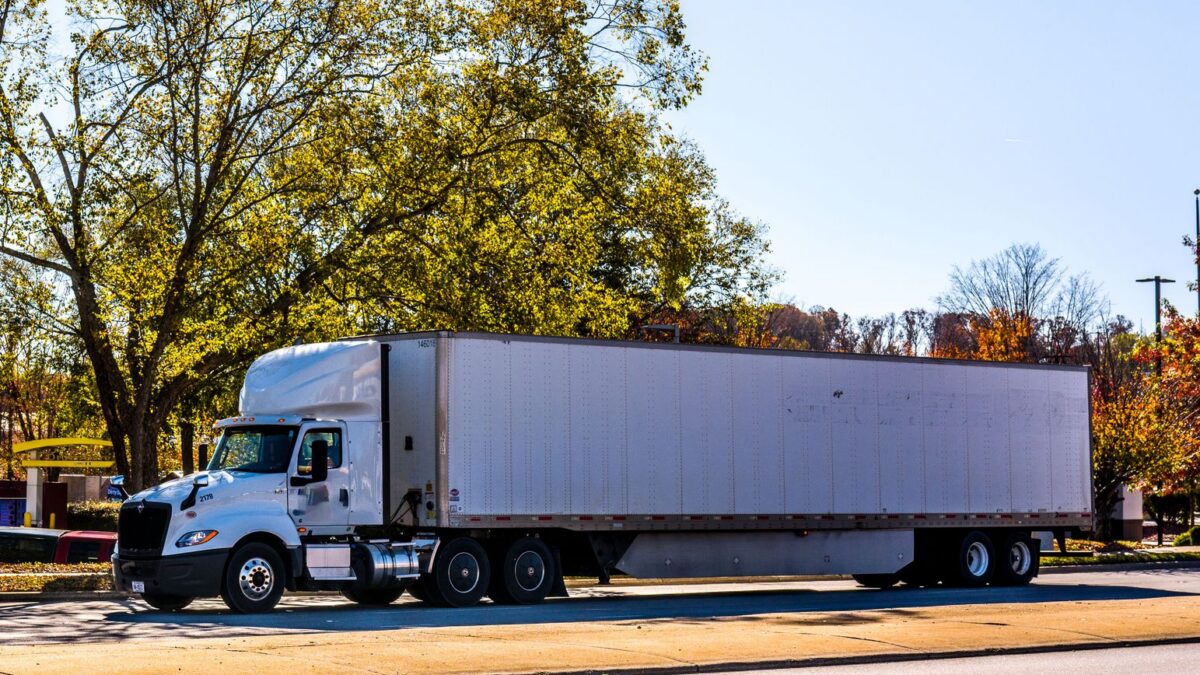
Power only trucking means a driver supplies the tractor and the driver, and the shipper, broker or carrier supplies the loaded or empty trailer. The driver is paid to move that trailer from one point to another, usually by the mile or a flat rate per load, and never owns the trailer or the freight inside it. To run power only for hire across state lines you need a USDOT number, either your own operating authority (an MC number) or a lease to a carrier that has one, and liability insurance that meets the federal minimum.
The work appeals to owner-operators because the cost of buying and maintaining trailers is left to someone else. It also moves most of the paperwork risk onto the driver, particularly around trailer damage, so the contract matters as much as the rate.
How does power only trucking work?
A power only load starts when a company with trailers and freight but not enough tractors or drivers hires you to pull one of its trailers. You pick up the trailer at a shipper, a yard or a drop lot, haul it to the destination, and drop it or leave it to be unloaded.
The shipper or carrier that owns the trailer handles loading, sealing and the bill of lading. You are responsible for the tractor, fuel, tolls, your hours of service and a proper pre-trip inspection of the trailer you hook to. Many power only runs are drop and hook, which means you swap trailers instead of waiting for loading or unloading, so detention time is usually shorter than on live loads.
Typical uses include moving trailers between a carrier’s terminals, shuttling trailers between a warehouse and a port or rail yard, and covering a carrier’s seasonal overflow. Some of this is regular local work, and some is long-haul repositioning.
Who provides the trailers in power only?
The trailer comes from the party hiring you. That is most often a carrier with its own fleet, a broker that has arranged a trailer from a shipper, a shipper with its own trailer pool, or a trailer leasing and rental company.
Trailer types vary: dry vans, refrigerated trailers, flatbeds and tankers can all be pulled power only, but you need the right equipment on your tractor for each. A reefer needs no special tractor gear in most cases, while a tanker may require a tanker endorsement on your CDL and a flatbed may call for different securement knowledge. If the trailer is a hazardous materials load, extra endorsements, placards and much higher insurance minimums apply, so most power only operators avoid it unless they are set up for it.
Before you accept a load, confirm in writing who owns the trailer, who is responsible if it is damaged, and what condition it will be in when you pick it up.
What authority do you need for power only?
If you haul for hire in interstate commerce with a commercial vehicle over 10,001 pounds, you need a USDOT number, and you also need for-hire operating authority (an MC number) from the Federal Motor Carrier Safety Administration (FMCSA) unless you operate under someone else’s authority. The FMCSA registration page describes the current process.
Operating under your own authority usually involves these pieces:
- A USDOT number and the MCS-150 registration form, kept up to date.
- An MC number for for-hire authority.
- A BOC-3 filing naming process agents in each state.
- Proof of insurance filed with FMCSA by your insurer.
- Registration through the Unified Carrier Registration (UCR) program, plus IRP apportioned plates, IFTA fuel tax and the federal heavy vehicle use tax (Form 2290).
Operating under another carrier’s authority, known as leasing on, means the carrier’s USDOT and MC numbers go on your truck, and you work as its contractor. That skips the authority filing but gives up control over which loads you take and how much you keep. Intrastate-only work follows state rules instead, which differ by state.
The same registration questions come up in related setups, so the pages on hot shot trucking requirements and box truck business requirements are useful comparisons. If you plan to use a dispatcher to find loads, see when a dispatch service needs broker authority.
What insurance does a power only trucker need?
The federal minimum for-hire primary liability coverage for general freight (non-hazardous) is $750,000, set in the FMCSA financial responsibility rules at 49 CFR 387.9. Brokers and shippers often ask for more than the minimum, and the figure is much higher for hazardous materials.
Beyond liability, these coverages come up most often in power only work:
- Trailer interchange coverage pays for damage to a trailer you do not own while it is in your possession under a written interchange agreement. Carriers and shippers commonly require it, and without it a damaged trailer can become your own bill.
- Physical damage coverage on your tractor.
- Motor truck cargo coverage. Federal rules do not require it for most general freight, but many shippers and brokers do, and it matters if you pull a loaded trailer.
- Non-trucking (bobtail) liability if you are leased to a carrier and drive without a trailer.
- Occupational accident coverage, which many leased owner-operators buy because they are not covered by workers’ compensation.
Get the actual requirements from each customer’s contract and from your insurance agent before the first load, since limits and exclusions differ by policy.
How do you get paid, and what are the common mistakes?
Pay is usually a flat rate per load or a per-mile rate, with fuel surcharge, detention and layover terms spelled out in the rate confirmation or lease. Because your cost per mile still includes the truck payment, insurance and fuel, calculate it before you quote. A trucking fuel card can lower the fuel part of that cost, depending on its fees and discounts.
The most common problems come from the trailer rather than the truck:
- Skipping the trailer inspection. Check tires, brakes, lights, landing gear, doors, seals and any damage, and photograph it before you leave the yard.
- Signing an interchange agreement without reading who pays for damage.
- Accepting a trailer with a seal or paperwork that does not match the bill of lading.
- Ignoring the freight cycle. When rates fall, power only rates often fall with them, as described in the explainer on the freight market cycle.
Quick answers
Is power only the same as hot shot?
No. Hot shot usually means hauling smaller freight on a pickup-style truck with a gooseneck or bumper-pull trailer that the driver typically owns. Power only uses a full-size tractor and a trailer someone else owns.
Do you need a CDL for power only?
Yes, in nearly every case. Pulling a typical tractor-trailer combination over 26,001 pounds requires a Class A CDL, plus any endorsements the load needs.
Who pays if the borrowed trailer is damaged?
The interchange agreement or contract decides. If you are responsible while the trailer is in your possession, trailer interchange insurance is meant to cover that exposure.
Can a new owner-operator start with power only?
Yes, because it requires no trailer purchase. The upfront costs are the tractor, insurance and registrations, and many new drivers lease onto a carrier first to avoid obtaining their own authority.