Expedited Freight Trucking: Van and Straight Truck Authority
Expedite carriers move urgent freight in cargo vans and straight trucks. Authority depends on weight and lease setup, and this page covers the main rules.
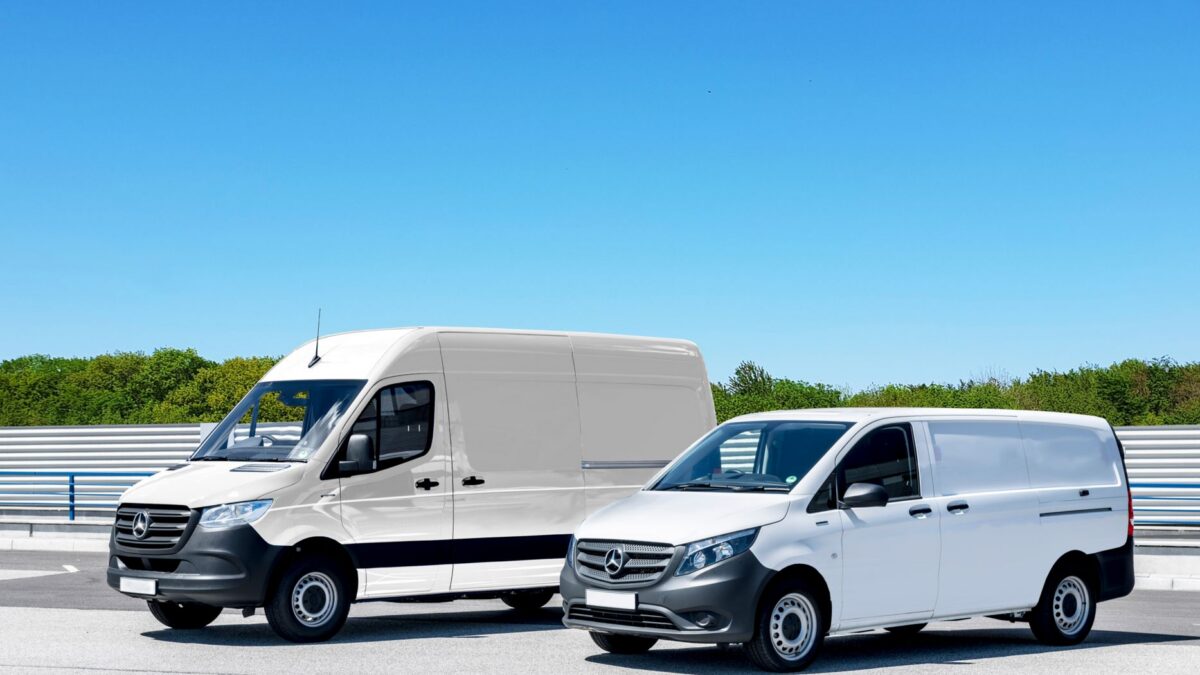
Expedited freight is time-critical cargo moved by a cargo van or straight truck, usually one driver direct from pickup to delivery with no terminal stops. Whether you need your own operating authority depends on the vehicle’s weight rating, who pays you, and whether the load crosses state lines. Most owner-operators start by leasing onto an established expedite carrier, which lets them skip authority at first.
What is expedited freight and how does it work?
An expedite load is a shipment that has to arrive by a firm deadline, often within hours. Typical cargo includes automotive parts for a stopped assembly line, medical supplies, trade show displays and replacement equipment. The truck goes straight from the shipper to the receiver, so the load never sits in a warehouse or waits for a trailer to fill.
Work comes from three places: expedite carriers that dispatch loads to contracted drivers, freight brokers who post urgent loads on load boards, and direct shippers who keep a regular driver on call. Pay is per mile, often with a minimum charge for short runs, plus extras such as detention, layovers or a team rate when two drivers share the run.
What is the difference between a sprinter van and a straight truck?
A sprinter van is a full-size cargo van with a high roof, usually carrying a few pallets or a stack of boxes. It is cheaper to buy and run, easier to park and fits through tighter delivery locations. A straight truck, often called a box truck, has the cargo box and the engine on one frame with no separate trailer. It holds more pallets and heavier freight, and most models have a lift gate or a loading ramp.
- Cargo vans suit small, urgent parcels and a few pallets, and run lower fuel and insurance costs.
- Straight trucks carry more volume per trip and win larger loads, but cost more to buy, insure and maintain.
- Both rely on the same basic skill: planning fast, safe routes and keeping the load secured and undamaged.
Do you need a CDL to drive a cargo van or straight truck?
Usually not. A commercial driver’s license is required when the vehicle’s gross weight rating is twenty-six thousand and one pounds or more, when it tows a heavy trailer, or when it carries placarded hazardous materials. Cargo vans fall far below that line, and many straight trucks used for expedite work are rated at or just under it, so a regular license is enough. Check the weight rating plate on the driver’s door jamb before you buy, because a heavier box truck changes the answer.
What authority do you need to run expedite loads?
Federal rules from the Federal Motor Carrier Safety Administration start to apply at a gross vehicle weight rating of ten thousand one pounds. Below that, a typical cargo van is generally outside the federal safety rules, though states and cities can still require registrations, permits or business licenses.
Above that weight, and in interstate commerce, you generally need a USDOT number so the agency can track your safety record. If you haul regulated freight for hire for other companies and use your own authority, you also need a motor carrier (MC) number, which brings insurance filings and a process fee. Intrastate operations follow state rules, which differ widely, so confirm them with your state’s motor carrier office.
The alternative is to lease on with a carrier that already holds authority. The carrier’s numbers go on the truck, and it handles filings, though you give up a share of each load. The mechanics are similar to those in our guide on power only trucking authority and insurance, where the same choice between your own authority and a carrier’s comes up.
What insurance do expedite drivers carry?
Expedite work usually needs primary auto liability and cargo coverage, and many shippers and brokers also ask for general liability or a certificate naming them as the holder. Requirements for vans are set by the customer or the carrier you lease onto. For heavier trucks under federal authority, a minimum level of liability coverage is required. Our overview of trucking insurance types explains how liability, cargo and bobtail policies differ. Premiums depend on your driving record, the vehicle, the cargo you haul and where you operate.
What rules apply once you are on the road?
If your vehicle falls under federal rules, hours-of-service limits and logging requirements apply, which matters in expedite because runs are long and deadlines are tight. Drivers running under the weight threshold are not covered by the federal limits but still face the same real risk of fatigue and should plan rest accordingly. Vehicles that carry cargo for hire also face inspections, and a missing or expired document can put the truck out of service.
High-value urgent freight attracts thieves, so secure the cargo and avoid leaving a loaded van unattended in busy areas. Our guide to cargo theft schemes and hot spots covers common tactics and what to do after a loss.
How do you start in expedited freight?
- Choose a vehicle and check its gross weight rating against the federal and CDL thresholds.
- Decide whether to lease onto an expedite carrier or build your own authority and customer base.
- Register the business, arrange insurance and set up a way to track mileage, fuel and maintenance costs.
- Sign up with carriers and load boards, then build a reliable record for on-time delivery and clean pickups.
- Track your costs per mile so you know the lowest rate you can accept on any run.
Quick answers
Can I run expedite with a Sprinter van and no authority?
Often yes, when the van is below the federal weight threshold or when you lease onto a carrier that holds the authority. State rules and customer requirements still apply.
Is expedite work steady?
Volume follows the broader freight market, so rates and available loads rise and fall with the cycle. Our explainer on the freight market cycle shows how those swings work.
Do straight trucks need a CDL?
Not unless the weight rating reaches the commercial threshold or the truck hauls placarded hazardous materials.