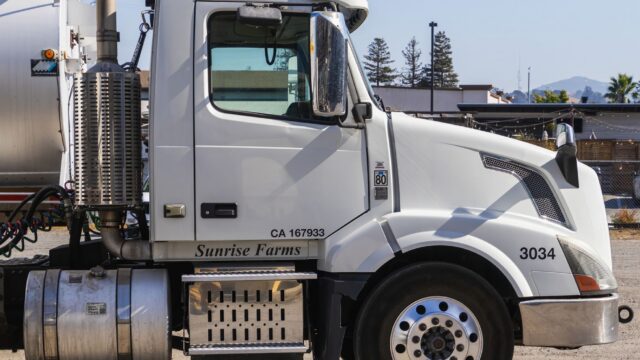
Truck Preventive Maintenance Schedule: Daily, Service and Annual Checks
A truck preventive maintenance schedule has three layers: daily walkaround, checks at each oil change, and a yearly DOT inspection. See what goes in each.
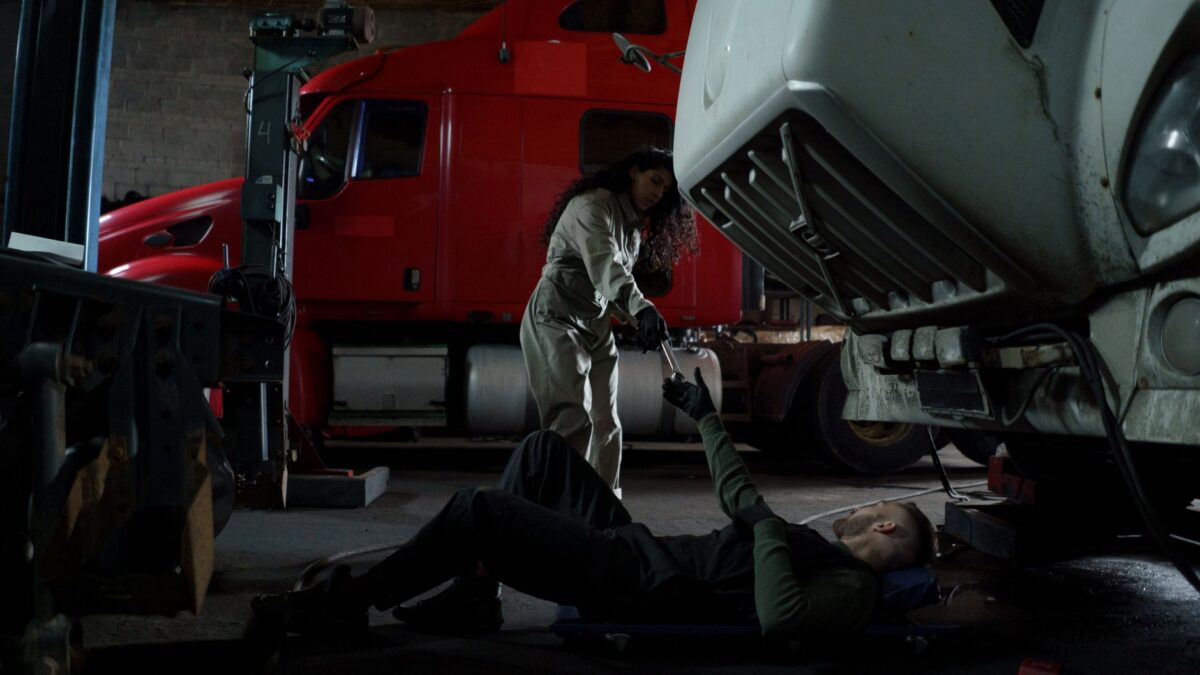
A truck preventive maintenance schedule has three layers: a short walkaround every day, a fuller inspection at every oil change, and a documented annual inspection that federal rules require at least once every 12 months. The daily check catches leaks, worn tires and failed lights before the truck leaves the yard. The service-interval check catches wear before it becomes a breakdown. The annual inspection proves the truck still meets the minimum safety standard.
Exact oil change intervals depend on the engine, the oil and the duty cycle, so the engine maker’s manual sets the number. The checklists below show what to cover at each level.
What should I check on my truck every day?
Every day, before the first mile, walk around the truck and look at the parts that fail most often and cost the most when they do. Drivers already do this as a pre-trip inspection, and the same walk doubles as maintenance. The rules for the written report are covered in pre-trip inspection and DVIR rules.
- Engine oil, coolant and power steering fluid levels, with the engine off and on level ground.
- Belts and hoses for cracks, fraying or wet spots.
- Tires for cuts, bulges, low pressure and loose or missing lug nuts. Federal tread minimums are 4/32 inch on steer tires and 2/32 inch on other positions.
- Air lines, gladhands and the air brake system: build pressure, listen for leaks, and check that the low-pressure warning works.
- Steering components, suspension, springs and shackles for cracks, missing bolts or shifted parts.
- All lights, reflectors, mirrors and the horn.
- Fifth wheel locking and mounting, and the kingpin and trailer connections when a trailer is hooked.
- Fluid on the ground under the truck after it sat overnight.
Write down every defect, even a small one. A pattern of repeated notes on the same part tells you what to fix at the next service.
What gets checked at every oil change?
An oil change is the natural point to do a wider inspection, because the truck is already stopped and the shop is already looking at it. Keep a log of the date, mileage and work done each time.
- Change engine oil and the oil filter. Replace fuel filters and water separators on the interval in the engine manual.
- Inspect the air filter and replace it when the restriction indicator or the manual says to.
- Grease the fifth wheel, kingpin plate, chassis and suspension fittings, steering linkage and driveline u-joints.
- Check brake linings or pads, drums or rotors, and slack adjusters. Measure rather than guess, and replace parts before they reach the wear limit.
- Check wheel seals, hub oil level and wheel end play, and look for oil leaking onto brake parts.
- Test the batteries and clean terminals. Check the alternator output and the starter draw if the truck has been slow to crank.
- Check the coolant condition and add the coolant additive if your engine requires it.
- Look at the exhaust and aftertreatment system: leaks, loose clamps, diesel exhaust fluid level, and any warning lights or stored fault codes. Emission rules keep changing, as the pending EPA NOx rule changes show, so keep records of all aftertreatment work.
- Check tire wear patterns. Wear on one edge points to alignment trouble, and wear in the center points to overinflation.
What is on the annual maintenance list?
Once a year, the shop should go beyond the routine service and look at the parts that wear slowly. Many owner-operators schedule this together with the federal annual inspection so the truck is down only once.
- Transmission and differential fluid and filter service, following the maker’s schedule.
- Coolant system pressure test, radiator and heater hose replacement if they are soft or cracked.
- Full brake inspection with wheels off, including cams, bushings, chambers and air dryer cartridge or desiccant.
- Steering gear, kingpin and tie rod end play, and a front-end alignment check.
- Frame, crossmembers, spring hangers and mounting bolts for cracks.
- Air conditioning and cab heater, windshield wipers, and the seat belt and seat mounting.
- Electrical connections, wiring harness chafe points and the trailer plug.
- Fire extinguisher, warning triangles and spare fuses. Both are required equipment, and an expired extinguisher is a common inspection violation.
What does the annual DOT inspection involve?
Every commercial motor vehicle in interstate commerce needs a periodic inspection at least once every 12 months, under FMCSA rules at 49 CFR 396.17. The inspector must be qualified under the same part of the rules, and the carrier must keep proof. Details are on the Federal Motor Carrier Safety Administration website.
The inspection covers brake systems, coupling devices, exhaust, fuel system, lighting, safe loading, steering, suspension, frame, tires, wheels and rims, windshield glazing and wipers, and the emergency exits on buses. A passing truck gets a report or a sticker. Keep a copy of the report on the truck, and keep the original or a copy at the carrier’s office for 14 months.
Failing an item does not end the process. The shop writes the defect on the report, you repair it, and the truck is re-checked. Roadside inspections use a separate system, described in DOT inspection levels I through VIII, and a clean annual report does not stop an officer from placing a truck out of service for a defect found at the roadside.
How do I keep records that hold up?
Keep one file per truck. In it, store the annual inspection reports, repair invoices, the date and mileage of each service, tire changes and warranty paperwork. Records also protect the resale value; buyers who follow a checklist like the one in buying a used semi truck will ask for them. If you lease on to a carrier, ask which maintenance records the carrier requires you to hand over.
Quick answers
How often does a semi truck need an annual DOT inspection?
At least once every 12 months. A truck passed by an inspector within the last 12 months and carrying proof of it satisfies the rule, and the proof can be a report or a decal.
Can I do my own annual inspection?
Only if you meet the federal qualification rules for inspectors, which require training or experience in brake inspection and the ability to perform the inspection against the minimum standards. Most owner-operators use a shop that issues the report.
What is the most common cause of a failed inspection?
Brakes and lighting are among the most frequent out-of-service items at roadside, and both are covered by daily checks. Fixing small defects every day keeps the annual inspection routine.
Is maintenance tax deductible?
Repairs and routine maintenance are generally deductible business expenses for owner-operators, but the rules depend on your tax situation, so confirm with a tax professional.