Trailer Seals for Truck Drivers: Numbers, Broken Seals, Delivery
Write the trailer seal number on the bill of lading at pickup and match it at delivery. Here is what to do with a broken, missing or mismatched seal.
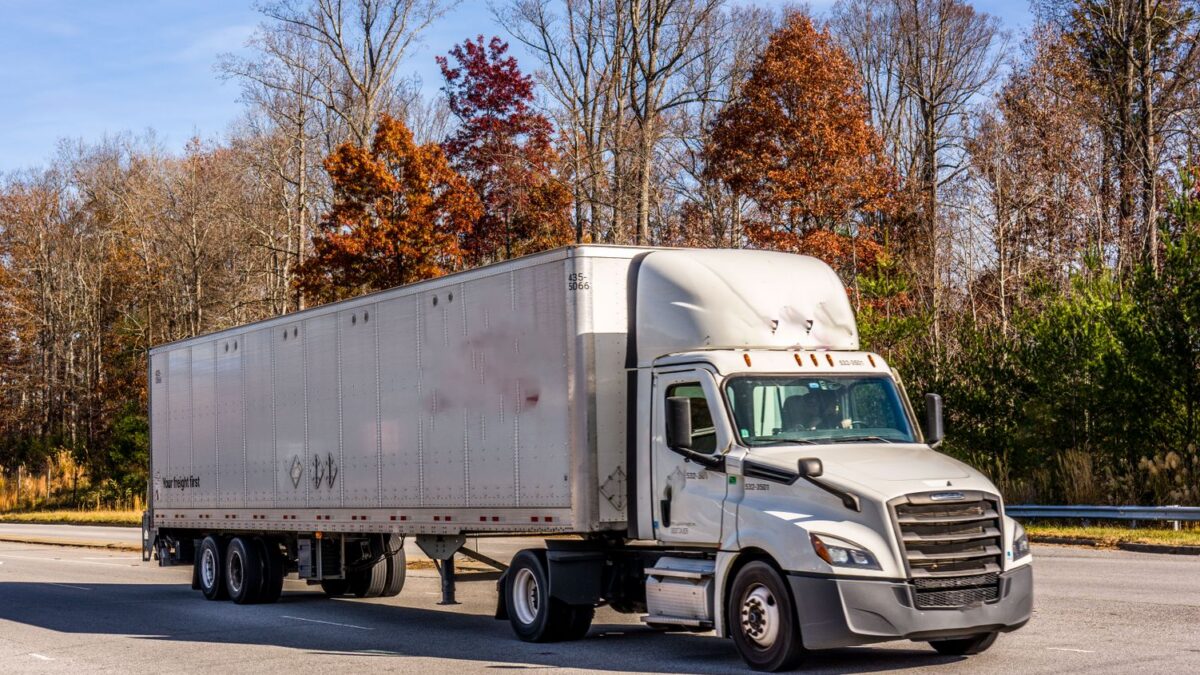
A trailer seal is a numbered, single-use lock that shows whether the doors were opened after loading. At pickup, the driver records the seal number on the bill of lading (BOL) and checks that it matches the seal on the doors. At delivery, the same number must be on the doors, intact. If the seal is broken, missing or carries a different number, the driver stops, documents it and calls dispatch before anyone opens the trailer.
A seal does not stop a thief. It proves what happened to the load, and that proof decides who pays when freight comes up short.
What types of trailer seals do drivers see?
Most dry vans and reefers carry one of three kinds: a plastic strip seal, a bolt seal or a cable seal. Plastic strip seals are cheap and mark the door, but they are easy to defeat. Bolt seals and cable seals are metal and need bolt cutters or a cable cutter to remove. High-security seals are built to the ISO 17712 standard, and many shippers of high-value freight require them. Each seal carries a unique number, often with a barcode and the maker’s or shipper’s name.
- Plastic strip seals: light-duty, used on low-value freight.
- Bolt seals: a metal pin and a locking barrel, common on dry vans and containers.
- Cable seals: a steel cable that locks into a body, used where a longer or adjustable loop is needed.
Who puts the seal on, and what does the driver write down?
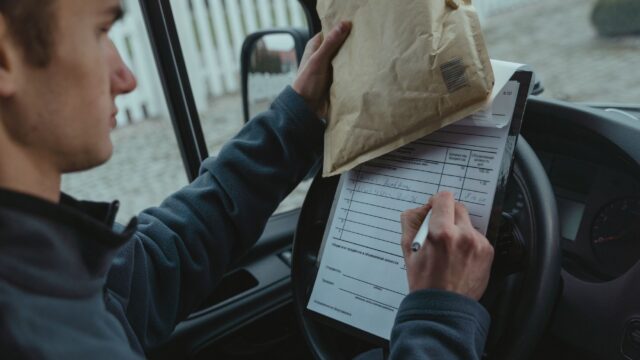
The shipper normally applies the seal after loading and writes the number on the BOL. On a “shipper load and count” load, the driver does not count the freight, so the seal number is the driver’s main protection. Before leaving the dock, the driver compares the number on the seal with the number on the paperwork, letter for letter and digit for digit, and reads it aloud to the shipper’s clerk if there is any doubt.
If the shipper hands the driver a seal to apply, the driver closes and locks the doors, attaches the seal, tugs it to confirm it is locked and writes the number on the BOL. A photo of the seal on the closed doors, with the trailer number visible, is a cheap second record. Read the number on the seal itself, not only on the paper strip or sticker that came with it.
What should you check on the road?
Look at the seal at every stop where you leave the trailer out of sight, such as a fuel stop or a rest area. A glance is enough: the seal is still on the hasp, the number is the same and nothing looks cut, twisted or glued. Write the check on the trip log if the carrier asks for it. A seal that looks different, or doors that look tampered with, should be photographed before you move.
Border crossings and port gates often have their own sealing rules, and customs officers can break and replace a seal for an inspection. When that happens, get the new seal number recorded on the paperwork and keep the receipt or notice the officer gives you. The U.S. Customs and Border Protection Customs Trade Partnership Against Terrorism (C-TPAT) program explains the seal and conveyance security practices that many importers and carriers follow.
What do you do at delivery?
At the receiver’s dock, show the BOL and let the receiver or the driver read the seal number against it before the seal is cut. If the numbers match and the seal is intact, the receiver cuts it, notes the number and opens the doors. Do not cut the seal yourself unless the receiver tells you to; some docks want a clerk to witness it.
Ask the clerk to write the seal number on the delivery receipt. Keep your signed copy. If the receiver finds shortages or damage after a clean seal, the paperwork shows that the seal was intact when you arrived.
What if the seal is broken, missing or has a different number?
Do not open the doors and do not unload. Take these steps in order:
- Photograph the seal, the doors, the hasp and the trailer number.
- Call dispatch, the broker or the shipper and say what you see. Pull over and use hands-free calling, as the federal cell phone rules for truck drivers require.
- Follow the carrier’s instructions on whether to continue to the receiver or hold at a safe location.
- At the dock, tell the receiver before the doors open and have the problem written on the BOL and the delivery receipt: “seal broken,” “seal missing” or “seal number does not match,” with both numbers.
- Let the receiver inspect and count the freight, and keep your signed copy of the notation.
A receiver may reject the load, accept it with exceptions or ask for a count before accepting. That decision belongs to the receiver and the shipper, not to the driver. Your job is a clear record: what you saw, when, where and who you told.
If you suspect theft, call the police where the trailer is parked and tell your carrier. Keep your hands off the doors and the seal so that the evidence stays as it was.
What mistakes cause the most trouble?
- Signing for a seal number you did not read.
- Accepting a seal that is already on the doors when the shipper says the load was just sealed.
- Cutting the seal at the dock without the receiver present.
- Putting a new seal on after a break and not writing both numbers on the paperwork.
- Throwing away the cut seal before the receiver has logged it.
An inspector at a roadside stop may also ask to see the BOL, and a mismatch between paperwork and trailer can lead to delays. The out-of-service orders guide for truck drivers explains what stops a truck at inspection. The Federal Motor Carrier Safety Administration publishes the federal rules for carriers and drivers.
Quick answers
Can a driver replace a broken seal?
Only with the carrier’s or shipper’s approval, and only if both seal numbers are written on the paperwork with the reason. A seal swapped without a record looks like tampering.
Who is responsible for a seal that was already broken at pickup?
Refuse to leave until the shipper reseals the load and notes it on the BOL. Pulling out with a seal you did not check puts the problem on your signature.
Does a seal prove the load is complete?
No. It proves the doors were not opened after sealing. On a shipper load and count, the shipper is the one who confirms what was loaded.
What if the seal number on the BOL has a typo?
Have the shipper correct and initial it before you leave. A mismatch you notice at delivery is much harder to explain.