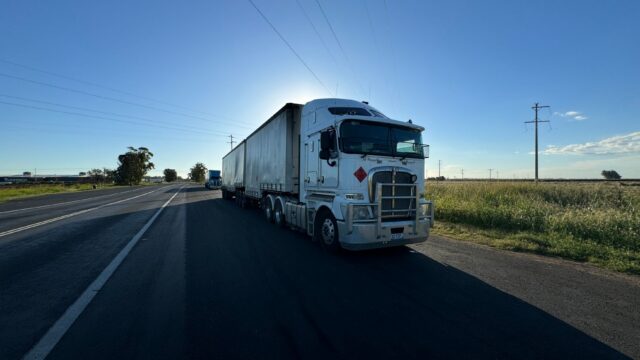
Trucking Terms Glossary: Deadhead, Bobtail, Drop and Hook Explained
Deadhead means driving empty, bobtail means a tractor with no trailer, and drop and hook skips the wait. Plain definitions of common trucking terms.
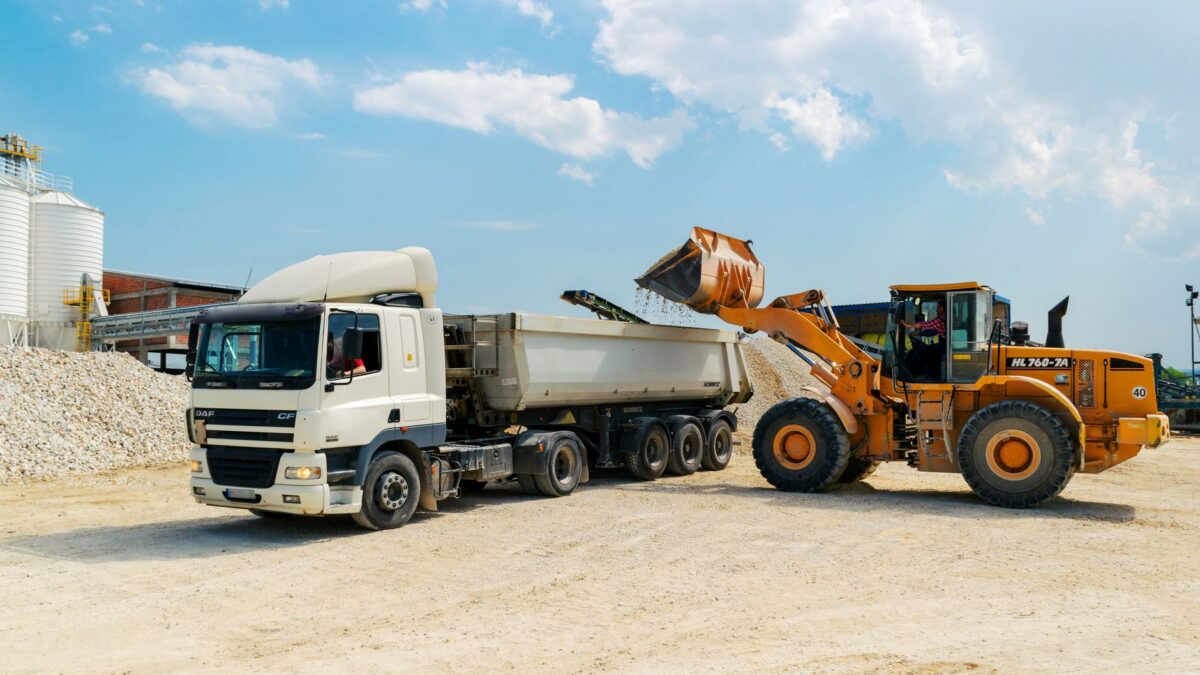
Deadhead is a truck driving without a load, usually to reach the next pickup. Bobtail is a tractor running with no trailer attached. Drop and hook is a delivery method where the driver leaves one trailer and takes another that is already waiting. The rest of the vocabulary below covers loading, billing and paperwork, and the terms matter because most of them decide who gets paid and when.
What does deadhead mean in trucking?
Deadhead means moving a truck and trailer, or a bare tractor, without freight on board. It happens when a driver delivers in one area and has to travel to another to find or pick up the next load. Those miles burn fuel and wear down the truck while earning nothing on the load itself.
Drivers and dispatchers track deadhead miles as the distance from the last delivery to the next pickup. Carriers often compare rates by looking at loaded miles and deadhead miles together, since a high rate with a long empty run can pay less than a lower rate with a short one. Some carriers pay drivers for deadhead miles and some do not, so the pay structure is worth asking about before accepting a lane.
What is a bobtail?
A bobtail is a semi tractor driving without its trailer. It is different from deadhead: a deadhead truck is empty, while a bobtail truck has no trailer at all. A driver is bobtailing when heading to a shop, to a drop yard to grab a trailer, or home after a run.
Insurance treats the two situations differently. Many commercial policies cover a truck only while it is hauling under a motor carrier’s authority, and bobtail coverage fills the gap when it is not. The breakdown of liability, cargo and bobtail insurance explains how that coverage works for owner-operators.
What is drop and hook?
Drop and hook means the driver drops a loaded or empty trailer at a facility and hooks to a different trailer that is ready to go. There is no waiting while someone loads or unloads, which saves time for the driver and keeps the truck moving.
The opposite is a live load or live unload, where the driver stays at the dock while the trailer is loaded or emptied. Live loads can take hours depending on the shipper. Drop and hook is common at large warehouses and distribution centers that keep a pool of trailers on the property, and many drivers prefer it for that reason.
What are live load and live unload?
A live load is a pickup where the driver waits with the truck while the shipper puts freight on the trailer. A live unload is the same process at delivery. The driver is on site, and the clock keeps running on the schedule.
Waiting is where detention enters the picture. Detention is a fee a shipper or receiver may owe the carrier when a truck is held beyond an agreed free time, often written in the rate confirmation. How to bill it, along with other add-on fees, is covered in the guide to accessorial charges and how to bill them.
What is a reefer?
A reefer is a refrigerated trailer with its own cooling unit, used to haul food, medicine and other freight that has to stay at a set temperature. The unit runs on its own fuel tank, so the driver checks fuel for the unit as well as the truck.
Reefer loads usually come with temperature instructions on the paperwork, such as a set point and whether the unit should run continuously or cycle on and off. Drivers are expected to keep the set temperature and may be asked for temperature records at delivery. Rates for these loads follow their own market, as in this report on reefer spot rates and the load-to-truck ratio.
What is a lumper?
A lumper is a person or company that unloads freight at a warehouse, usually for a fee. Some receivers require a lumper and will not let drivers unload their own trailers. The charge is often called a lumper fee.
Who pays depends on the agreement. In many cases the broker or shipper reimburses the carrier, but this should be set in writing before the load moves. Drivers who pay out of pocket should keep the receipt and ask the broker about reimbursement, since a missing receipt is a common reason payment is refused.
Which other terms do drivers hear all the time?
- Bill of lading (BOL): the document that lists what was loaded, who shipped it and who receives it. It works as a receipt and a contract. Notes written on it, such as shipper load and count, can matter in a damage claim, as explained in the article on shipper load and count on a bill of lading.
- Layover: a payment to the driver when a load forces an overnight stay, such as when a delivery appointment is the next day.
- TONU (truck ordered not used): a fee paid to the carrier when a load is cancelled after the truck is already on the way or on site.
- Rate confirmation: the agreement between broker and carrier that sets the rate, pickup, delivery and extra fees.
- Lane: a regular route between two areas, such as Dallas to Atlanta.
Quick answers
Is deadhead the same as bobtail?
No. Deadhead is running without freight, which can include a trailer attached. Bobtail is running without a trailer.
Does waiting at a dock count as work time?
Under federal hours-of-service rules, time spent waiting can count as on-duty time when the driver is not relieved of responsibility for the truck or load. Drivers who want the exact rules can check the Federal Motor Carrier Safety Administration site for the current hours-of-service guidance.
Who pays for a lumper?
It depends on the contract between shipper, broker and carrier. The best time to settle it is before pickup, with the answer written into the rate confirmation.