OTR vs Regional vs Local Trucking Jobs: Home Time, Miles and Pay
The job type decides how often you sleep at home, how you are paid and which hours-of-service rules apply. Here is how the four main kinds of trucking work differ.
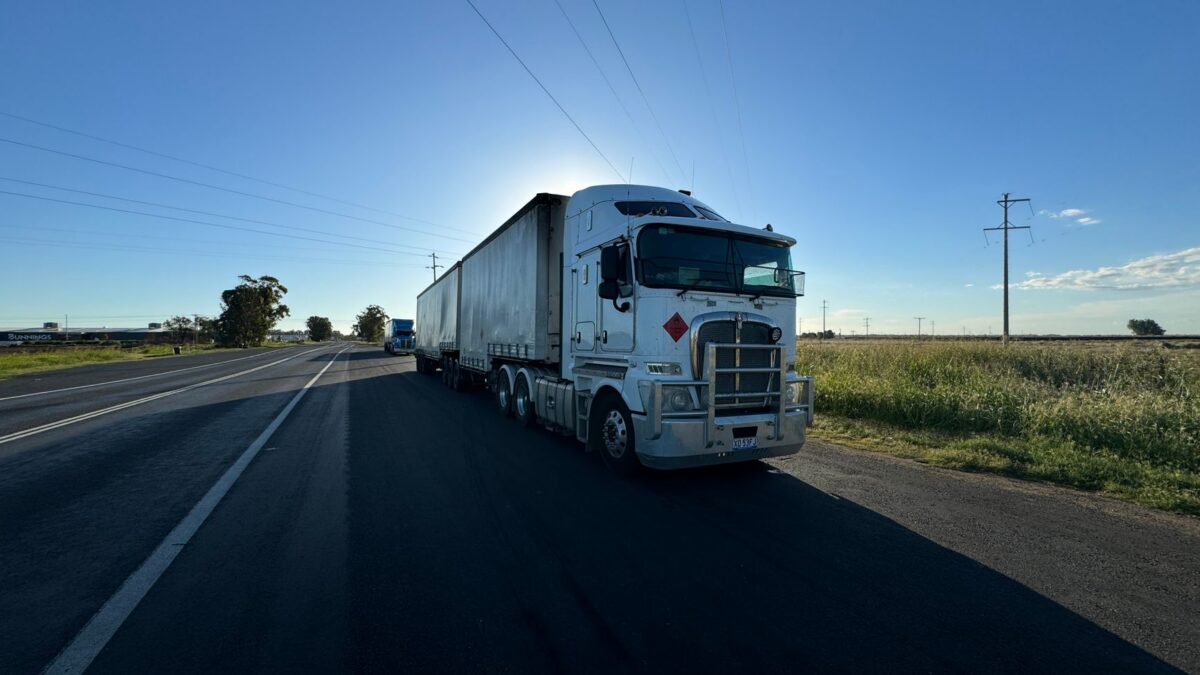
Over-the-road (OTR) truck drivers haul freight across many states and usually stay out one to several weeks at a time. Regional drivers stay within neighboring states and are typically home weekly. Local drivers get home every day, often paid hourly. Dedicated drivers run fixed routes for one customer, with home time set by that account.
How do OTR, regional, dedicated and local jobs differ?
The main differences are distance, home time and how pay is figured. Carriers define these terms in their own job ads, so check the posting for actual home time and lanes. Typical patterns:
| Job type | Typical area | Typical home time | Common pay basis | Common equipment |
|---|---|---|---|---|
| OTR (long haul) | 48 states or large multi-region lanes | Out 1 to 4 weeks, then several days off | Per mile | Sleeper tractor, dry van or reefer |
| Regional | A group of neighboring states | Weekly or weekends, sometimes midweek resets | Per mile or per load | Sleeper tractor |
| Dedicated | Set lanes for one shipper or retailer | Daily or weekly, set by the account | Per mile, per stop, weekly salary or hourly | Day cab or sleeper |
| Local | A metro area or within about a day’s round trip | Daily | Hourly or per load | Day cab, straight truck, tanker, flatbed |
OTR generally gives the most miles because the truck keeps moving across long lanes. Local work has fewer miles but more hours spent loading, unloading, backing and waiting at docks, which is why it is often paid hourly.
How much do truck drivers earn in each type of job?
The Bureau of Labor Statistics does not split pay by OTR, regional or local. Its Occupational Outlook Handbook reports a median annual wage of $58,640 ($28.19 an hour) for heavy and tractor-trailer truck drivers in May 2025. By industry, the May 2025 medians were:
- truck transportation (for-hire carriers): $60,320;
- wholesale trade: $58,550;
- manufacturing: $56,570;
- construction: $56,080.
BLS counted about 2,221,200 heavy and tractor-trailer driver jobs in 2025. Pay for a given job depends on cents per mile, miles actually run, stop pay, detention and accessorials, which differ by carrier and freight. How each pay method works is covered in how truck drivers get paid.
Which hours-of-service rules apply to local drivers?
All property-carrying CDL drivers follow the same hours-of-service limits: 11 hours of driving within a 14-hour window after 10 hours off, and the 60-hour/7-day or 70-hour/8-day limit. Local drivers often qualify for the short-haul exception in 49 CFR 395.1(e)(1), which changes the paperwork, not the daily limits.
A driver qualifies for the short-haul exception when all of these are true:
- the driver stays within a 150 air-mile radius (172.6 statute miles) of the normal work reporting location;
- the driver returns to that location and is released within 14 consecutive hours;
- the driver has at least 10 consecutive hours off between each 14-hour shift;
- the carrier keeps time records for 6 months showing start time, end time and total hours each day.
Drivers using the exception do not need a logbook or electronic logging device for those days, and the 30-minute break after 8 hours of driving does not apply to them. OTR and most regional drivers keep ELD logs and plan their day around the 14-hour clock and finding overnight truck parking.
Who hires new CDL graduates?
Large OTR and regional truckload carriers hire the most drivers straight out of school, often through company training programs with a period of team driving alongside a trainer. Many local, tanker and hazmat jobs ask for 1 to 2 years of experience because of the backing, tight docks and endorsements involved, and insurers often set those minimums for the carrier.
Age matters too. Under 49 CFR 391.11, a driver must be at least 21 to drive a commercial vehicle in interstate commerce, so drivers aged 18 to 20 are limited to intrastate jobs in states that allow them, apart from federal pilot programs. See driving interstate under 21.
What should you ask a recruiter before choosing?
- How many nights out per week or month, and how home time is scheduled.
- Average weekly miles for drivers on that account over the last few months, not the best week.
- Pay per mile or per hour, and whether paid miles are practical route miles or shorter routing miles.
- Detention, layover, breakdown and stop pay, and when each starts.
- Whether the job is touch freight, drop and hook or live unload.
- Equipment age, whether trucks are assigned, and whether pets or riders are allowed.
- For local jobs, guaranteed hours and overtime policy. Many interstate drivers are exempt from federal overtime.
Bottom line
New drivers usually start OTR or regional because that is where the hiring is, then move to local or dedicated work once they have a year or two of clean experience. The trade is time at home against miles. Ask for average miles and home time for the specific account in writing, since job titles alone do not tell you either.
FAQ
Do local truck drivers need an ELD?
Not if they qualify for the 150 air-mile short-haul exception every day they work. On days they go beyond the radius or the 14-hour limit, they must keep a log, and an ELD is required if that happens on more than 8 days in any 30-day period.
Is regional trucking home every night?
Usually not. Regional jobs are commonly home weekly or on weekends. Daily home time is typical of local and some dedicated jobs.
Which trucking job pays the most?
BLS does not publish pay by OTR, regional or local. Pay depends on the carrier, freight type, miles and endorsements, so compare actual weekly averages for each job you are offered.
Can I get a local job with no experience?
Some local carriers hire new drivers, especially for straight trucks and yard work, but many require 1 to 2 years of experience. Company training programs mostly place new drivers in OTR or regional work.