How to Transfer a CDL to Another State: 30-Day Rule and Documents
Moving does not cancel your CDL, but federal rules give you 30 days to switch it. The documents the new state will ask for, what it checks, and how to keep your endorsements.
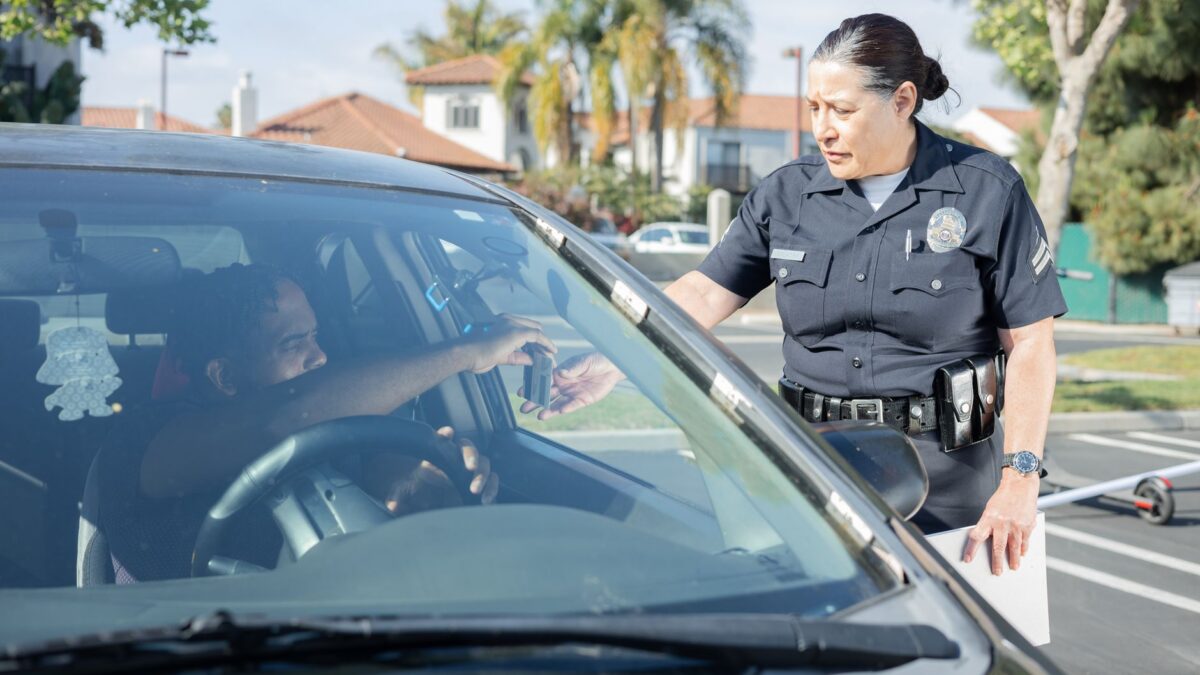
A CDL holder who moves must apply for a CDL in the new state of domicile within 30 days of establishing the new domicile, under 49 CFR 383.71(c). The driver surrenders the old CDL, proves domicile and lawful status, makes the medical self-certification and lists every state licensed in during the past 10 years. Federal rules do not require retesting for a transfer, though states may.
How long do you have to transfer a CDL after moving?
You have no more than 30 days after establishing your new domicile to apply for a CDL in the new state. Domicile means your true, fixed and permanent home, the place you intend to return to. Renting a short-term room near a terminal does not by itself make a new domicile.
The 30-day rule comes from federal CDL standards, so it applies in every state. Several states also have their own deadline for ordinary driver’s licenses. Driving with an out-of-state CDL after you have moved can lead to a ticket and problems at a roadside inspection, because a driver may hold a license from only one state.
What documents do you need to transfer a CDL?
Under 383.71(c), the transfer applicant must give the new state:
- The old CDL, which you surrender to the new state.
- Proof of domicile, a document with your name and residential address in the new state. The rule gives a government-issued tax form as an example; states list others such as a lease, mortgage statement or utility bill.
- Proof of citizenship or lawful permanent residency, such as a U.S. passport or certified birth certificate, if the state has not already recorded this check. Drivers with non-domiciled CDLs follow separate rules; see our explainer on the non-domiciled CDL rule.
- Your medical self-certification: non-excepted interstate, excepted interstate, non-excepted intrastate or excepted intrastate. Non-excepted interstate drivers must have a current medical examiner’s certificate on record.
- A disqualification certification that you are not disqualified and do not hold a license from more than one state.
- The names of all states where you held any kind of driver’s license in the previous 10 years.
The state will also ask for your Social Security number for verification if that was not done before. Many states require an in-person visit for a CDL transfer, and a REAL ID-compliant license requires the identity documents set by the Department of Homeland Security. Check your new state’s DMV checklist before the visit. The federal text is on the eCFR page for 49 CFR 383.71.
Do you have to retake the CDL tests when you transfer?
Federal rules do not require a new knowledge or skills test for a straight transfer. The state’s duties in 49 CFR 383.73(c) are paperwork and record checks, not testing. States may add their own requirements, and some ask transferring drivers to take a vision test or certain knowledge tests.
The hazmat endorsement has a federal testing rule. To keep it, the driver must have passed the hazmat knowledge test, or completed hazmat training or a test the state accepts as covering the same material, within the 2 years before the transfer. A driver whose last hazmat test is older than that should expect to retest.
How does the hazmat endorsement transfer?
The hazmat endorsement (H, or X with tanker) moves with the CDL if two things line up: the 2-year knowledge test rule above, and a valid TSA security threat assessment. Under 49 CFR 1572.13(e), the new state does not require a new security threat assessment until the renewal period set by the old state expires, and that period cannot exceed five years.
In practice, the new state usually issues the endorsement with an expiration date that matches your existing TSA approval. When that date nears, you go through the TSA enrollment and background check again. The rule text is on the eCFR page for 49 CFR 1572.13.
What does the new state check before issuing the CDL?
Before issuing a transferred CDL, the new state must check your driving history through several systems:
| Check | What it looks for |
|---|---|
| Current state of licensure | Your full driving record in the state you are leaving |
| CDLIS (Commercial Driver’s License Information System) | Whether you already hold a CDL elsewhere, and any CMV disqualification |
| PDPS (Problem Driver Pointer System) | Suspensions and certain convictions on non-commercial licenses |
| Previous states (past 10 years) | Complete driving records from each state where you were licensed |
| CDLIS medical status | That a non-excepted interstate driver’s medical certification shows as certified |
A disqualification in any state follows you. If the old state has an open suspension or a pending disqualification, the new state will not issue a clean CDL. Our guide to CDL disqualification offenses lists the periods for each offense.
What happens to your medical card when you move?
Your medical examiner’s certificate stays valid until its expiration date; a move does not restart it. What matters is that the new state’s record shows you as medically certified if you self-certify as non-excepted interstate. FMCSA has been moving states to electronic transmission of exam results from the National Registry, so bring a paper copy of your current certificate in case the new state cannot see it yet. Exam rules and certificate lengths are in our guide to the DOT physical and medical card.
Bottom line
The hardest part of a CDL transfer is usually not the test, it is timing: the 30-day clock, a hazmat test older than 2 years, or a medical certificate the new state cannot see. Drivers who check their CDLIS medical status and TSA expiration date before the DMV visit avoid most second trips.
FAQ
Can I keep my old state’s CDL if I still own a house there?
Only if that house is still your domicile, your permanent home. You may hold a license from one state only, and once you establish domicile in a new state, you have 30 days to transfer.
Will my endorsements carry over?
Endorsements such as T, N, P and S generally carry over with the CDL. The hazmat endorsement carries over only if you meet the 2-year test rule and your TSA threat assessment is still valid.
Does my CDL expiration date change after a transfer?
Usually yes. The new state issues its own CDL with its own validity period, which may differ from the old one. A hazmat endorsement may carry an earlier date tied to your TSA approval.
What if I live on the road and have no fixed home?
States handle drivers without a fixed residence differently, and some accept a family member’s address or a mail service address only under strict conditions. Ask the licensing agency in the state you consider home what it accepts as proof of domicile.