Reefer Spot Rates Hit $2.77 a Mile as Load-to-Truck Ratio Jumps
Reefer spot rates averaged $2.77 per mile last week, up 34.0% from a year ago, as the load-to-truck ratio rose to 19.01, DAT reports.
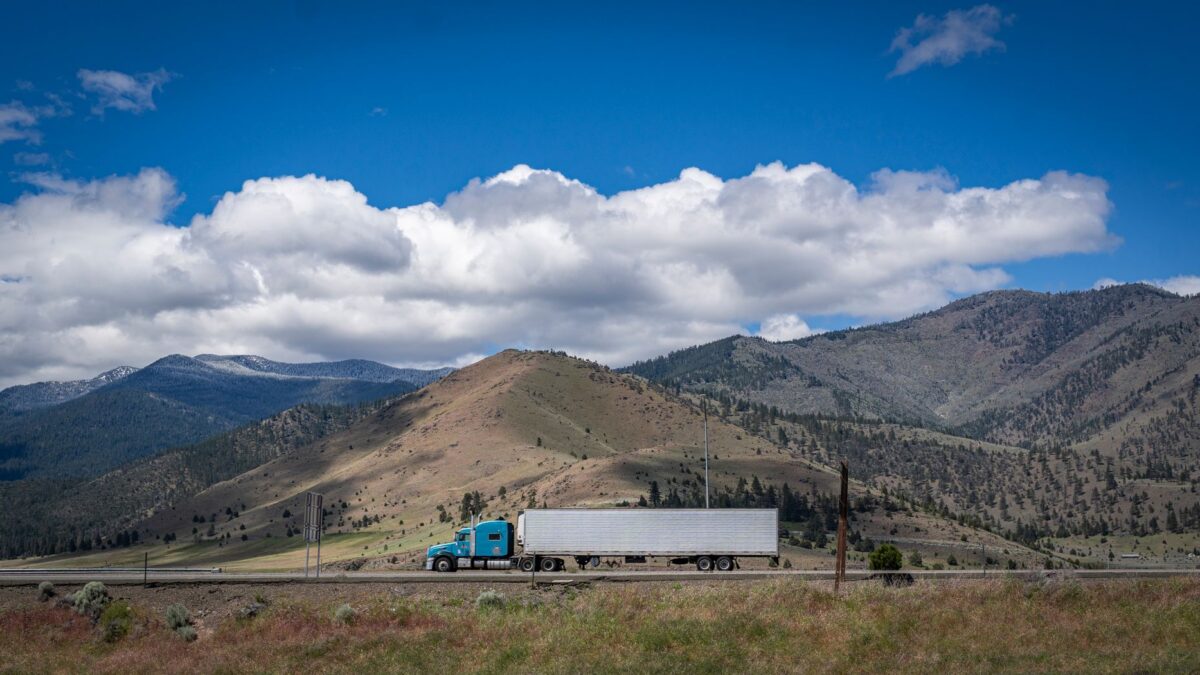
Reefer spot linehaul rates averaged $2.77 per mile last week, up 3.3%, or $0.09 per mile, from the week before, according to DAT Freight & Analytics. The rate excludes fuel and is 34.0% higher than a year ago.
The load-to-truck ratio for refrigerated freight rose to 19.01 from 15.73 as holiday food freight began to move. Load posts climbed while the number of trucks posted fell, which is the tightening that carriers see in spot pricing.
The central numbers
- $2.77 per mile: the weekly reefer spot linehaul average. That is $0.70 per mile above a year ago and $0.60 per mile, or 28.1%, above the nine-year seasonal average of $2.17 per mile.
- 19.01: the reefer load-to-truck ratio, up from 15.73. Load posts rose 15.7% and truck posts fell 4.2%. A year ago the ratio was 11.84 in the same week.
- $3.59 per mile: the average across the reefer bellwether states, up $0.02 week over week and $0.90 per mile, or 33.3%, from a year ago. Those ten states hold 41.1% of national reefer outbound volume.
- $0.02 per mile: the October gap between contract ($2.71) and spot ($2.69) reefer rates. It was $0.29 per mile in October 2025.
- $2.76 per mile: the DAT forecast for reefer spot linehaul 35 days out, with a low of $2.66 and a high of $2.85.
Where rates moved
Among the top ten reefer origin regions for the week ending Nov. 6, the Upper Midwest paid the most at $3.56 per mile, followed by the Great Lakes at $3.30 and the Pacific Northwest at $3.21. The Pacific Northwest and California each gained $0.15 per mile, to $3.21 and $2.91. The Lower Mountain region rose $0.13 and the Upper Midwest $0.12.
The Upper Atlantic gave back the most, down $0.08 per mile to $2.61. South Central was flat at $2.14, the lowest of the ten. Year over year, the Pacific Northwest showed the biggest increase at $0.92 per mile, just ahead of the Upper Midwest at $0.91. The ten regions together accounted for 84.2% of outbound reefer loads last week.
Spot and contract nearly level
Contract rates still sit above spot for reefer, but barely. Contract averaged $2.71 per mile in October, up $0.05, or 1.9%, from September and the highest of the year. Spot slipped $0.01, or 0.4%. Spot paid more than contract in May, June, July and September, with June the widest at $0.16 per mile over. DAT said the spread has flipped sign four times since April.
Over 12 months, spot is up $0.64 per mile, or 31.2%, while contract is up $0.37, or 15.8%. DAT noted that these month-end October figures differ from the weekly averages.
What it means for reefer carriers and shippers
Carriers hauling refrigerated freight are being paid well above seasonal norms, and the shrinking gap between spot and contract means contract pricing is close to what the spot market pays. Shippers moving perishables are competing for fewer posted trucks per load than a year ago.
DAT said Christmas tree season, already under way out of Oregon, lifts reefer demand into late November. Thanksgiving food demand, from turkeys and dairy to produce, usually pulls loads forward into the week before the holiday.
What to watch next
The DAT Rate Forecast projects reefer spot linehaul easing slightly to $2.76 per mile 35 days out. The $0.19 per mile gap between the forecast low and high is the widest of the three equipment types DAT tracks. A year ago the market was near $2.19 per mile.
Source: DAT Freight & Analytics