How to Start a Car Hauling Business: Trailers, Authority and Loads
Starting a car hauling business takes a USDOT number, MC authority, auto hauler insurance and the right trailer. See costs, steps and how loads are found.
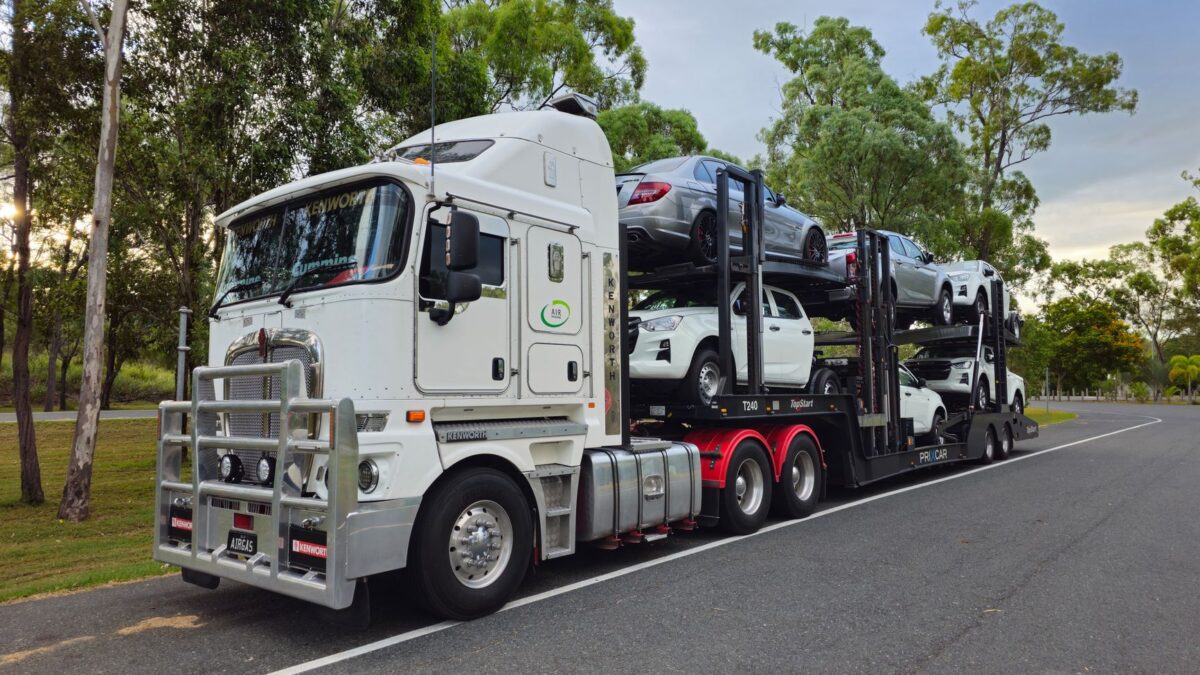
To start a car hauling business in the US, you need a truck and car trailer, a USDOT number, operating authority (an MC number) from FMCSA if you haul vehicles for hire across state lines, a BOC-3 process agent filing, Unified Carrier Registration, and liability plus cargo insurance written for auto haulers. Most new car haulers start small, with a pickup and a two or three car wedge trailer, and find loads on vehicle-specific load boards, through dealers and auctions, or by leasing onto an established carrier. Expect several weeks between applying for authority and hauling your first paid load.
Which trailer should a new car hauler buy?
The right trailer depends on how many cars you want to move per trip, which truck you already have, and whether you hold a Class A CDL. The common options:
- Open single-car or two-car trailers pulled by a heavy-duty pickup. Lowest cost to start, suited to local dealer moves and short runs.
- Wedge trailers (gooseneck or bumper pull) that carry two to four cars, usually behind a one-ton dually pickup. This is the usual “hotshot” car hauling setup.
- Stinger or high-mount open carriers pulled by a semi tractor that carry seven to ten cars. Highest revenue per mile and highest purchase price, and they need a Class A CDL.
- Enclosed trailers, single or multi-car, for exotic, classic and high-value vehicles. Rates are higher, but so are equipment and insurance costs.
Check the trailer’s rated capacity against the actual weight of the vehicles you plan to carry. Several pickups or SUVs on a wedge trailer can push the combination over its rating faster than a load of sedans. For a broader look at how car carriers fit among other equipment, see our guide to trailer types from dry van to flatbed.
Do you need a CDL to haul cars?
You need a Class A CDL when the truck and trailer together have a gross combination weight rating of 26,001 pounds (11,794 kg) or more and the trailer is rated over 10,000 pounds (4,536 kg). Many hotshot car haulers keep the combination under 26,001 pounds GCWR so they can run without a CDL, which limits how many cars they can carry. Even below the CDL line, a commercial vehicle over 10,001 pounds (4,536 kg) in interstate commerce still requires a DOT medical card, a USDOT number, vehicle markings, annual inspections and hours of service compliance. Electronic logging devices apply to most interstate drivers who must keep logs, with exceptions such as short-haul operations.
What authority and registrations does a car hauling business need?
A for-hire car hauler crossing state lines registers with the Federal Motor Carrier Safety Administration. The usual sequence:
- Form a business entity (many owner-operators use an LLC) and get an EIN from the IRS.
- Apply through the FMCSA Unified Registration System for a USDOT number and motor carrier operating authority. Choose for-hire property carrier authority.
- File a BOC-3, which names process agents in each state. Most carriers pay a blanket process agent company to file it.
- Have your insurer file proof of liability coverage with FMCSA. Authority is not activated until this filing is on record.
- Register and pay for Unified Carrier Registration each year.
- Set up IRP apportioned plates and an IFTA fuel tax account through your home state if the truck qualifies (generally over 26,000 pounds or three or more axles in interstate use).
- If you will employ CDL drivers, or drive under a CDL yourself, enroll in a drug and alcohol testing program and register in the FMCSA Drug and Alcohol Clearinghouse.
After authority is granted, the business enters FMCSA’s new entrant program and should expect a safety audit within its first 12 months of operation. Keep driver qualification files, maintenance records, logs and insurance documents organized from day one. The steps are close to those for other small operations; our article on box truck business requirements covers the same registrations from a different angle.
What insurance does a car hauler need?
Federal rules require at least $750,000 in auto liability for most for-hire carriers of general property, but brokers, dealers and auctions commonly ask car haulers for $1 million. The main policies:
- Primary auto liability, covering injury and damage you cause to others on the road.
- Cargo coverage written for vehicles, sized to the total value you carry at one time. A load of new trucks or one exotic car can exceed a basic cargo limit.
- Physical damage on your own truck and trailer, usually required if either is financed.
- Non-trucking or bobtail liability, if you are leased onto another carrier.
- General liability, often requested by dealerships and auction yards.
Read the cargo policy for exclusions before you sign. Some policies exclude certain vehicle values, unattended vehicles, theft from unlocked units or damage during loading and unloading. New authorities usually pay much higher premiums than established carriers, so get quotes from agents who write auto haulers before you buy equipment. Our explainer on liability, cargo and bobtail coverage describes each policy in more detail.
How do car haulers find loads?
New car haulers find loads through a mix of load boards, direct customers and established carriers:
- Vehicle transport load boards such as Central Dispatch and Super Dispatch, where brokers and dealers post individual cars with pickup and delivery points and a posted price.
- Auto transport brokers, who arrange moves for private customers and dealers and pay the carrier after delivery.
- Direct work from used car dealers, rental fleets, repair and body shops, and wholesale auctions, which tends to pay faster and repeat once you prove reliable.
- Leasing onto an established car hauling carrier under its authority, which gives steady freight while you learn the business, in exchange for a percentage of revenue.
Plan routes so you are not running empty: book the outbound cars, then look for loads near the delivery point before you leave. Vet every broker through FMCSA’s records and confirm the pickup details by phone, since fraud schemes target vehicle loads as they do other freight.
What does each pickup and delivery require?
Each vehicle needs a Bill of Lading with a condition report at pickup. Walk around the car, mark existing scratches and dents on the inspection diagram, take dated photos from every side, and have the shipper sign. Repeat at delivery and get the receiver’s signature before you leave. These records decide most damage claims. Secure each vehicle with straps or chains rated for the job, at the points the trailer and vehicle maker recommend, and recheck tie-downs after the first few miles and at every stop.
What are the most common mistakes new car haulers make?
- Buying a truck and trailer before getting insurance quotes, then finding premiums the business cannot carry.
- Running overweight or above the trailer’s rating with heavy pickups and SUVs.
- Skipping condition photos and signatures, which leaves the carrier paying for damage it did not cause.
- Taking cheap long loads that leave the truck far from any return freight.
- Letting UCR, IFTA filings or the biennial USDOT update lapse, which can lead to fines or a deactivated number.
Quick answers
Can you haul cars with a pickup truck?
Yes. A heavy-duty pickup pulling a two to four car wedge trailer is the most common way to start. For-hire interstate work still requires a USDOT number, MC authority and insurance, and a CDL if the combination is rated at 26,001 pounds or more.
Can you haul cars under someone else’s authority?
Yes. Leasing onto an existing carrier lets you haul under its USDOT and MC numbers and often its liability insurance. Related setups, including hauling a carrier’s trailer with your own truck, are covered in our guide to power only trucking authority and insurance.
Do you need authority to move cars within one state?
Interstate for-hire hauling needs FMCSA authority. Purely intrastate work follows your state’s rules, and many states require their own registration or a USDOT number for commercial vehicles, so check with your state transportation or motor carrier agency.