Reverse Logistics After the Holidays: How Returns Move by Truck
Holiday returns move by truck from stores and return centers to vendors and liquidators. See how reverse freight works and what it means for drivers.
Reverse logistics is the movement of goods from the customer back toward the seller, and after the holidays it turns into a steady stream of truck freight: returned items go from stores and parcel hubs to return centers, then on to vendors, refurbishers, liquidators or recyclers. January matters because gift returns, exchanges and unsold seasonal stock all start moving in the same few weeks, and carriers that plan for it can fill trucks that would otherwise run light.
How do retail returns move by truck?
Returns rarely travel as one trip. A returned item usually goes through several legs, and each leg buys a different kind of truck capacity.
- Store to consolidation point: boxes and pallets leave a store or a parcel carrier’s facility and move on short regional runs to a returns center.
- Returns center to destination: after sorting, the goods are split by what happens to them next. Sellable items go back to a distribution center, defective goods go to the manufacturer, and the rest go to resale, donation or disposal.
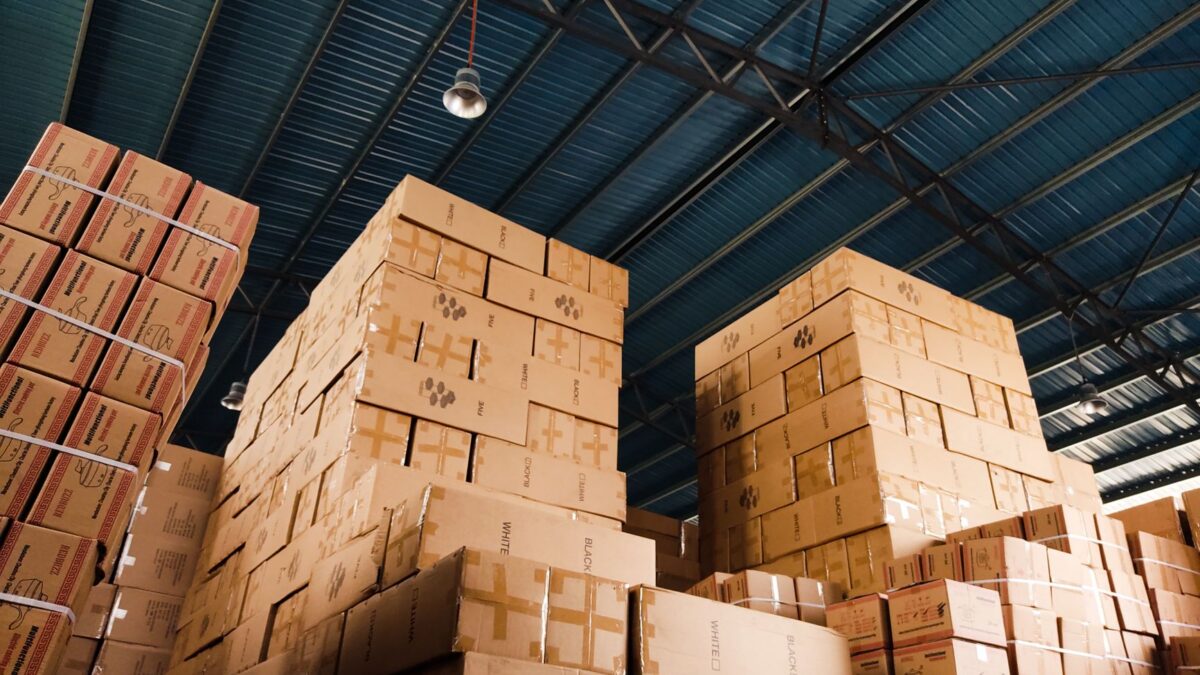
- Bulk moves: full truckload shipments of mixed returns, often on pallets or in cartons stacked floor to ceiling, travel between the returns center and a liquidation or refurbishing site.
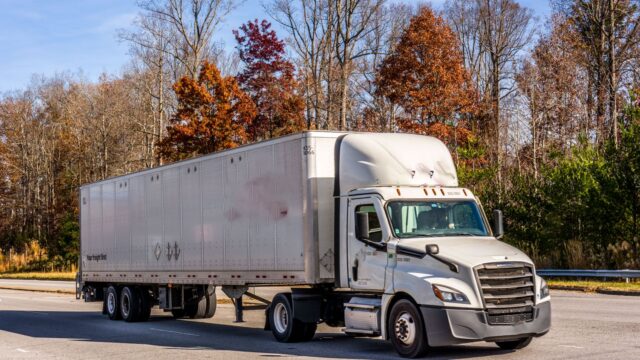
Most of this freight rides in dry vans. Some goes in reefers (food and certain health products have their own rules), and bulky returns such as furniture and appliances can need straight trucks or flatbeds. Anything that needs fast handling can fall under the kind of work described in the guide to expedited freight with vans and straight trucks.
Why does January return freight matter?
January return freight matters because it fills a gap in the calendar. Outbound retail freight is heavy through the fall and drops once stores are stocked. Returns arrive just as that demand fades, so they give carriers loads to haul in a month that can otherwise be slow.
It also matters to shippers. Every returned item sitting in a store or a trailer is inventory that cannot be resold, and its value tends to fall the longer it waits. Retailers therefore have a reason to move returns promptly, which keeps spot and contract loads available from return centers.
The return stream has a second source besides customers: retailers send back unsold holiday stock to vendors or to liquidators. That freight is planned by purchasing and logistics teams, so it often arrives as scheduled truckloads instead of surprise tenders.
What makes returns freight different from regular freight?
Returned goods are mixed, loosely packed and less predictable. A pallet of new stock is uniform and wrapped; a pallet of returns can hold many products, damaged cartons and partial boxes. A few practical differences follow from that.
- Loads can be lighter by weight than their cube suggests, because returned products are bulky and often packed with air.
- Pickup and delivery windows can be tight at return centers and liquidators that run on volume surges.
- Damage claims are more likely to start with a dispute about the condition of freight at pickup, so a clean bill of lading and clear notes on the paperwork carry more weight.
- Counts matter. Drivers who are allowed to see the load should check pallet or piece counts and record any shortage or visible damage before leaving.
Whether a driver loads and counts, or the shipper does, is set by the shipper and the contract. Read the rate confirmation for the terms before accepting a load that involves unloading by hand.
How do rates behave when returns peak?
Rates follow the balance between trucks and loads on a lane, and return flows change that balance in specific places. Lanes out of major return centers, usually near big population regions and warehouse clusters, see more loads in January. Lanes into those areas can be thin, since the freight moving there is lighter at the start of the year.
That makes backhaul planning useful. A carrier that delivers to a retail distribution center can often pick up returns heading back, which turns a deadhead leg into a paid one. When you compare offers, count empty miles, not only the posted rate per mile, and keep fuel in the math: the October report on diesel and truck freight prices shows how a change in fuel can move the margin on a load.
What should drivers and small carriers do before January?
Prepare the same way you would for any seasonal surge, with extra attention to hours, weather and paperwork.
- Check your hours. Return centers can run late, and waiting at a dock counts against the clock unless you are off duty. The FMCSA explains the limits on its hours of service page.
- Ask about detention before you accept the load. Get the free time and the detention rate in writing.
- Confirm what freight is on the trailer. Mixed returns can include batteries, aerosols or other items with hazmat rules, so ask the shipper whether anything on the load is regulated.
- Pack for winter. Many return lanes run through cold regions in January, so carry what you need in the cab; the winter emergency kit list covers it.
- Keep records. Photograph the load condition at pickup and delivery, and keep copies of the bill of lading, counts and delay notes.
Quick answers
What is reverse logistics in trucking?
It is the freight that moves goods backward through the supply chain: customer returns, recalled items, damaged stock and unsold inventory going to vendors, resellers or recycling.
Which trailers haul most returns?
Dry vans haul most of them. Refrigerated trailers, flatbeds and straight trucks are used when the product or its size requires them.
Is returns freight better paid than outbound freight?
Not by default. Pay depends on the lane, the shipper and timing. Returns can help by supplying backhauls and loads when outbound freight slows, but a low rate with long waiting time can wipe out the benefit.
Who pays for return freight?
That depends on the retailer’s policy and its contracts with carriers. For a driver, the party that pays is the one named on the rate confirmation.