Winter Emergency Kit for Truck Drivers: What to Carry in the Cab
A winter emergency kit for truck drivers covers warmth, water, food, power and traction for 2-3 days. See the full checklist, CO safety and chain rules.
A winter emergency kit for truck drivers should keep one person warm, fed, hydrated and reachable in the cab for at least 48 to 72 hours, because interstate closures and pileups can strand trucks for a day or more. The core items are a cold-rated sleeping bag and layered clothing, about 1 gallon (3.8 L) of water and three days of food, a power bank and flashlight, traction gear, and a battery-powered carbon monoxide alarm. Federal rules already require three reflective warning triangles and a charged fire extinguisher on every truck, so check those first.
What should a trucker’s winter emergency kit include?
The kit should cover warmth, water and food, light and communication, traction and recovery, and first aid. A practical checklist:
- Sleeping bag rated well below the coldest temperature on your lanes, plus a wool blanket
- Spare base layers, wool socks, insulated gloves (two pairs), a warm hat, a neck gaiter and insulated waterproof boots
- Hand and foot warmers (air-activated)
- Water: at least 1 gallon (3.8 L) per day for the number of days you might be stuck, in containers that can freeze without splitting
- Food that needs no cooking: nuts, peanut butter, jerky, granola bars, crackers, canned food with pull-tab lids
- Headlamp, flashlight and spare batteries
- Power bank and charging cables for your phone and ELD tablet
- Battery-powered carbon monoxide alarm
- First aid kit and a few days of any prescription medicine you take
- Reflective safety vest, ice scraper, snow brush and a short shovel
- Bag of sand, kitty litter or traction mats
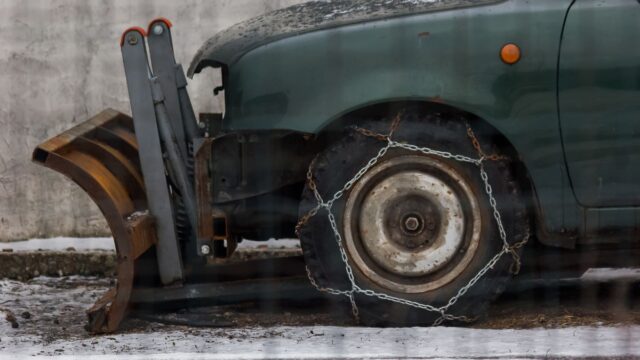
- Tire chains that fit your drive tires, plus chain hooks or bungees and heavy gloves
- Spare fuel filter, a bottle of anti-gel additive, and washer fluid rated for subzero temperatures
- Paper road atlas, notebook and pen, toilet paper, wet wipes and trash bags
The Ready.gov winter weather page from FEMA uses the same basic list for any vehicle; a truck adds chains, fuel treatment and DOT equipment.
What safety equipment does FMCSA already require?
Every commercial motor vehicle must carry three bidirectional reflective warning triangles and a properly rated, charged fire extinguisher, under the Federal Motor Carrier Safety Regulations (49 CFR Part 393). When a truck stops on the shoulder or travel lane, the driver must set out the triangles within 10 minutes. Snow makes this harder, because a stopped truck in blowing snow is hard to see, so pack the triangles where you can reach them without unloading the sleeper. A missing or empty extinguisher is a common inspection violation, and some equipment defects found at roadside can lead to an out-of-service order and the steps to clear it. The rules themselves are on the FMCSA website.
How do you stay warm if you are stuck for hours?
Run the engine or an APU in intervals if fuel allows, and rely on layers and the sleeping bag between runs. Dress in layers that you can open before you sweat, because damp clothing loses heat quickly. Close the sleeper curtain to heat a smaller space. Eat and drink regularly: the body uses food to make heat, and dehydration makes cold harder to tolerate. If you have a diesel-fired bunk heater, it uses far less fuel than idling, but it needs a clear exhaust and intake too.
Watch for signs of hypothermia (uncontrolled shivering, confusion, slurred speech, drowsiness) and frostbite (numb, white or grayish skin on fingers, toes, ears or nose). Call 911 if you or anyone near you shows them.
How do you avoid carbon monoxide poisoning while idling in snow?
Keep the exhaust pipe and the area around the truck clear of snow, and never sit in an idling truck with drifted snow blocking the exhaust. Carbon monoxide has no smell or color, and snow packed around the tractor can push exhaust into the cab. Check the exhaust each time you start the engine during a storm, crack a window slightly, and keep a battery-powered CO alarm in the sleeper. Headache, dizziness, nausea and sleepiness are early symptoms; if the alarm sounds or you feel them, shut the engine off, get fresh air and call for help. The CDC has more on symptoms and prevention.
What fuel and truck preparation matters most in winter?
Keep the tank at least half full in winter, treat fuel against gelling, and carry a spare fuel filter. A road closure can leave you idling for many hours, and a fuller tank also reduces condensation. Untreated No. 2 diesel can cloud and gel in hard cold, which plugs the filter and stops the engine. Most northern fuel stops sell winterized blends, but adding anti-gel before the cold arrives protects you on lanes that drop fast. Other checks before a winter run:
- Drain the air tanks or confirm the air dryer works, so moisture does not freeze in brake lines
- Test batteries and clean terminals
- Replace worn wiper blades and fill the washer reservoir with winter fluid
- Check that all lights and reflectors are clean and working
Do you have to carry tire chains?
Some states require commercial vehicles to carry chains on certain mountain routes during winter, and when chain controls are in effect, trucks must chain up or wait. Colorado’s I-70 corridor and California’s mountain passes are well-known examples, and Oregon, Washington and other western states post chain requirements by pass. Requirements change by season and by road, so check the state DOT before a mountain run. Practice putting chains on in a lot before you need them on a dark shoulder. Knowing when to stop for black ice and jackknife risk matters as much as the gear in the cab.
What should you do when a road closure stops you?
Stay with the truck unless help is close and visible, and let your dispatcher know your location, fuel level and supplies. A truck is easier for rescuers to find than a person on foot. Turn on hazard lights or marker lamps if you are stopped in or near traffic. Save your phone battery by lowering screen brightness and closing apps, and charge it from the power bank or the truck while the engine runs. If you call or text while stopped on the road, follow the hand-held phone ban for truck drivers; the rules apply in traffic, including a temporary stop.
Under the hours-of-service adverse driving conditions exception, a driver who meets snow or ice that could not have been known at dispatch may extend both the 11-hour driving limit and the 14-hour window by up to 2 hours to reach safety. Note the conditions in your log.
Quick answers
How much water should a truck driver carry in winter?
At least 1 gallon (3.8 L) per day for each day you could be stranded, so 2 to 3 gallons for a typical kit. Use containers that tolerate freezing, and keep one bottle in the cab where it stays above freezing.
Is it safe to sleep in an idling truck in a snowstorm?
Only with a clear exhaust, a working battery-powered CO alarm and some fresh air. If snow is drifting around the truck, get up and clear the exhaust during the night.
Where should the kit be stored?
Keep warm clothing, water, food, the flashlight and the power bank inside the cab or sleeper. Chains, sand and the shovel can ride in a side box, as long as you can reach them without climbing onto the trailer.