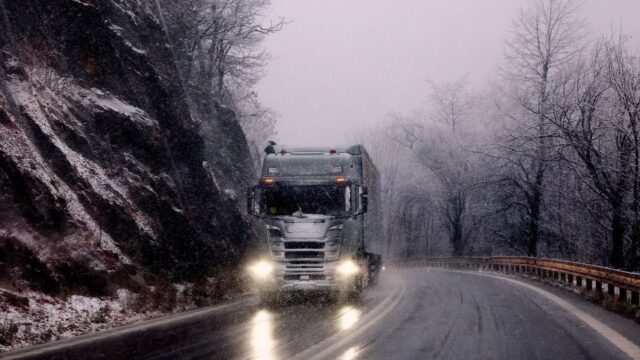
How to Chain Up a Semi Truck: Chain Types, Tires and Installing
To chain up a semi, lay chains flat, drive onto them, wrap and tighten, then recheck after a short distance. Covers which tires to chain, speed and removal.
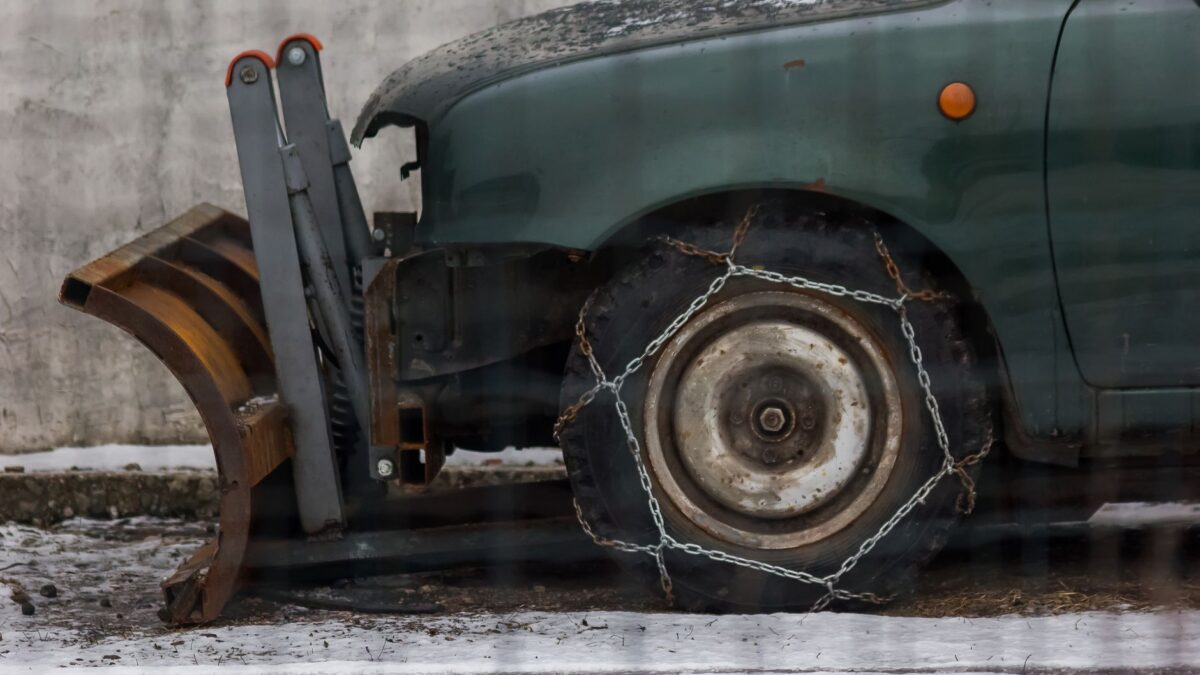
To chain up a semi truck, pull fully off the road at a chain-up area, lay the chain flat behind or in front of the drive tire, drive onto it, wrap it over the tread, fasten the inside hook first and then the outside, tighten with cams or a tensioner, and recheck tension after rolling a short distance. Most state chain laws for tractor-trailers require chains on the drive axle tires at minimum, and some steep passes also require chains on a trailer axle. Driving on chains means low speed, gentle throttle and no spinning.
What types of truck tire chains are there?
Truck chains come in a few common designs, and the right one depends on the route and how often you chain up.
- Single chains cover one tire. They are lighter to handle and often meet the minimum legal requirement in states that accept one chained tire per side of a dual set.
- Triple chains (also called dual chains) cover both tires of a dual set at once, with a third side chain running between the tires. They give more traction and are heavier to lift and fit.
- Cable chains use steel cable instead of links. They weigh less and fit tight clearances, but they wear faster and grip less on deep ice.
- Alternative traction devices such as automatic chains or approved textile socks are accepted in some states and not in others, so check the state’s rules before relying on one.
Ladder pattern chains are the most common on trucks. Diamond or “V-bar” chains with studs on the cross links grip better on ice and cost more.
Which tires do you chain on a tractor-trailer?
Chain the drive tires first, because they push the truck. On a tandem drive axle, many state laws ask for chains on four drive tires, often the outside duals on both axles or both duals on one axle, depending on the exact wording. Some passes during the strictest restrictions also require a chain on one trailer axle to help with braking and keep the trailer tracking behind the tractor.
Chain laws vary by state and even by road. California’s Caltrans posts chain control levels for mountain highways, and Colorado’s Colorado Department of Transportation enforces a commercial vehicle chain law on I-70 and other mountain routes, including a requirement to carry chains during the winter season. Check current conditions and the posted level before you reach the pass, because chain-up areas fill fast in storms.
How do you install chains on a semi step by step?
- Stop in a designated chain-up area or a safe, level spot well off the travel lanes. Set the parking brakes, turn on flashers, and wear a high-visibility vest, gloves and a headlamp at night.
- Untangle the chain on the ground. Make sure hooks face out and away from the tire so they will not cut into the sidewall.
- Drape the chain over the top of the tire, or lay it flat on the ground in line with the tire, depending on the method you use.
- If the chain is on the ground, release the brakes and roll forward or back slowly until the tire sits near the middle of the chain. Set the brakes again.
- Connect the inside fastener first, reaching behind the tire. This is the hardest step, and a hook tool saves your hands.
- Pull the outside side chain snug and connect it, using the tightest link that will close.
- Tighten with the chain’s cam levers or add a rubber or spring tensioner so the chain sits evenly across the tread.
- Drive a short distance at walking speed, stop, and retighten. Chains settle as the tire turns, and a loose chain can wrap around brake lines or air hoses.
Practice in a dry yard before the first storm. Chaining up for the first time in the dark on a snowy shoulder takes much longer than it does in daylight.
How fast can you drive with chains on?
Most chain manufacturers and state transportation agencies put the limit at about 25 to 30 mph (40 to 50 km/h), and posted chain-control speed limits are often lower. Follow the lower of the posted limit and the chain maker’s rating. Accelerate gently, brake early and avoid spinning the drives, since spinning on chains damages tires and can break links. Keep more following distance than you would on a dry road, and use the techniques in our guide to winter driving, black ice and jackknife risk on the descent.
Listen for slapping or clanking. That sound usually means a loose or broken chain. Stop as soon as it is safe and fix it, because a broken chain can whip into the fender, air lines or wiring.
How do you take chains off a semi truck?
- Pull into a chain removal area or a safe spot past the restricted zone.
- Set the brakes and release any tensioners.
- Unhook the outside fastener first, then the inside one.
- Lay the chain flat and drive slowly off it, or pull it off the top of the tire if it was draped.
- Check the chain for broken links and worn cross chains, and lay it out to drain before storing.
Hang wet chains or store them in a ventilated box so they do not rust into a tangled ball. Pack them in the same order you will need them, with tensioners and spare links in the same bag.
What are common chain-up mistakes?
- Putting chains on inside out, with hooks facing the tire.
- Skipping the retightening stop after the first short distance.
- Chaining only the trailer or only one side of the truck.
- Carrying the wrong size for your tires. Check the chain size against the tire size printed on the sidewall.
- Not carrying spare cross links, cam levers and a repair tool.
Owner-operators shopping for equipment can add a full set of chains to the checklist when inspecting a used semi truck, since a set for the drives is a real cost.
Quick answers
Do I have to carry chains even if the road is clear?
In some states, yes. Colorado, for example, requires commercial vehicles on parts of I-70 to carry chains during the winter season whether or not chain controls are in effect.
Can I chain up on the shoulder?
Use designated chain-up areas when they exist. Many states prohibit chaining in travel lanes, and the shoulder of a busy mountain highway is dangerous in low visibility.
Do team drivers need to know how to chain?
Both drivers should, because either one may be at the wheel when chain controls start. Our guide to how team drivers split shifts covers how teams divide that kind of work.
Are chains required on the steer axle?
Most state laws do not require chains on the steer tires of a tractor-trailer. Some drivers add them on very icy roads, but check that the chains clear the steering components before driving.