How to Back Up a Semi Truck: Straight Line, Offset, Alley Dock, Parallel
To back up a semi truck, steer the opposite way the trailer should go and make small, slow corrections. Steps for all four CDL backing maneuvers.
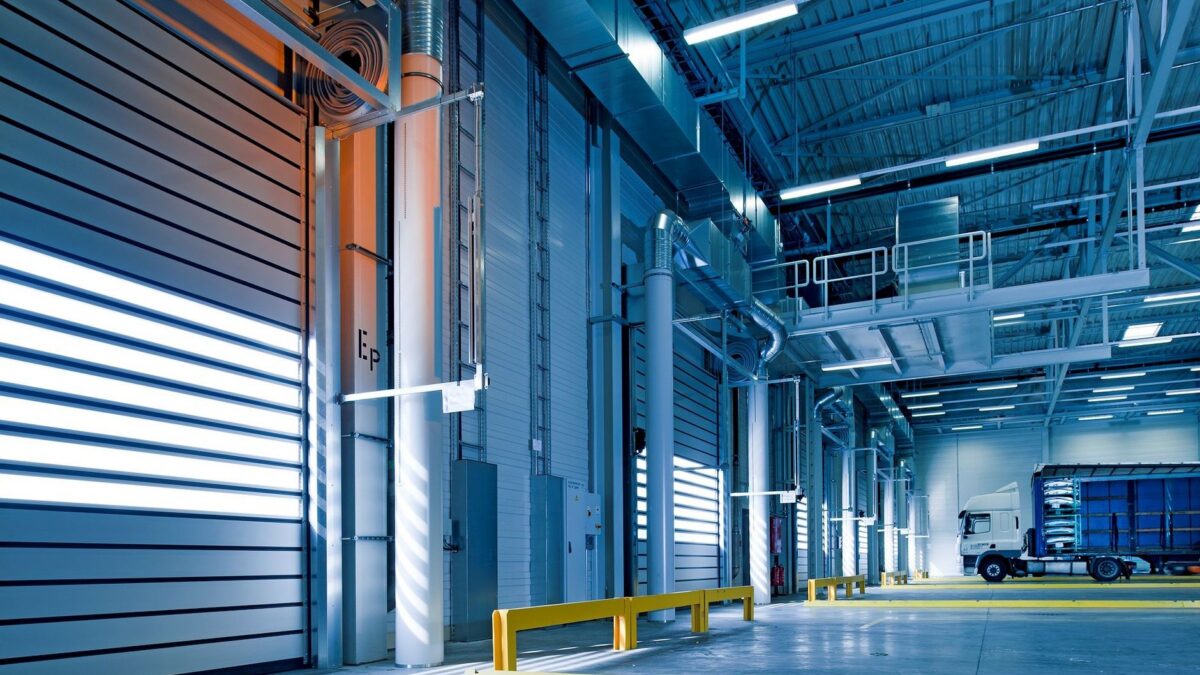
To back up a semi truck, turn the steering wheel the opposite way from where you want the trailer to go, move at idle speed, and make small corrections early. An easy way to remember it is to put one hand at the bottom of the wheel: the trailer follows that hand. The four backing maneuvers on most state CDL skills tests are the straight line back, the offset back (left or right), the alley dock and the parallel park, and each uses the same steering rule with different setups.
How does steering work when backing a tractor-trailer?
The trailer pivots on the fifth wheel, so in reverse it moves the opposite way from the front of the tractor. Turn the top of the wheel right and the back of the trailer swings left. With your hand at six o’clock, moving that hand right sends the trailer right.
The trailer reacts slowly at first and then quickly. A quarter turn of the wheel may do nothing for several feet, and then the trailer angle keeps growing even after you straighten the wheels. That delay is why drivers oversteer. Turn a little, wait for the trailer to respond, then take most of the steering back out. Follow the trailer with the tractor once it starts moving the right way: “chase” the trailer by turning the wheel toward it to stop the swing.
- Back at idle in the lowest reverse gear and keep your foot off the throttle unless you are on a grade.
- Watch both mirrors, switching between them every few seconds.
- Correct when the gap is a few inches, before it becomes a few feet.
- Stop and pull forward to reset when the angle gets away from you. A pull-up costs less than a hit.
How do you do a straight line back?
A straight line back means reversing the full length of the rig between two rows of cones or lines without touching them. Start by pulling forward far enough that the tractor and trailer are in a straight line and centered in the lane. If the rig is angled when you start, every foot of backing makes the error bigger.
- Line up straight and release the brakes.
- Back slowly and watch the gap between the trailer tandems and the boundary in each mirror.
- If the trailer drifts toward one side, steer a small amount toward that side (top of the wheel) to bring it back, then return the wheel to center.
- Stop with the trailer’s rear inside the end marker.
Most drift comes from holding a correction too long. Turns of a few inches on the wheel are usually enough.
How do you do an offset back?
An offset back moves the rig from one lane into the lane beside it while reversing, ending straight and centered in the new lane. It is an S-shaped move: you angle the trailer into the new lane, then straighten it. The offset to the left (driver side) is easier because you can see the trailer through the window. The offset right is a blind-side move that depends on the passenger mirror.
- Start straight in the first lane.
- Turn the wheel away from the target lane to start the trailer moving toward it. For an offset left, turn the top of the wheel right.
- As the trailer enters the new lane, turn the wheel back the other way so the tractor follows the trailer.
- When the trailer is nearly centered, straighten the tractor behind it and finish as a straight line back.
Start the move early. If you wait until the tractor is in the first lane’s back half, you run out of room to straighten out.
How do you do an alley dock?
The alley dock is a 90-degree back into a space, the same move you make at a shipper’s dock door. Pull forward past the alley with the tractor on the side away from the space, so the trailer can swing in from a wider angle. On the test, the rig usually starts across from the alley on the driver’s side, so the backing happens on the sight side.
- Pull ahead until the trailer tandems are about at or just past the alley entrance. Many drivers swing the tractor away from the alley as they pull up to set an angle.
- Turn the wheel hard away from the alley so the trailer starts swinging toward the opening.
- Once the trailer is heading into the alley, turn the wheel back toward the trailer to follow it in.
- Bring the tractor in line with the trailer and back straight to the end marker or the dock bumper.
At a real dock, stop a few feet short, get out and look, then ease back until the trailer touches the bumper. Check that the dock plate or leveler is clear and set the brakes before anyone enters the trailer.
How do you parallel park a semi?
Parallel parking a tractor-trailer means backing into a space beside you so the trailer ends up in the space, close to the curb line. On most tests, the tractor does not have to fit in the space; the trailer does. You can be tested on the driver side or the conductor (passenger) side.
- Pull forward alongside the space, a few feet out from it, until the trailer’s rear is a little past the front of the space.
- Turn the wheel away from the space to start the trailer’s rear swinging into it.
- When the trailer is about halfway in at an angle, turn the wheel toward the space so the tractor follows and the trailer starts to straighten.
- Keep backing and steering until the trailer is parallel to the curb and inside the rear and side lines.
The conductor-side version uses the same steps with mirror-only visibility, so practice it more often than the driver side.
What costs points on the CDL backing test?
Examiners on the basic control skills test count three kinds of errors, though exact point limits vary by state:
- Encroachments: touching or crossing a line or cone with any part of the rig.
- Pull-ups: stopping and pulling forward to reposition. A few are allowed; each one counts.
- Looks: getting out to check the rig’s position. A limited number is allowed and is often worth using.
Hitting a cone hard, or failing to finish the exercise, can fail the test outright. Your state’s CDL manual lists the rules, and the Federal Motor Carrier Safety Administration explains the federal CDL testing requirements and the entry-level driver training rule.
How do you back up safely on the job?
Backing outside a test yard has blind spots, people and fixed objects that cones do not have. G.O.A.L. (“Get Out And Look”) is the standard habit: walk around the rig before you start and again whenever you are unsure. Use a spotter when one is available and agree on hand signals first; stop if you lose sight of the spotter. Roll the window down, turn the radio off and use your flashers.
Avoid blind-side backing when a sight-side approach is possible, even if it means driving around the block. On ice, backing and tight turns need extra room, and the tips on winter driving and jackknife risk apply in a yard as well. If you are shopping for your own tractor, worn steering parts and a loose fifth wheel make backing harder to control, which is one reason to use a used semi truck inspection checklist before you buy.
Quick answers
Which way do you turn the wheel to back a trailer left?
Turn the top of the wheel to the right, or move a hand placed at the bottom of the wheel to the left. The trailer moves toward the side your bottom hand moves.
Why is blind-side backing harder?
On the passenger side, the trailer is visible only in the mirror, and the convex mirror distorts distance. Drivers choose a driver-side approach whenever the layout allows it.
How long does it take to get good at backing a semi?
Most new drivers can pass the test maneuvers after the yard practice in CDL training, but backing into tight dock doors under time pressure usually takes months of daily repetition.
Is it better to pull up or keep correcting?
Pull up when the trailer angle is too sharp to fix in the space left. Trying to save a bad angle in reverse usually ends in a jackknife or a hit.