Rail Containers Wait 7.19 Days at LA and Long Beach Terminals
C.H. Robinson's November report says rail waits, chassis costs and shorter Norfolk gate hours keep drayage tight while import demand cools.
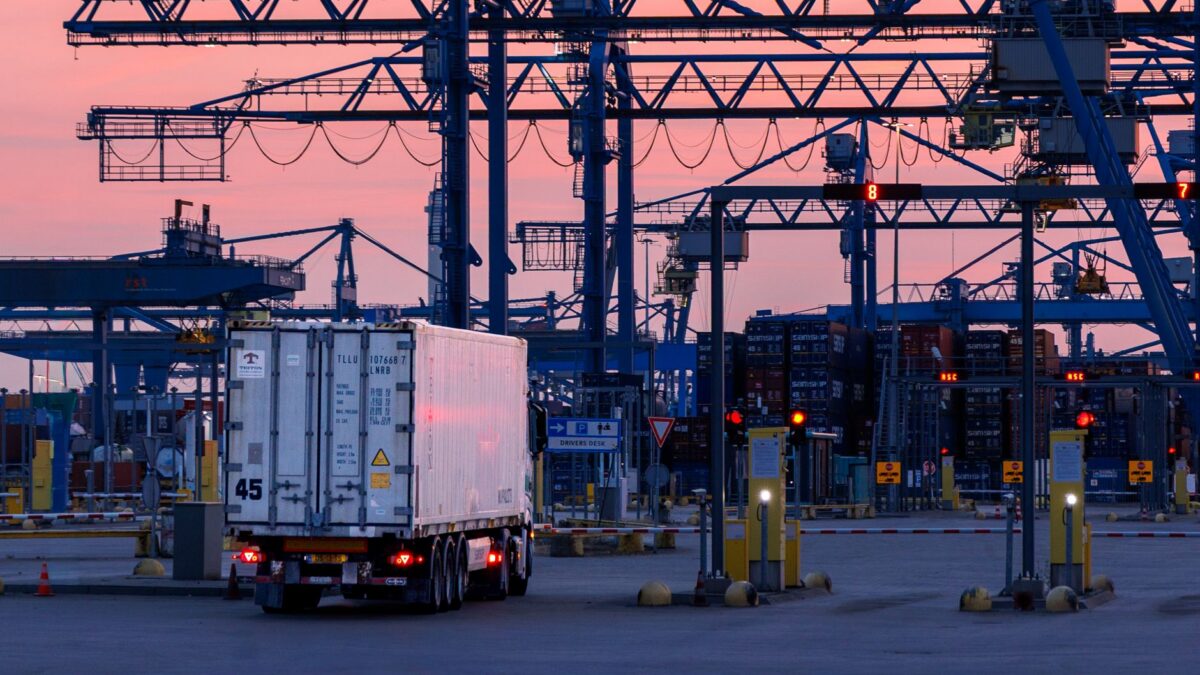
Weaker import demand has not cleared the bottlenecks that sit between U.S. ports and their customers. C.H. Robinson’s November 2026 Edge Report, as covered by Container News, names rail links, chassis supply and terminal access as the trouble spots, even at ports where ships unload without much delay.
The logistics firm cautions that a dip in import volume will not automatically free up trucks or equipment. When ships arrive unevenly and boxes linger longer, demand for drayage trucks, chassis and terminal appointments goes up instead.
How long do rail containers wait in Los Angeles and Long Beach?
Import containers headed for rail at Los Angeles and Long Beach sat at marine terminals for 7.19 days on average in September, the report says, citing Pacific Merchant Shipping Association data. Containers leaving by truck averaged 3.18 days.
A shortage of railcars is part of the reason, and the extra days eat into yard space and delivery schedules further inland.
Why are chassis costs rising in Savannah?
Savannah still has trouble finding chassis, the wheeled frames that carry containers. Boxes that stay out longer tie up each chassis, so every unit makes fewer trips. C.H. Robinson says that slower turnover is lifting the price of private chassis.
Houston has its own set of problems: heavy industrial demand, longer hauls and clogged roads push up drayage costs and tighten equipment. The report says this could blunt the usual seasonal easing as imports slow.
What changed at the Port of Virginia?
Starting Oct. 13, truck gates at Norfolk International Terminals and Virginia International Gateway shortened their hours. Inbound portals shut at 4 p.m., PRO-PASS reservations stop at 3 p.m. and the last pickup of a refrigerated container is at 3:30 p.m.
The firm says the tighter windows give trucking companies less room to maneuver. A late cargo release or a queue at the terminal can cost a driver the next pickup of the day, and the knock-on effects can hit warehouse appointments, chassis placement and empty returns, possibly adding storage and transport charges.
What does it mean for truckers and shippers?
Drayage carriers face pressure from three sides: boxes waiting on rail, slower chassis turnover and earlier cutoffs in Virginia. Any of them can reduce how many moves a truck makes per day.
C.H. Robinson tells shippers to look at terminal access, chassis supply and inland conditions together with ocean schedules when they plan loads.
What is the outlook for the rest of 2026?
The company’s ocean freight outlook for November also points to container services slowly returning to the Suez Canal. Shorter routes may speed up ship rotations, but arrivals from Suez and Cape of Good Hope services landing together could briefly crowd European terminals and their inland networks.
C.H. Robinson expects local infrastructure and equipment limits to keep shaping container logistics through the end of 2026.
Source: Container News