LA-Long Beach Faces Nov. 20 Strike Deadline as Rail Dwell Times Grow
Rail delays at Los Angeles and Long Beach and a Nov. 20 ILWU Local 26 strike deadline add risk as ocean rates stay 50% above last year. What truckers face.
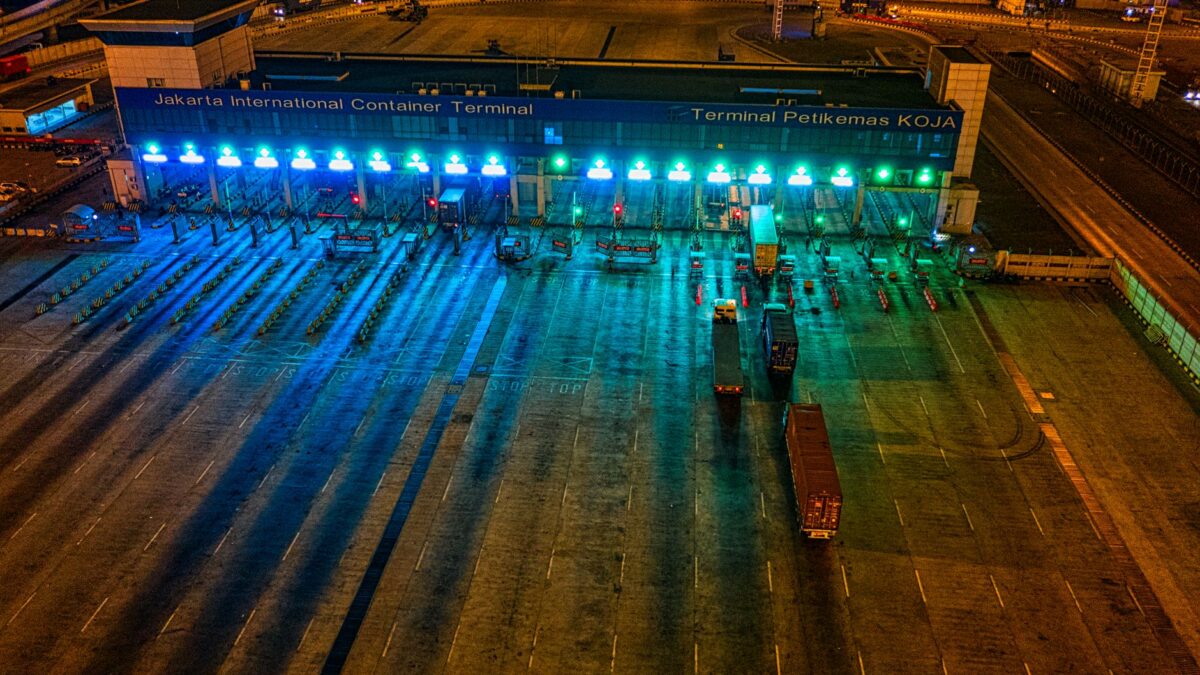
Containers moving by rail out of the ports of Los Angeles and Long Beach are sitting longer, and a strike deadline on Nov. 20 adds another risk for the trucks that haul boxes in Southern California. The watchmen represented by International Longshore and Warehouse Union Local 26 face that deadline, though contract bargaining is continuing, FreightWaves reported.
The inland strain comes as ocean container rates on the main east-west lanes stay high. Asia-Europe prices are 40% to 50% above year-earlier levels, according to a market update cited by FreightWaves, even as more ships return to the Red Sea route.
Rail dwell and storms in Southern California
Record import volumes from Asia and storm damage on BNSF’s Southern Transcon line have pushed up rail dwell times in Southern California, according to the report. Dwell time is how long a container waits at a terminal or rail yard before it moves on. When boxes back up at the ports, drayage drivers who shuttle containers between terminals, rail ramps and warehouses spend more time waiting for pickups. More on how those truck legs fit into the chain is in our explainer on how rail intermodal works.
Trans-Pacific rates near peak
Rates to the U.S. edged up for the week ending Nov. 13, according to Freightos data. Shipping a forty-foot container from Asia cost $8,460 to the West Coast and $9,850 to East Coast hubs. Drewry’s World Container Index showed weekly declines on Shanghai-Los Angeles and Shanghai-New York, and forwarders reported discounts below published rates.
On Asia-Europe lanes, prices were broadly flat. Asia-North Europe held at about $3,400 per forty-foot unit, down 5% from the end of October, and Asia-Mediterranean stayed near $4,300. Carriers plan to blank, or cancel, eight Asia-Europe sailings next week, up from five, to cut capacity.
More ships coming back to Suez
Maersk and Hapag-Lloyd said on Nov. 16 that their Gemini AE1, AE2 and AE3 services will return to the Suez route, with the first sailings planned for December and January, as long as the region stays stable. Shorter voyages free up ship capacity. Alphaliner puts the containership orderbook at 15.12 million twenty-foot units, equal to 43.9% of the trading fleet, and expects fleet capacity to grow 9.2% in 2027.
What it means for truckers
For drayage carriers and owner-operators serving the Southern California ports, the near-term issues are on land: longer rail dwell and a possible labor stoppage at Los Angeles-Long Beach. In Europe, French dockworkers and port staff were called to a 24-hour stoppage on Nov. 17, and Spanish terminals were still recovering from a Nov. 11 general strike, according to FreightWaves.
Further out, a fleet that keeps growing while routes get shorter could leave more capacity than cargo next year, which would weaken carriers’ pricing power on the water. U.S. import flows also depend on trade policy. President Donald Trump is scheduled to meet Chinese President Xi Jinping this week, ahead of the Jan. 10 expiration of the interim US-China trade agreement.
What to watch next
Beyond the Nov. 20 Local 26 deadline, ocean carriers are preparing more price increases for late November and December, Freightos said. At the Panama Canal, a Nov. 9 advisory raised daily booking capacity to 34 transit slots and restored the maximum draft in the Neopanamax locks to 50 feet after better rainfall. Freightos sees a lower risk of severe canal disruption through the first half of 2027 than it did over the summer.
Source: FreightWaves