Long Beach Port Cuts Diesel Soot 7% in Its Busiest Cargo Year
The Port of Long Beach cut diesel particulate matter 7% and nitrogen oxides 9% in 2025. Truck and ship figures and next year's programs are covered.
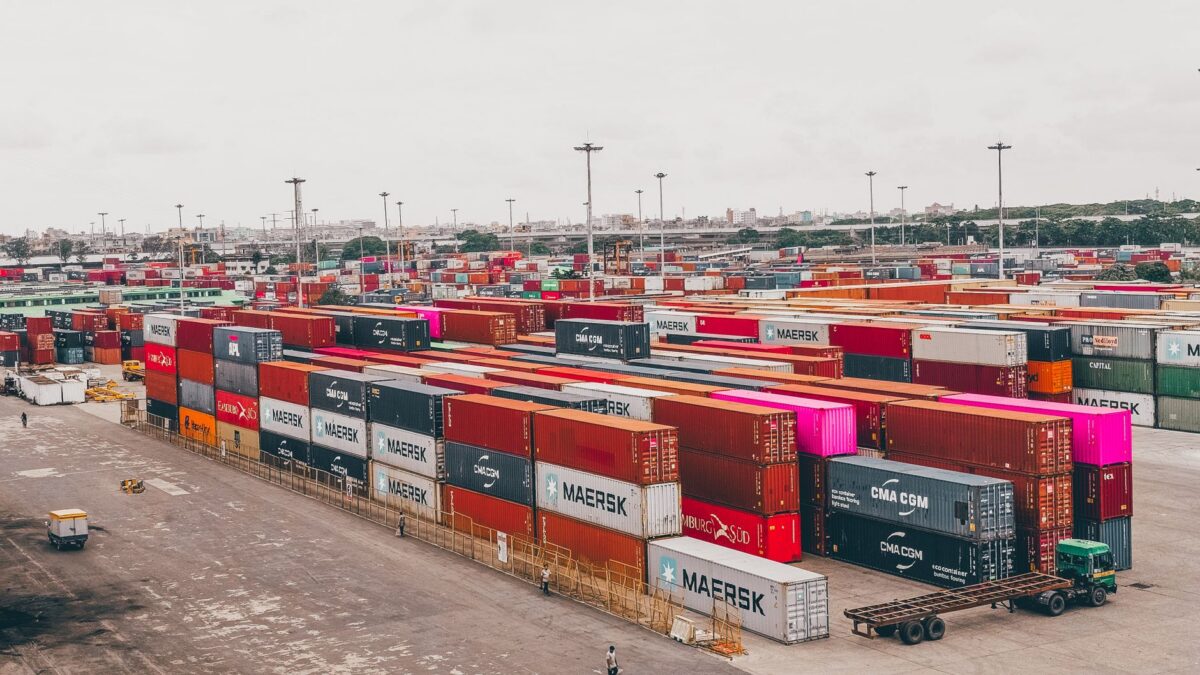
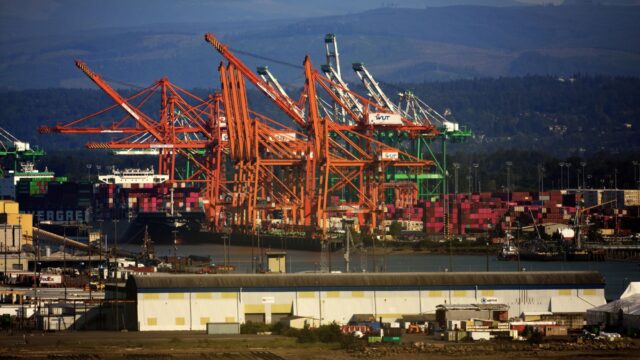
The Port of Long Beach cut diesel particulate matter by 7% in 2025, the year it handled more cargo than ever before, according to its annual emissions inventory as reported by the Daily Breeze and the Press-Telegram. Nitrogen oxides fell 9%, sulfur dioxides 9% and greenhouse gases 6% over the same single year.
The port credited investments in zero-emissions equipment, wider use of shore power and more visits from cleaner ships. The Port of Los Angeles reported similar results in October, telling its harbor commission on Oct. 22 that it had recorded its lowest annual emissions per container.
What the 2025 inventory counted
Terminals at Long Beach handled nearly 9.9 million twenty-foot equivalent units (TEUs, the standard measure for shipping containers) last year, the port’s busiest on record. Los Angeles handled nearly 10.2 million TEUs. Each year the two ports tally pollution from ships, trucks, trains, harbor craft and cargo-handling equipment. The Long Beach inventory is reviewed by the U.S. Environmental Protection Agency, the California Air Resources Board and the South Coast Air Quality Management District.
Trucks, ships and terminal equipment
The port listed these results from the 2025 inventory:
- Trucks from model year 2014 or newer made up 95% of the fleet, the highest share yet, and 2% of the drayage fleet (the short-haul trucks that move containers to and from the terminals) was zero-emissions.
- Use of shore power and emissions-control barges for ships at berth rose 11%.
- Tier III engines, the cleanest available, were on 21% of vessel calls.
- Zero-emissions models made up 21% of cargo-handling equipment.
Progress since 2005 and 2017
Since the 2017 update of the Clean Air Action Plan, which both ports adopted together, diesel particulates at Long Beach are down 13%, nitrogen oxides 34% and sulfur oxides 29%. Greenhouse gases rose 9% over that span, while container throughput grew 31%.
Measured from 2005, diesel soot has dropped 91%, nitrogen oxides 70%, sulfur oxides 98% and greenhouse gases 9%, while container throughput increased 47%. The port also marked the 20th anniversary of its Green Port Policy last year, and this year is the 20th anniversary of the Clean Air Action Plan.
Port CEO Noel Hacegaba said the port is focused on building a “Port of the Future” and that more work remains. Long Beach harbor commission President Steven Neal said the findings show a port can be a strong jobs engine and still protect the environment.
Why it matters for drayage drivers
Trucks are one of the pollution sources the ports measure, and the port’s own plans for next year put them at the center. Officials said they will launch a truck utilization incentive program meant to increase the use of zero-emissions trucks, along with an enhanced zero-emissions truck voucher program. The port will also update its Green Ship Incentive Program and keep working on a zero-emissions infrastructure plan for cargo-handling equipment, harbor craft and locomotives.
The scale of the problem is large. The South Coast Air Quality Management District says on its website that the twin ports of Los Angeles and Long Beach are the single largest fixed source of air pollution in Southern California. According to the district, sources at the port release more than 100 tons per day of nitrogen oxides, which form smog and particulates, which is more than the daily emissions of all 6 million cars in the region.
Details of the new truck programs, including funding and eligibility, were not given in the announcement. The port directed readers to polb.com/environment for more on its initiatives.
Sources: Daily Breeze, Press-Telegram