LA and Long Beach Ports Top 1 Million Import TEUs Again
Combined imports at the Los Angeles and Long Beach ports hit 1,000,500 TEUs in October. See what is driving the surge and what a Nov. 20 deadline could change.
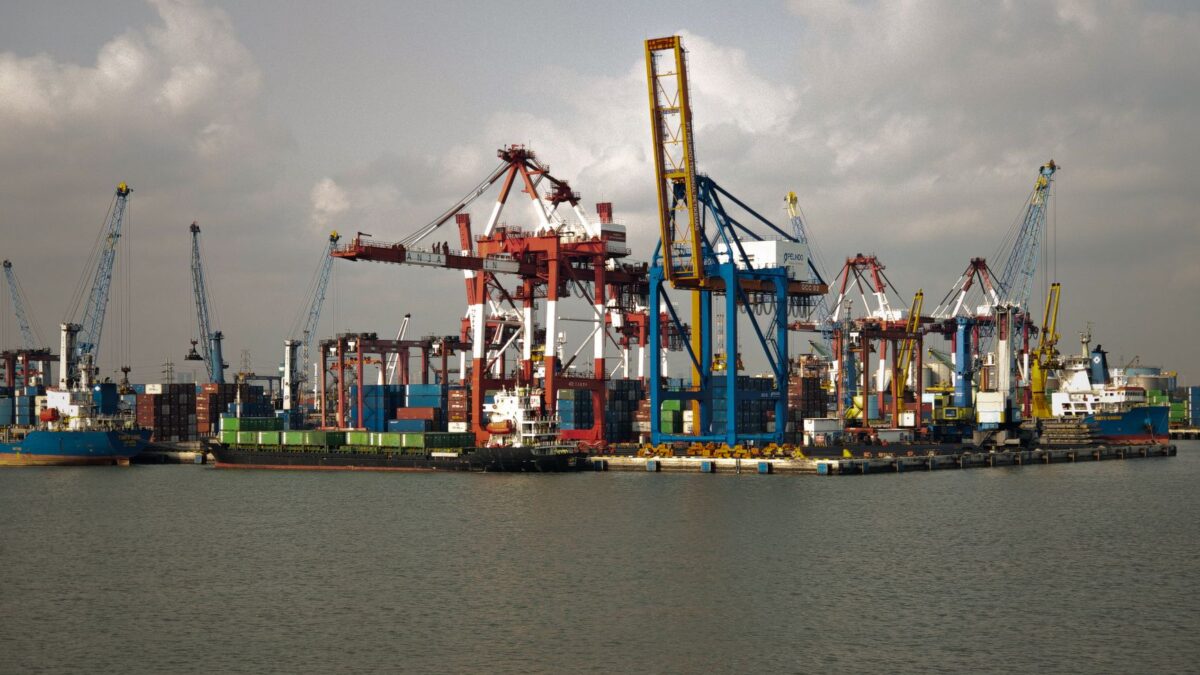
Combined imports at the Port of Los Angeles and the Port of Long Beach reached 1,000,500 TEUs in October, according to Transport Topics, which cited data provided by the ports. A TEU is a 20-foot equivalent unit, the standard measure of container volume. It was the second time the busiest U.S. trade hub passed the 1 million mark, and the total landed just below September’s all-time high.
The volume is also stressing the supply chain around the docks. The National Retail Federation (NRF) said the heavy flow has caused backups, especially for cargo moving out by rail, and warned of a possible disruption if a labor deal is not reached by Nov. 20.
What is behind the October surge
Port of Los Angeles Executive Director Gene Seroka said on Nov. 12 that the sustained increase comes from changing trade policy, uncertainty along other global shipping routes, U.S. consumer spending and retailers restocking inventory. Transport Topics also reported that some importers are bringing in goods tied to the AI buildout, while others are dealing with a long stretch of tariff uncertainty.
Compared with October of last year, loaded import, export and empty container volumes together were up more than 20% at the Port of Los Angeles and more than 11% at the Port of Long Beach.
Exports fall while empties rise
Exports moved the other way. They dropped 7% in Los Angeles and 6% in Long Beach from a year earlier. Empty containers handled at the two ports were 26% and 13% higher. Transport Topics described that as a sign ocean carriers are repositioning equipment for more shipments coming from Asia.
For truckers working the ports, that mix means plenty of inbound boxes to haul and fewer loaded exports to carry back.
How long the volume may last
Port of Long Beach CEO Noel Hacegaba told Bloomberg last week that he expects elevated volumes to continue through at least the start of next year, as importers pull goods forward before a U.S.-China trade truce expires again in January. “We expect to be busy at least through the first month of the new year and possibly through the first quarter,” he said. He added that cargo for the AI boom is among the growth drivers.
The NRF sees a different pattern across several of the busiest U.S. ports. It expects the import surge to taper off through the end of the year, then fall 3% in January compared with a year earlier. “Numbers are still strong even as the season winds down,” said Jonathan Gold, the NRF’s vice president for supply chain and customs policy.
Why it matters for trucking
High container counts translate into more drayage and long-haul work out of Southern California, but also into congestion. Gold said the volumes have produced backups, with rail-bound cargo hit hardest at the major West Coast ports. Freight that waits on the rail side can pile up at terminals and slow the trucks that serve them.
The NRF also flagged a labor risk. Gold warned that operations at both ports could be disrupted if a union of security workers and their employers do not reach an agreement before the Nov. 20 deadline. Transport Topics separately reported that a strike threat at the Port of Los Angeles was deferred to that date.
What to watch
- Nov. 20: the deadline for the security workers’ union and their employers to reach an agreement.
- January: the expiration of the U.S.-China trade truce, which Hacegaba linked to importers’ frontloading.
- January import volumes, which the NRF expects to come in 3% lower than a year earlier.
Source: Transport Topics