CDL Classes A, B and C: What Each License Lets You Drive
Class A covers combinations over 26,000 lb, Class B straight trucks and buses, Class C small hazmat and passenger vehicles. Weights, jobs and endorsements explained.
A Class A commercial driver’s license covers combination vehicles with a gross combination weight rating (GCWR) of 26,001 pounds or more (11,794 kg), as long as the trailer being towed is rated above 10,000 pounds (4,536 kg). Class B covers a single vehicle rated at 26,001 pounds or more that tows a trailer of 10,000 pounds or less. Class C covers smaller vehicles that carry 16 or more people or placarded hazardous materials.
The class is set by the weight rating on the manufacturer’s plate, not by how much the truck carries on a given day. The same rule applies in every state because the federal government sets the classes.
What does a Class A CDL let you drive?
A Class A license lets you drive a tractor-trailer, a truck-and-trailer combination or any other combination vehicle that meets the 26,001-pound GCWR and 10,000-pound trailer thresholds. With the right endorsements it also covers tankers, doubles and triples, and hazmat loads.
Holders of a Class A can usually drive Class B and Class C vehicles too, provided they carry any endorsement the vehicle needs. That makes Class A the most flexible license and the one most long-haul carriers ask for.
Common Class A jobs:
- Over-the-road and regional tractor-trailer driving (dry van, reefer, flatbed)
- Tanker and bulk hauling, with the tank endorsement
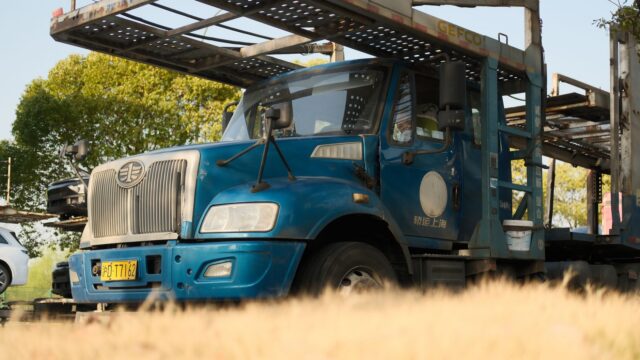
- Livestock and car-hauler trailers
- Owner-operator freight under your own authority
- Doubles and triples for less-than-truckload carriers
What does a Class B CDL let you drive?
A Class B license lets you drive a single vehicle with a gross vehicle weight rating (GVWR) of 26,001 pounds or more, and it allows you to tow a trailer only if that trailer is rated 10,000 pounds or less. Straight trucks, large buses and dump trucks are the usual examples.
Class B does not cover a tractor pulling a heavy semi-trailer. If the towed unit goes above 10,000 pounds, the rig becomes a combination and needs a Class A.
Common Class B jobs:
- Box truck and straight-truck delivery
- Dump truck, cement mixer and garbage truck driving
- City transit, school and motorcoach buses (with passenger and school bus endorsements)
- Utility and construction trucks
- Furniture and moving trucks above the weight line
Anyone planning a dump truck operation will find the licensing and insurance side covered in our guide to starting a dump truck business.
What does a Class C CDL let you drive?
A Class C license is needed for a vehicle that does not meet the Class A or Class B weight limits but is built to carry 16 or more passengers including the driver, or is used to haul hazardous materials that require placards. Without an endorsement for that purpose, a vehicle under 26,001 pounds does not need a CDL at all.
Class C is the least common class. Its holders drive vans, small buses and smaller tankers, and nearly every Class C job depends on a passenger or hazmat endorsement.
Common Class C jobs:
- Airport shuttles and hotel vans seating 16 or more
- Church, camp and charter vans in the same size range
- Small trucks hauling placarded loads such as fuel or compressed gas
How do weight ratings decide your class?
GVWR is the maximum loaded weight of a single vehicle as set by its maker. GCWR is the maximum loaded weight of a tractor and trailer together. The 26,001-pound line is the dividing point for both. A deeper look at how the weight classes fit with other federal rules is in our article on truck classes and GVWR.
The decision comes down to three questions:
- Is the vehicle you drive a combination rated 26,001 pounds or more, with a trailer over 10,000 pounds? That is Class A.
- Is it a single vehicle rated 26,001 pounds or more, towing 10,000 pounds or less? That is Class B.
- Is it lighter than both, but seats 16 or more or carries placarded hazmat? That is Class C.
Which endorsements and restrictions matter?
Endorsements add permission to drive a particular type of vehicle or load on top of the class. The standard federal endorsements are:
- H: hazardous materials
- N: tank vehicles
- P: passenger vehicles
- S: school buses
- T: double and triple trailers
- X: combined tank and hazmat
Restrictions limit what you can drive. The most common is the air brake restriction, which is placed on your license when you take the skills test in a vehicle without air brakes. A manual transmission restriction works the same way if you test in an automatic.
Hazmat, passenger and school bus endorsements involve extra steps, such as a background check or additional tests, which vary by state. Check with your state licensing agency for the exact process, and see the Federal Motor Carrier Safety Administration for the federal rules behind the classes.
What are the age limits and risks to a CDL?
Federal rules set 18 as the minimum age for driving a commercial vehicle inside one state and 21 as the minimum for crossing state lines or hauling hazmat. Some states have their own rules, so confirm yours.
A license can be lost for serious offenses, and the length of the loss depends on the offense. Our list of CDL disqualification offenses and how long each one lasts covers the details.
Quick answers
Can a Class A driver operate a Class B truck?
Generally yes. A Class A covers lower classes as long as you hold any endorsement the vehicle needs, such as passenger or tank.
Do I need a CDL for a pickup pulling a trailer?
Usually not. A CDL is required once the combination reaches 26,001 pounds or more with a trailer over 10,000 pounds, or when the vehicle falls into the passenger or hazmat categories.
Which class pays the most?
Pay depends on the carrier, the lane, the freight and the endorsements held, so no class is guaranteed to pay more. Class A has the widest range of jobs, and hazmat and tanker endorsements often open higher-paying work.
Can I upgrade from Class B to Class A?
Yes. You take the Class A knowledge and skills tests, and many drivers first practice with a learner’s permit under a licensed driver’s supervision.