FOB Shipping Point vs FOB Destination: Who Owns the Freight
FOB shipping point puts ownership and transit risk on the buyer, FOB destination on the seller. See who pays freight and who files the claim.
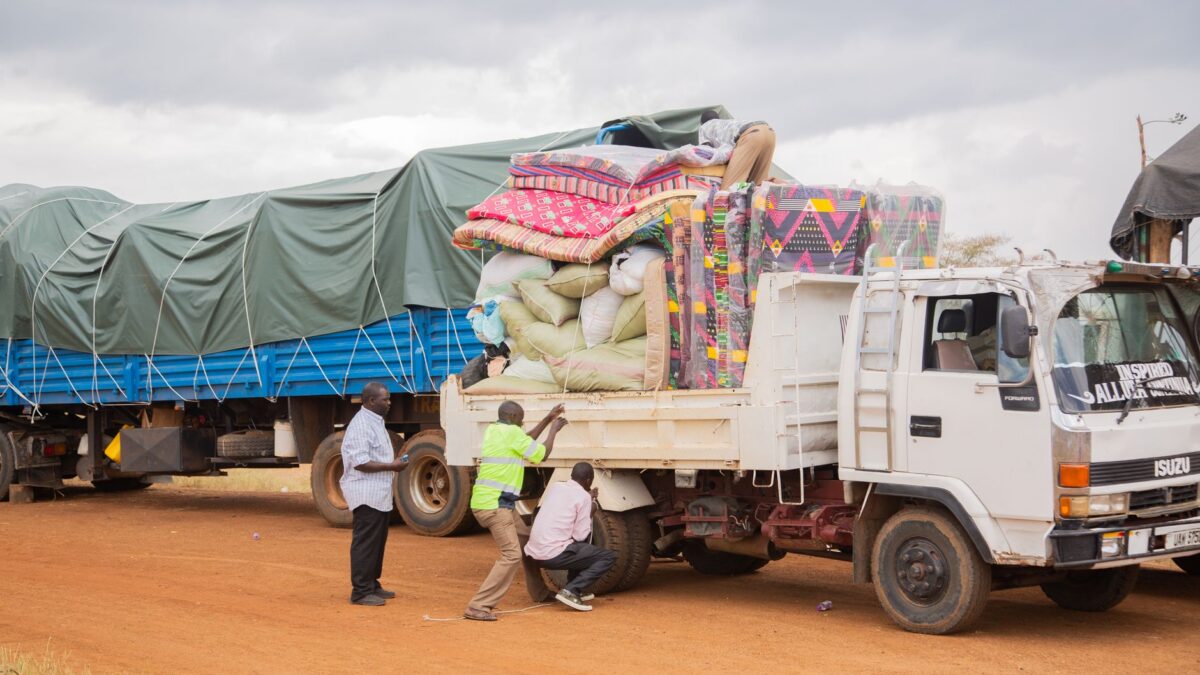
Under FOB shipping point (also called FOB origin), the buyer owns the freight the moment the carrier takes it from the seller, so the buyer carries the risk in transit and normally files any loss or damage claim. Under FOB destination, the seller owns the freight until it is delivered to the buyer’s dock, so the seller carries the risk and normally files the claim. Who pays the freight bill is a separate question that the order or contract has to settle.
FOB stands for “free on board.” In domestic US trade it is a sales term that fixes the point where ownership (title) and risk of loss pass from seller to buyer. It does not name a carrier, a rate or a payment method. Drivers and small carriers see it on bills of lading, purchase orders and rate confirmations, and it decides who calls you when a load arrives damaged.
What does FOB shipping point mean?
FOB shipping point means title passes at the seller’s location when the goods are handed to the carrier. From that moment the goods belong to the buyer, even though they are still on your trailer and still miles from the receiver.
- The buyer owns the goods in transit and records them as inventory as soon as they ship.
- The buyer bears the loss if the load is stolen, damaged or delayed.
- The buyer is the usual claimant against the carrier, because the buyer is the one who lost the value.
- Freight charges are commonly the buyer’s, though the contract can say otherwise.
What does FOB destination mean?
FOB destination means title stays with the seller until the freight reaches the named delivery point and is accepted. The goods are the seller’s property for the whole trip.
- The seller keeps the goods on its books until delivery.
- The seller bears the loss if the shipment is damaged or lost before it arrives.
- The seller is the usual claimant against the carrier, even when someone else hired the truck.
- The seller commonly arranges and pays the freight, often built into the delivered price.
Who pays the freight under each term?
Ownership and payment can be split, and that is where most confusion starts. “FOB origin, freight prepaid” means the buyer owns the goods in transit but the seller pays the carrier. “FOB destination, freight collect” is the reverse case on paper: the seller owns the goods in transit while the buyer pays the freight bill.
The bill of lading usually shows the freight terms as prepaid or collect, and the shipper, consignee and bill-to party may all be different companies. If you are the carrier, bill the party named for payment, and do not assume the party who owns the goods is the one who owes you. A third-party bill-to is common with brokers and should match the paperwork you signed.
Who files the freight claim?
The party that held title and bore the risk when the damage happened is generally the one with a claim. With FOB shipping point that is the buyer. With FOB destination that is the seller. Both can end up in the paperwork, because the receiver often notes damage at delivery while the owner files the formal claim.
For interstate truckload and LTL shipments, the liability rules of the Carmack Amendment apply, and the filing steps and proof are covered in our guide to Carmack claims, deadlines and proof. The FOB term decides who has standing to claim; Carmack decides what the carrier owes and how fast the claim must be filed. Carriers can also read the agency’s overview of its role on the Federal Motor Carrier Safety Administration site.
What should drivers and carriers do at pickup and delivery?
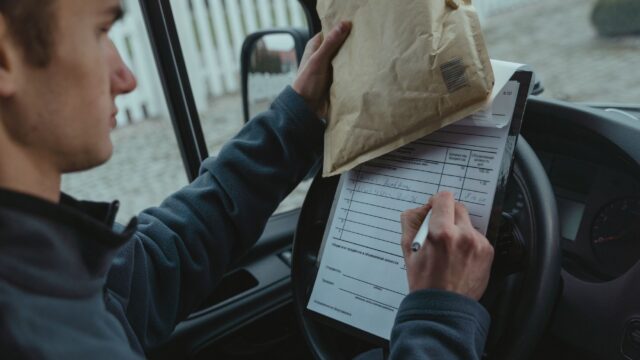
- Check the bill of lading for the FOB term and the freight terms before you sign.
- Count the pieces and note visible damage or shortages on the paperwork at pickup. Under shipping point terms, a clean signature can be used as proof the freight left in good order.
- Note exceptions on the delivery receipt before the receiver signs, such as crushed cartons, wet freight or a broken seal.
- Take dated photos of the freight, the seal and the trailer.
- Keep copies of the bill of lading, the receipt and your correspondence. Record retention rules for trucking files explain how long to hold each type.
A cargo claim usually arrives from whichever company owned the goods, not from the one that hired you. Knowing the FOB term tells you which phone number to expect it from.
Does insurance follow the FOB term?
Cargo insurance usually follows ownership of the risk. A buyer under FOB shipping point has a financial interest in the load while it moves and often insures it. A seller under FOB destination has that interest instead. Your own motor carrier cargo coverage is separate and responds to your liability as the carrier, not to the shipper’s loss of goods. Check the limits and exclusions on your policy, because a carrier’s liability does not always equal the full value of the freight.
When you work with direct shippers, ask early which FOB term and payment terms their orders use, since they affect who inspects the load and who deals with you after a loss.
Is domestic FOB the same as the Incoterms FOB?
No. Incoterms are international trade terms published by the International Chamber of Commerce, and its FOB term applies to sea and inland waterway shipments, with risk passing when goods are on the vessel. Domestic US FOB comes from sales law and applies to any mode, including trucks. If a container moves from a port to a warehouse by truck, read the sale contract to see which set of terms it follows.
Quick answers
Does the driver decide the FOB term?
No. The seller and buyer agree on it in their sales contract, and it shows up on the paperwork you carry. Your job is to read it, follow the bill of lading and document the freight’s condition.
Can the buyer pay the freight but the seller own the goods in transit?
Yes. FOB destination with freight collect does exactly that. Ownership and payment are separate terms.
Who loses money if freight is stolen under FOB shipping point?
The buyer, because title had already passed when the carrier took the load. The buyer then looks to the carrier or its own insurer.
Does a signed clean delivery receipt end a claim?
It makes one harder. If damage is found later, concealed damage rules and the carrier’s policy decide what proof is needed, so report it as soon as it is found.