How to Find Direct Shipper Freight: Lists, Quotes, Contracts
Small carriers find direct shipper freight by building a target list, qualifying shippers, quoting by lane and cost, and signing clear contracts.
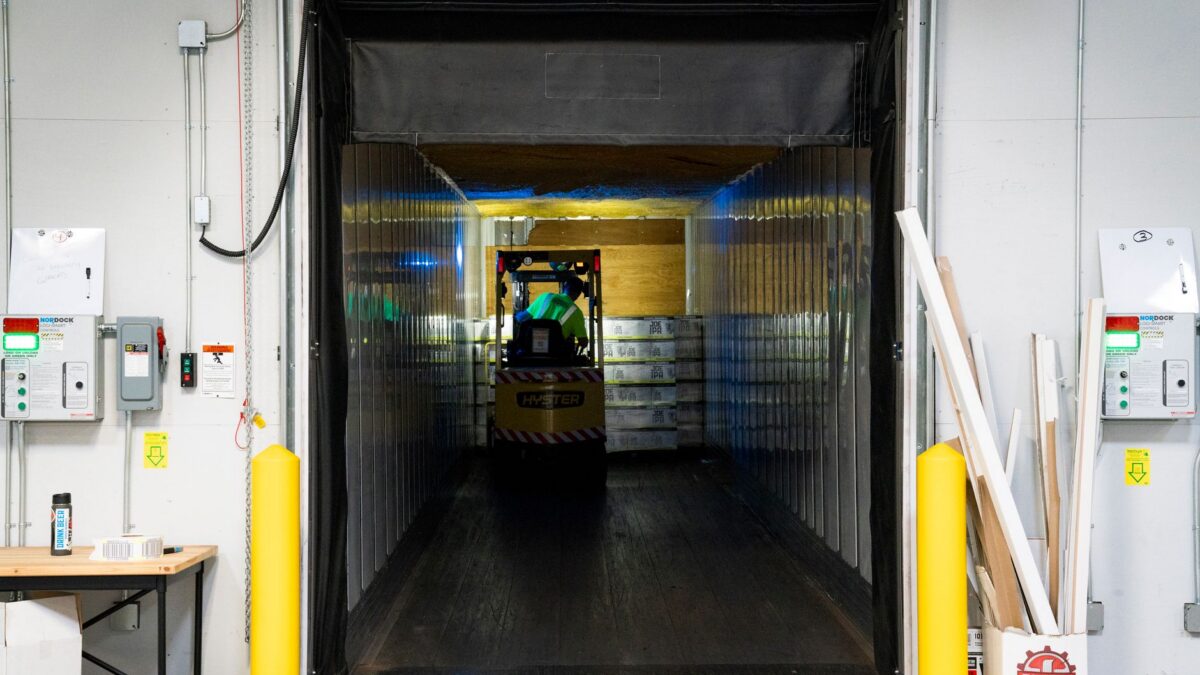
A small carrier finds direct shipper freight by choosing a few lanes it can run well, building a list of shippers that move freight on those lanes, contacting the person who books transportation, quoting a rate that covers its full cost per mile, and putting terms in a written agreement. The work is slow, and most small carriers keep some broker freight while the direct customer base grows.
Direct freight removes the broker from the middle, which can mean steadier volume and a clearer view of what the shipper pays. It also means the carrier handles sales, credit checks, paperwork and claims itself.
Why would a small carrier want direct freight?
Direct customers usually offer repeat loads on a known lane, so drivers spend less time searching a load board. Rates are set between the shipper and the carrier instead of through a broker’s margin. Direct freight also brings new duties: invoicing, following up on payment, and keeping insurance certificates current. A carrier that cannot wait for payment may pair direct freight with freight factoring.
How do you build a customer list?
Start with the freight you already know. Note what your trailer type hauls, which lanes you run and which facilities you load at and deliver to. Then build the list in layers:
- Shippers at the docks where you already pick up or deliver. Ask the dock staff who arranges transportation.
- Manufacturers, distributors and warehouses within a short drive of your base, found through local industrial parks and business directories.
- Receivers on your backhaul lanes, since a load that returns you toward home has extra value.
- Smaller freight brokers and third-party logistics companies, which can act as a bridge to direct accounts.
Record each company, the lane, the trailer type, the contact and what happened on each call in a simple spreadsheet. Keep the list short enough to work every week.
How do you qualify a shipper before you call?
Check that the shipper ships regularly, uses your equipment type and pays on terms you can live with. Ask about loading times, whether appointments are required, how long trucks usually wait, and who handles detention. A shipper that cannot answer these questions is likely to cost you time later.
Check credit before you haul. Ask for payment terms in writing, look at the company’s payment history with other carriers where you can find it, and consider a credit report for larger accounts.
How should you quote direct freight?
Quote from your cost, not from the load board. Work out your cost per mile from fuel, driver pay or owner-operator draw, insurance, maintenance, equipment payments, permits and deadhead miles, then add the margin you need. The article on how truckload freight rates work explains the difference between spot and contract pricing and how rate per mile is used.
A quote should name the lane, the trailer type, the rate, what the rate includes, the fuel surcharge method and the accessorial charges for items such as detention, layover and extra stops. Quoting in writing avoids later disputes. Fuel moves quickly, so many carriers tie the fuel surcharge to a published diesel price, as recent coverage of diesel and freight price changes shows.
What should a shipper contract include?
A contract or rate confirmation should state the parties, the lanes, the rate and fuel surcharge, the payment terms and the number of days to pay, accessorial charges, insurance limits, and how either side ends the agreement. Also check liability for cargo claims and the time limits for filing them. Read every clause, and have a transportation attorney review long-term agreements.
Keep your operating authority and insurance current, and send certificates of insurance when asked. The Federal Motor Carrier Safety Administration lists carrier registration requirements on its FMCSA site.
What mistakes do small carriers make?
- Quoting too low to win the first load and then being unable to raise the rate.
- Skipping a credit check on a new shipper.
- Accepting vague detention terms.
- Chasing too many industries at once instead of working a few lanes well.
- Giving up after one call. Shippers often take several contacts before they trial a new carrier.
Quick answers
Can a one-truck owner-operator get direct freight?
Yes. Many shippers use small carriers for local or regional lanes, especially when the carrier is reliable and communicates well. A small fleet can start with one or two shippers near its home terminal.
Should I drop brokers once I have direct customers?
Most small carriers keep brokers for backhauls and for weeks when direct freight is light. Direct freight tends to replace broker loads gradually rather than all at once.
How long does it take to land a first direct customer?
It varies by region, equipment and the shipper’s own procurement process. Plan for weeks or months of steady outreach rather than a quick win.
Does the shrinking number of small fleets change the picture?
Capacity changes can shift shipper behavior. Coverage of small fleets leaving the market shows how many small carriers have exited, which is a reason for the ones that remain to build dependable accounts.