At Least 40 Trucking Companies Filed for Bankruptcy in September
At least 40 trucking companies filed for bankruptcy in September as diesel topped $6. How fuel costs and debt are pushing small carriers under.
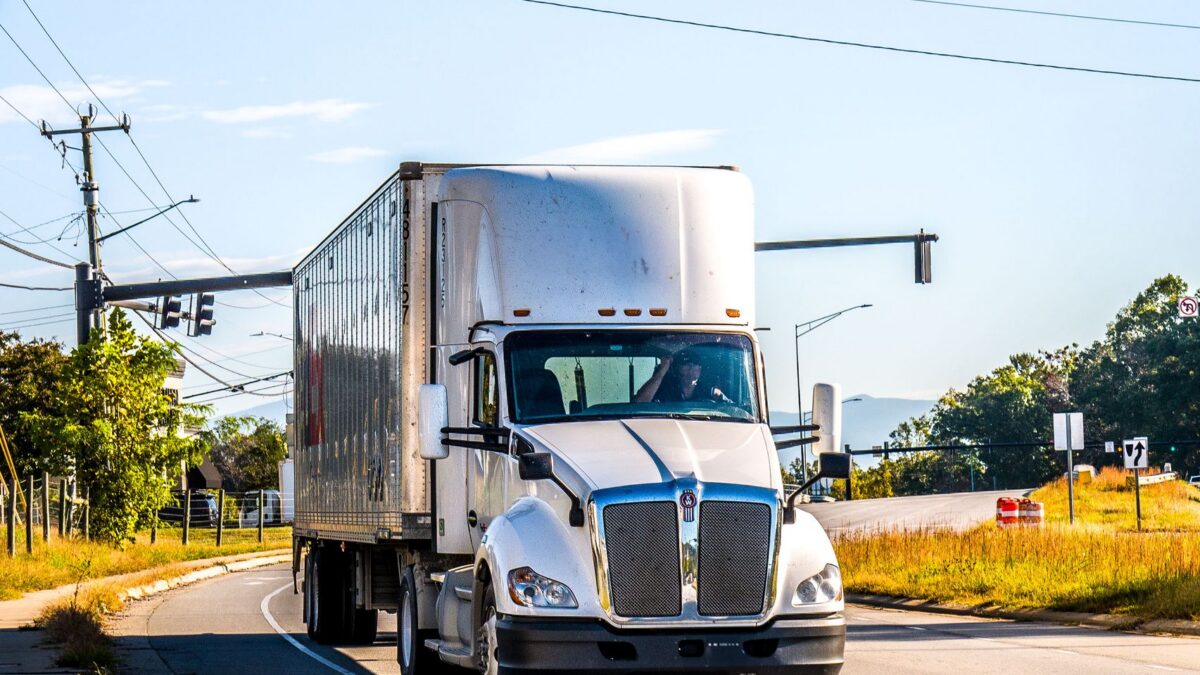
At least 40 trucking companies across the US filed for bankruptcy in September, according to BKwire, a firm that tracks bankruptcy data. That is a 38% jump from the same month a year earlier, and bankruptcy lawyers and logistics experts point to record diesel prices as one cause, especially for small operators.
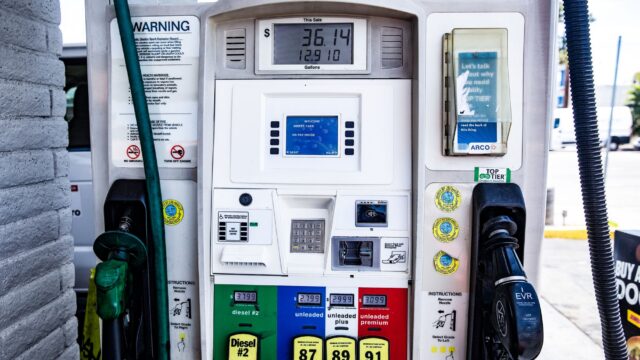
Truckers are paying around 70% more per gallon of diesel than a year ago, the Arkansas Democrat-Gazette reported. Prices climbed after a U.S.-Israeli attack authorized by President Donald Trump started the war in Iran in February. On Sept. 11, AAA recorded a national average of $6.05 a gallon, the highest ever logged at the time.
Why diesel hits small carriers first
Large fleets and companies with their own trucks, such as Walmart and Amazon, can absorb higher fuel bills. Big carriers also sign long-term contracts with fuel surcharges, so rising diesel costs get passed to customers, said Erich Muehlegger, an economics professor at the University of California, Davis, who studies transportation markets.
Small for-hire carriers have no such cushion. Last year they made up around 90% of the 580,000 active trucking companies in the US, according to an American Trucking Associations analysis of federal data.
Florida bankruptcy lawyer David Cruz said more trucking companies have contacted his office since the war started. When diesel climbs from under $4 to over $6 a gallon in a year and freight rates stay flat, he said, the owner covers the gap. He described a common trap: lenders repossess trucks once a company falls two or three payments behind, which leaves it no way to earn the money it owes. A bankruptcy filing triggers an automatic stay that halts repossession. Cruz also represents an Amazon delivery carrier that filed for Chapter 11 protection in September.
Desiree Wood, a former driver who leads the trade group Real Women in Trucking, said high fuel prices are “essentially a final nail in the coffin” for many small operators. She said that part of the industry grew fast during the early COVID demand surge and has been oversaturated since.
One Riverside County carrier’s collapse
Luis Escalante, 47, of Riverside County, Calif., started the small Southern California carrier A&B Transportation with a friend around 2016. At its peak the company had eight trucks and eight drivers. During the pandemic boom a round trip from Southern California to Texas could bring in $8,000 before expenses, he said, and he paid off a $100,000 maintenance loan quickly.
After demand cooled, newer competitors undercut rates, and the same Texas run paid only $2,600. Escalante borrowed around $200,000 to replace aging trailers and cover payroll, a move he now calls unwise. By the end of 2024 most of his drivers had left, and he and his co-founder were driving the trucks themselves. Three trucks were repossessed after missed payments.
He tried to buy fuel outside California, where taxes push prices higher, using a Pilot station on Interstate 10 just over the Arizona line. Even there diesel was close to $6 a gallon, and filling his 150-gallon tank cost about $900, more than a third of what he earned on a full Texas round trip. California prices had gone well past $5, then hit $6 and $7.
In April he and his wife decided on a Chapter 7 liquidation. He signed the filing on Sept. 11, the same day AAA logged the record $6.05 average. He now drives for another small company, hauling as far as the Upper Midwest for close to 65 cents per mile.
What it means for owner-operators
The squeeze comes from both sides: fuel costs have risen sharply while freight rates have not followed, and many operators carry high-interest loans taken on after the pandemic boom. Missing a few truck payments can end a business, because repossession removes the equipment needed to earn revenue.
Last month Trump signed an executive order that lets anyone buy red-dyed diesel, normally limited to off-road uses such as farming, and defers and may eliminate some taxes on that fuel. The order said it would “put money directly in the pocket of American farmers, truckers and workers.” For many truckers, the newspaper reported, that relief is not enough.
Source: Arkansas Democrat-Gazette