Trucking Bankruptcies Jump 38% in September as Diesel Tops $6
At least 40 trucking companies filed for bankruptcy in September, up 38% from a year earlier, as diesel passed $6 a gallon. Who is hit hardest and why.
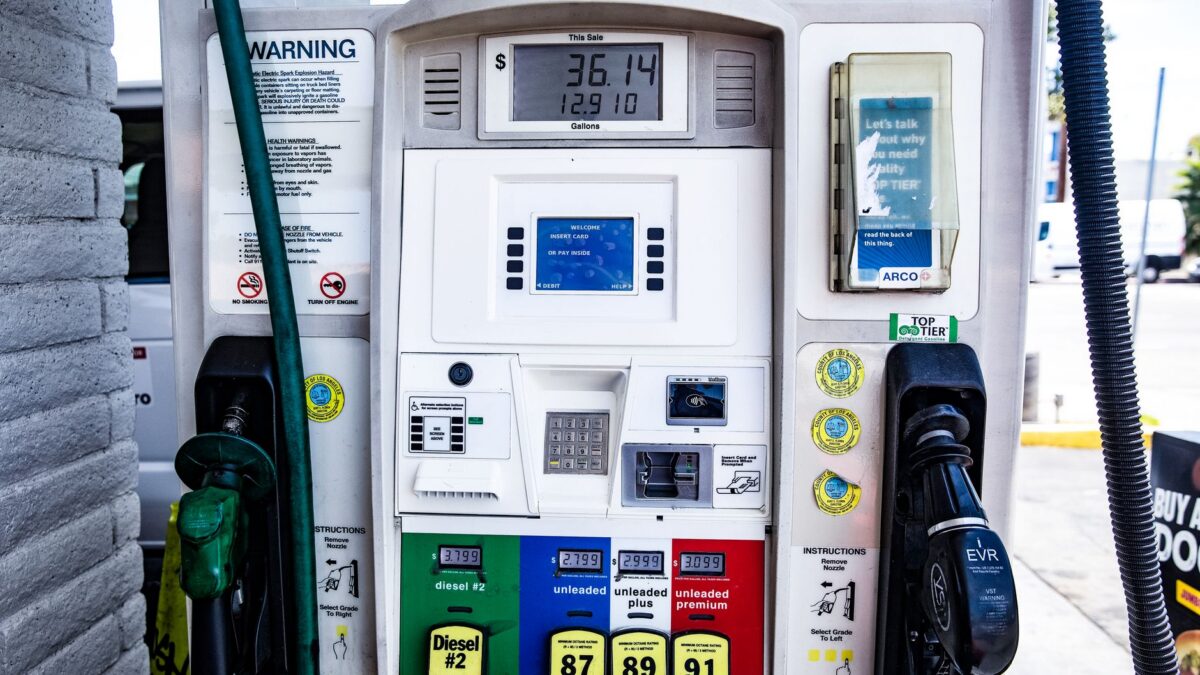
At least 40 trucking companies across the country filed for bankruptcy in September, according to BKwire, a firm that tracks bankruptcy data. That is a 38% increase over the same month a year earlier, and it comes as truckers pay around 70% more per gallon of diesel than they did a year ago, the Arkansas Democrat-Gazette reported.
Small carriers are taking the worst of it. Bankruptcy lawyers and logistics researchers quoted in the report point to record fuel costs as one cause of the failures, alongside an oversupply of trucks and low freight rates since the pandemic boom ended.
Diesel set a national record on Sept. 11
The fuel spike followed the start of the war with Iran in February. In California, diesel climbed past $5 a gallon and later reached $6 and $7. On Sept. 11, AAA recorded a national average of $6.05 a gallon, the highest ever logged at that point.
David Cruz, a Florida bankruptcy lawyer, said his office has heard from more trucking companies since the war began. He described the math simply: when diesel rises from under $4 to over $6 within a year and freight rates stay flat, the owner absorbs the gap. Cruz also represents a carrier that hauls for Amazon and filed for Chapter 11 protection in September.
One California carrier’s path to Chapter 7
A&B Transportation, a small Riverside County, Calif., company, filed on the same day AAA posted the record price. Its co-founder, Luis Escalante, 47, started the business around 2016. At its peak it ran eight trucks with eight drivers.
During 2020, Escalante said, a round trip from Southern California to Texas could bring in $8,000 before expenses, and he paid off a $100,000 maintenance loan. After demand cooled, new competitors undercut rates and the same run paid only $2,600. He borrowed around $200,000 to cover payroll and replace trailers. By the end of 2024 most of his drivers had left, and lenders later repossessed three trucks.
Fuel finished the job. Even buying in Arizona to avoid California taxes, Escalante paid close to $6 a gallon, and filling his 150-gallon tank cost around $900, more than a third of what a Texas round trip earned. In April he and his wife decided on a Chapter 7 liquidation, which closes a business and sells its assets. He now drives for another small company for close to 65 cents per mile.
Why it matters for small fleets
Last year small for-hire companies made up around 90% of the 580,000 active trucking companies in the US, according to an American Trucking Associations analysis of federal data. Those operators have the least protection from fuel swings.
Large carriers usually sign long-term contracts with fuel surcharges that pass higher diesel prices to shippers, said Erich Muehlegger, an economics professor at the University of California, Davis, who studies transportation markets. Retailers with private fleets, such as Walmart and Amazon, can also absorb the extra cost. A small carrier buying loads on the spot market often has neither cushion.
Cruz described a trap he sees often. Lenders repossess trucks after a carrier misses two or three payments, which removes the equipment the carrier needs to earn its way back. Filing for bankruptcy triggers an automatic stay, a court order that halts repossession while the case moves forward.
Washington’s fuel order
Last month President Donald Trump signed an executive order that lets anyone buy red-dyed diesel, fuel normally limited to off-road uses such as farm equipment. The order also defers some taxes on that fuel and may eliminate them. The order itself said the step would leave more money with farmers, truckers and workers.
Desiree Wood, a former driver who leads the trade group Real Women in Trucking, said the relief falls short for many small operators. She called rising fuel costs “a final nail in the coffin” for a segment that expanded quickly early in the pandemic and has been oversaturated since.
Source: Arkansas Democrat-Gazette