Proof of Delivery and OS&D: How to Note Overages, Shortages, Damage
Note overages, shortages and damage on the bill of lading before you sign, with exact counts and details. Steps, common mistakes and claim basics for drivers.
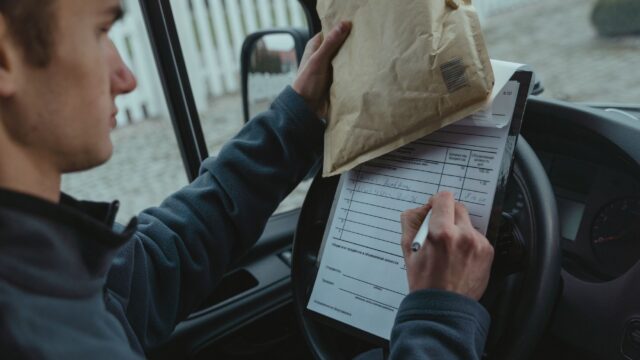
To note an overage, shortage or damage (OS&D) correctly, write the exact problem on the delivery receipt or bill of lading before you or the receiver sign, using counts and plain words such as “short 2 pallets” or “3 cartons crushed.” A signature on a clean proof of delivery (POD) tells the carrier, broker and shipper that everything arrived complete and undamaged, and it is very hard to take back later.
Overage means more freight arrived than the paperwork lists. Shortage means less. Damage means the freight arrived harmed in a way that can be seen. The notation protects the driver, the carrier and the owner-operator when a claim follows.
What counts as OS&D?
OS&D covers three situations, and each gets its own wording on the paperwork.
- Over: extra pieces, pallets or cartons that are not on the bill of lading.
- Short: fewer pieces than the bill of lading shows, or a pallet that arrived with missing cartons.
- Damaged: crushed, wet, torn, leaking, tipped or otherwise harmed freight, and broken or missing seals.
Some receivers also use the word “refused” when they will not accept a shipment. A refusal still needs a written reason on the paperwork.
When should the notation be written?
The notation belongs on the document before anyone signs it, at the dock, while the freight and the receiver are still in front of you. Notes added later, after the truck has left, carry much less weight because the receiver can say the damage happened afterward. If you cannot get the receiver to write or initial the exception, write it yourself, add the time, and take photos.
How do you write a clear exception?
A clear exception states what, how many and where. Vague words such as “damaged” or “possible shortage” invite disputes.
- Count the freight at the dock with the receiver and compare it with the piece count on the bill of lading.
- Write the count you found next to the count listed, for example “BOL 24 pallets, received 22 pallets, short 2.”
- Describe damage by type and amount: “4 cartons crushed, 1 pallet leaning, wet stains on shrink wrap.”
- Record seal numbers if the load was sealed, and note whether the seal was intact, broken or different from the number on the paperwork.
- Have the receiver sign or initial next to the exception, and get a copy that shows it.
- Photograph the freight, the labels, the damage and the signed paperwork before leaving.
What if the shipper loaded and counted the freight?
When the paperwork says “shipper load and count” (SLC) or “said to contain,” the carrier did not verify what was loaded, and that wording is meant to limit the driver’s responsibility for contents inside sealed cartons. It does not remove the need to note visible damage or a count that differs from the paperwork at delivery. If the load was sealed by the shipper and the seal is intact, say so in writing. If you were not allowed to watch the loading, a note such as “driver not allowed to count” or “loaded by shipper” can also help.
What should a driver do after noting an exception?
Tell dispatch or the broker right away, before delivering the next stop or leaving the facility if possible. Send the photos and a copy of the paperwork. Follow the carrier’s instructions about whether to wait, leave the freight, take it back or reconsign it. Keep every copy of the bill of lading, the signed POD and the photos, since a later claim will rely on them.
Claims are usually handled under federal rules known as the Carmack Amendment, which our article on freight claims, deadlines and proof explains. Owner-operators who carry their own liability exposure may also want to read how business structure affects it in LLC vs sole proprietorship for trucking. The Federal Motor Carrier Safety Administration publishes general rules for motor carriers.
What mistakes cause OS&D disputes?
- Signing a clean POD because the receiver is in a hurry.
- Writing “subject to inspection” without any detail, which a claims department can treat as no exception at all.
- Counting pallets but not the cartons on them.
- Leaving without a copy of the signed paperwork.
- Skipping photos, or taking only close-ups with no label or trailer number in view.
- Telling dispatch by phone only, with nothing in writing.
Quick answers
Can I refuse to sign the proof of delivery?
You can sign it with the exception written on it. Refusing to sign at all can hold up the delivery and leave you with no record, so a signed note with the exact problem is usually the safer record. Follow your carrier’s policy and call dispatch if the receiver will not accept the note.
What is the difference between an overage and a shortage?
An overage is extra freight beyond the bill of lading. A shortage is missing freight. Both need a written count, because both can lead to a claim or a correction of the paperwork.
Do photos replace the written note?
No. Photos support the written note but do not replace it. The note on the signed paperwork is the main record, and the photos show what it describes.
How long do I have to file a claim?
Time limits depend on the contract and the bill of lading. Check the deadlines in your own paperwork and with the carrier or a transportation attorney, and act quickly.