Port Strike Truckers: Gates, Appointments and Detention Pay
During a port strike, terminal gates close or slow, appointments get cancelled and truckers lose paid time. Here is how to protect your pay.
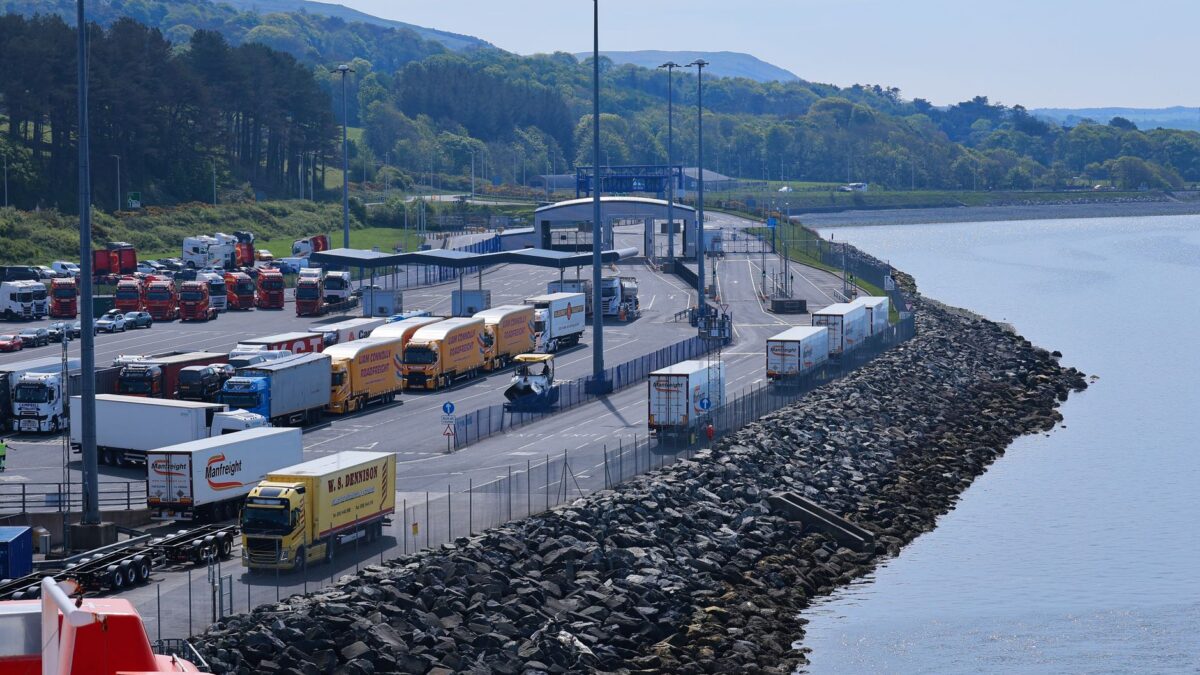
During a port strike, truckers can be turned away at terminal gates, lose their appointments and sit with a loaded or empty chassis while the clock runs with no guaranteed pay. Drayage drivers feel it first, because every move they make starts or ends inside a marine terminal. Whether you get paid for the wait depends on your contract with the motor carrier or broker, not on the strike itself.
What happens at the terminal gates during a port strike?
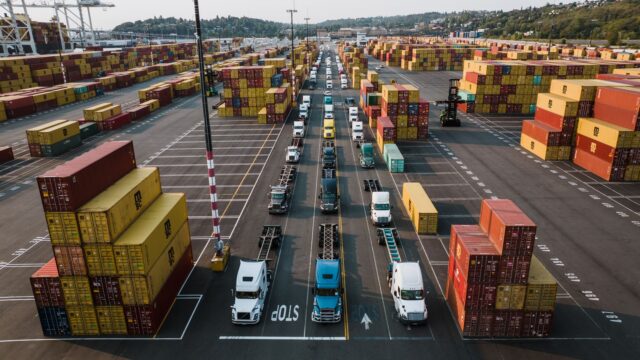
Gates either close, run on a reduced schedule or stay open while the cranes and yard work stop. Each outcome is different for a driver. With a full shutdown, no containers are picked up and no empties are returned. With a partial one, a terminal may keep a few gate lanes open but stop moving boxes from the stack, so trucks queue for a container that never comes out.
Picket lines are a second issue. Drivers who work for a trucking company, not the port, can usually reach the gate, but some will not cross a line and some carriers tell them to stay home. That is a decision for the carrier and the driver, and a driver should never be penalized in writing for a safety concern at a gate.
Do appointments still count during a strike?
Usually not. Most big terminals run on appointment systems, and a stoppage cancels or reshuffles those slots. When work resumes, the terminal rebuilds the schedule, often putting vessel-related moves and the oldest bookings first. Your original time is not guaranteed.
Check the terminal’s appointment system before you leave the yard, not after you arrive. Take a screenshot of the confirmation and of any cancellation notice. Those records matter later if a dispute starts about who caused a missed pickup. The basics of how slots, chassis and fees fit together are covered in how port drayage works.
What happens to containers that are already on the dock?
They stay where they are. Import boxes keep sitting in the stack, and the free time that shipping lines and terminals give before charges start does not always pause for a strike. Some lines and terminals announce extended free time or waive fees during a shutdown, and some do not. Whether charges apply is the line’s or terminal’s call, and the customer who owns the cargo is normally billed.
The Federal Maritime Commission publishes rules on how ocean carriers bill demurrage and detention, including what a bill must contain and who it can be sent to. The Federal Maritime Commission is the place to look if a charge seems wrong. The difference between port-side fees and truck-side fees is explained in demurrage vs detention.
A wait at the terminal does not stop at the gate either. When a work stoppage ends, ports often face a backlog, and boxes can wait days to move by rail or truck, as shown in the figures on rail container dwell at Los Angeles and Long Beach.
Who pays truckers for waiting?
The motor carrier pays the driver, and the carrier recovers money from the customer only if their agreement allows it. Three situations are common:
- Company drivers paid by the hour are paid for time on duty, including waiting, under the company’s pay policy.
- Drivers paid by the load or by the move often get nothing for a wasted trip unless the carrier has a detention, layover or cancelled-load rule.
- Owner-operators are paid what the contract says. If it says nothing about strikes or terminal closures, the dispute is about the general detention terms.
Strike-related waiting is often argued as outside the shipper’s control, so some customers refuse to pay for it. Get the rule in writing before the next dispatch. A line in the rate confirmation, an email from dispatch or a text from the broker all count as a record.
How should a driver prepare before a strike deadline?
Do these before the strike date:
- Ask dispatch how waiting time, cancelled moves and unused appointments will be paid.
- Confirm whether the chassis and container must go back by a certain time, and who pays per diem if they cannot.
- Track on-duty time while you wait. Time in a terminal queue counts toward federal hours-of-service limits, which are set out on the Federal Motor Carrier Safety Administration site.
- Note gate in and out times, container and booking numbers, and the names of anyone who gives instructions.
- Do not leave a loaded container at an unauthorized lot without a written instruction from the carrier.
A deadline that gets pushed back changes all of this. When the union moved its date once, as in the report on the Los Angeles and Long Beach strike deadline, carriers had to decide again whether to keep trucks on the road. Plan for the date moving earlier or later.
What happens when the strike ends?
Terminals reopen in stages. The first days bring long queues, tight appointment windows and heavy demand for chassis. Drivers who were waiting before the strike often get the first slots, but nothing in the system promises that. Turn times run longer than normal, and shippers are often short on dock space too. A similar squeeze appears around holidays, when shipper closures and dock appointments shrink the number of delivery windows.
Quick answers
Can a trucker be fired for refusing to cross a picket line?
It depends on the employer, the contract and the situation. A union agreement may protect the refusal, while a non-union driver has fewer protections. Ask the carrier for its policy in writing and keep records of any instruction you were given.
Does a closed gate count as detention?
Only if the detention terms in your agreement say so. Many agreements start detention after a set number of free hours at a facility, and a closed or backed-up gate can count as time at the facility if the clock started when you arrived. Keep your arrival time.
Are drivers owed money for a cancelled appointment?
No law sets a standard amount. Pay for a cancelled move comes from the carrier’s policy or your contract. Some carriers pay a flat amount for a wasted trip, and others pay nothing, which is why the question belongs in the conversation with dispatch before the strike starts.