511 Road Conditions for Truckers: Checking Closures and Chain Controls
511 road condition systems show winter closures, chain controls and truck restrictions by state. How to check them by phone, website and app before a trip.
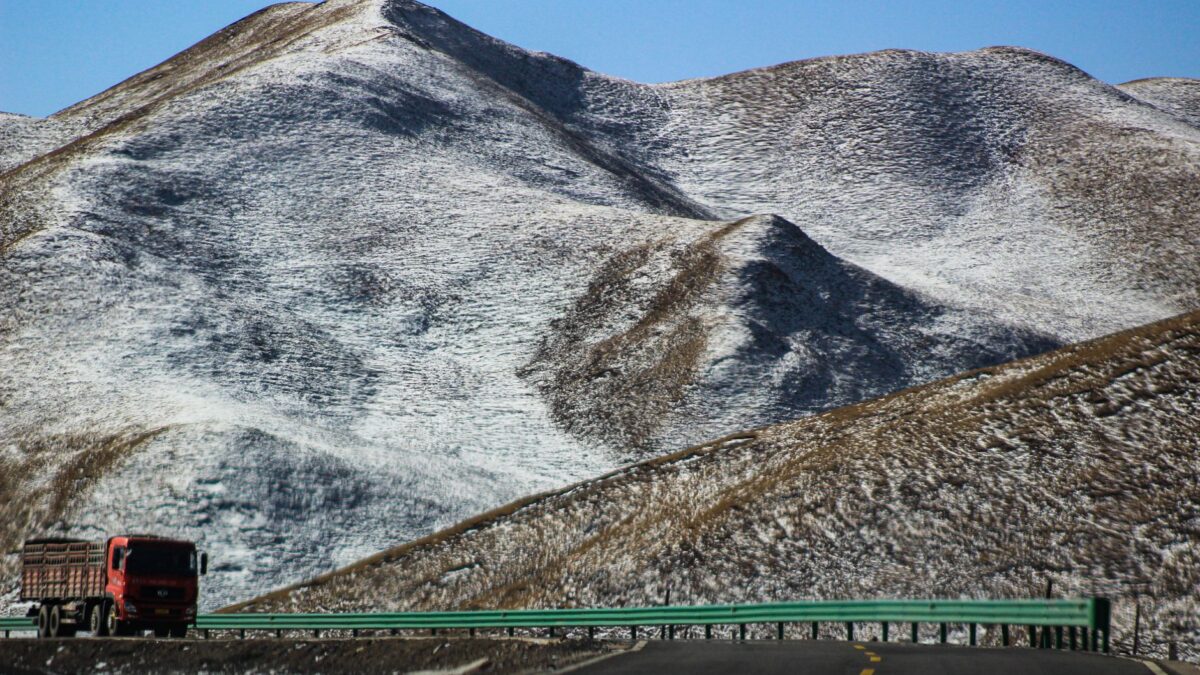
A 511 system is a state’s official traveler information service, reachable by dialing 511 from a phone inside that state or by opening the state’s 511 website or app. For truck drivers, it is the fastest official way to see winter road closures, chain control levels, commercial vehicle restrictions and pass conditions before leaving a terminal or truck stop. Each state runs its own 511 system, so a cross-country trip means checking several of them, one for every state on the route.
What is 511 and who runs it?
511 is the national three-digit number set aside for travel information in the United States, and each state department of transportation (DOT) runs its own service behind it. Most states now offer three ways in: a phone line, a website with a map, and a mobile app. Some states brand the service with their own name. Colorado uses COtrip, California uses Caltrans QuickMap, and Oregon uses TripCheck, though dialing 511 still works in those states.
Because the systems are state run, coverage stops at the state line. A road closed in Wyoming will show on the Wyoming system, and the Nebraska system may say nothing about it.
What information can truckers get from 511?
A typical 511 map shows the same road information the state DOT uses for its own crews. Common layers include:
- full road closures and the reason, such as a crash, avalanche control or blowing snow
- chain control or traction law levels on mountain passes
- commercial vehicle restrictions, such as “no trailers” or “no light, high-profile vehicles” during high winds
- road surface conditions, often color coded from dry to snow and ice covered
- live traffic cameras at passes and major junctions
- construction work zones, lane closures and width or height limits
- weather stations with wind speed and pavement temperature
- rest area and truck parking status in some states
The cameras are often the most useful layer in winter. A snapshot from the summit tells you more about the actual surface than a color on the map.
How do you check chain controls before you roll?
Open the state’s 511 map, turn on the chain control or traction law layer, and look at every pass on your route, including the ones on alternate routes you might be detoured onto. Then check the matching rule for commercial vehicles, because chain levels apply differently to trucks than to cars.
- Plan the full route and list every state and mountain pass on it.
- Open each state’s 511 site or app and switch on the chain, traction and restriction layers.
- Read the exact level posted at each pass, not just the color.
- Check the state’s chain law to see what that level requires of a truck your size.
- Look at the summit camera and the weather station for wind and pavement temperature.
- Recheck before you leave and again at your last safe stop before the climb.
In California, for example, chain controls are posted as levels R1, R2 and R3, and trucks are generally required to chain at the first level, while cars with snow tires may not have to. Colorado posts a Commercial Vehicle Chain Law in levels, and trucks on Interstate 70 in the mountain corridor must carry chains during the winter season even when the law is not active. Our guide to truck chain laws in California, Colorado, Washington and Oregon covers what each level means for a tractor-trailer.
Why check 511 before the trip and not just on the road?
Winter closures can last hours, and the best place to wait one out is a truck stop with parking, fuel and food, not the shoulder below a closed pass. Checking 511 before you roll lets you plan your hours of service around a known closure, pick a safe spot to stop, and call the receiver early if the load will be late.
Ignoring a posted chain requirement is also expensive. States run chain checkpoints at the bottom of major passes, and troopers write citations to trucks that come through without chains. In one check on Interstate 70, Colorado troopers issued 262 citations near Dotsero.
How do you use 511 safely while driving?
Use the phone line or the app’s audio mode only when hands-free, and do most of your checking while parked. Federal rules bar commercial drivers from holding a mobile phone while driving, and the Federal Motor Carrier Safety Administration limits drivers to hands-free use. Many 511 apps can read alerts aloud along your route, which lets you get updates without touching the screen.
Good habits for using 511 on the road:
- Set the route or favorite corridors in the app before you start your shift.
- Pull into a rest area or chain-up area to look at cameras and maps.
- Remember that 511 phone menus are state specific, so dial again after crossing a state line.
- Treat signs on the road as the final word if they differ from the app, since conditions can change faster than the map updates.
What does 511 not tell you?
A 511 system shows public road conditions, and it will not cover everything a trucker needs. It does not check the condition of your own equipment, so cold-weather problems such as frozen air brakes or diesel fuel gelling still need their own preparation. Updates can lag behind fast-moving storms, and some rural roads and county routes have little or no coverage. Private truck stop parking and customer facility closures are usually not shown either.
Use 511 together with the National Weather Service forecast for the area, your dispatcher, and other drivers’ reports, and give the most weight to official signs and law enforcement on the spot.
Quick answers
Does dialing 511 work in every state?
Most states run a 511 phone service, but the menus and coverage differ, and a few rely mainly on their website or app. Check each state’s DOT site when planning a multistate route.
Is a 511 app free?
Yes. State 511 phone lines, websites and official apps are free to use, although normal phone data and call charges from your carrier still apply.
Do 511 chain levels apply to trucks the same way as cars?
No. Many states require commercial vehicles to chain at a lower level than passenger cars, so always read the commercial vehicle rule for the level posted.
How often is 511 updated?
State DOTs update closures and chain controls as crews report them, and cameras usually refresh every few minutes, so check again right before you climb a pass.