Mexico Cargo Security: Why Parked Trucks Get Hit and What Shippers Require
Parked trucks are the easiest cargo-theft target on Mexico lanes. See why thieves pick them and which security rules shippers set for carriers.
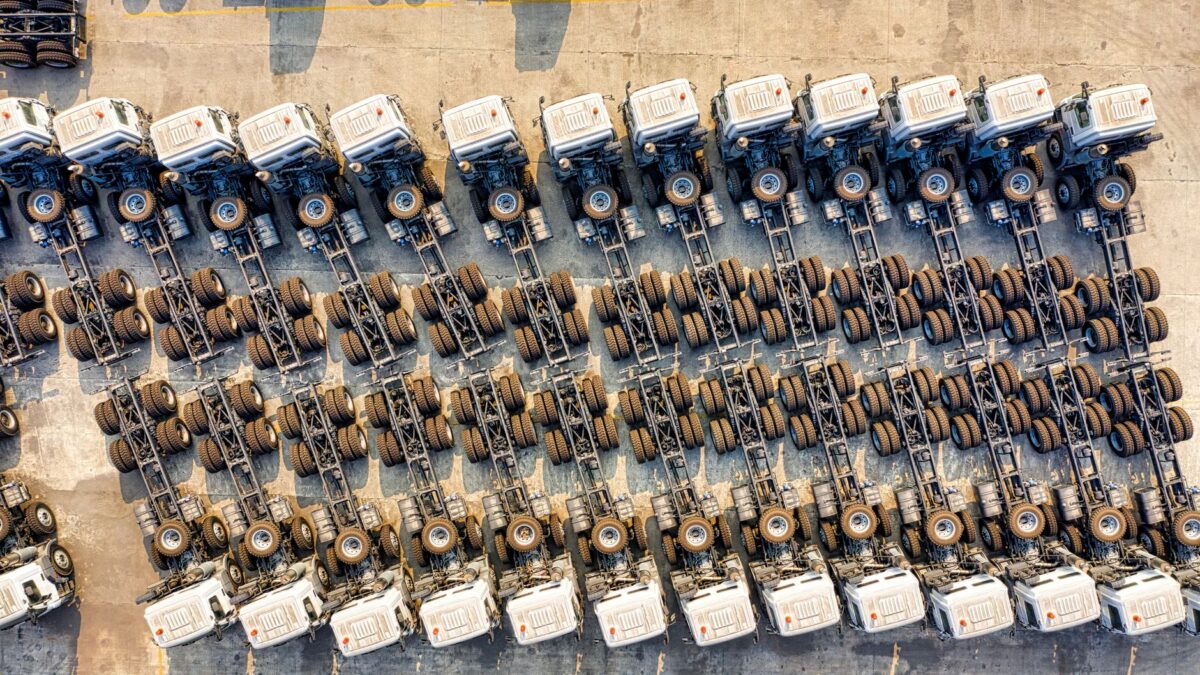
Parked trucks are targeted on loads into Mexico because a stopped, loaded trailer is the easiest cargo to steal: the driver is away from the cab, the load is not moving, and thieves can often work unseen for several minutes. Shippers respond with rules that limit when, where and how long a truck may stop, and with tracking, sealing and parking requirements written into the carrier agreement.
This article explains why parking is the weak point and what security conditions carriers should expect before they accept a load. For the latest figures, see the news report on how often parked trucks are hit in Mexico cargo thefts.
Why are parked trucks the main target?
A moving truck is hard to steal from. A parked one is not. Several things make a stop attractive to organized theft groups.
- The trailer is full and the contents are often easy to resell.
- The driver is asleep, eating or in a restroom, so nobody is watching the doors.
- Stops at fuel stations, roadside lots and shoulders follow predictable patterns, so thieves can watch for them.
- A cut lock, a swapped seal or a hooked-up tractor can be done quickly, and by the time a driver comes back the load may be gone.
Thieves also look for trucks that stop outside planned locations. A truck that parks at an unscheduled place, or at the same roadside spot as many others, stands out to anyone who is watching.
Which stops carry the most risk?
Unplanned stops are the riskiest. These include a pull-over because of fatigue, a stop at an unfamiliar lot, a shoulder stop to check a tire and a long wait for a delivery window. The longer a truck sits with a full trailer in an unsecured place, the more exposed it is.
Overnight stops are the highest risk, since the driver is asleep and the lot may be poorly lit. Most shipper security programs therefore aim to remove unscheduled and overnight stops from the trip plan as far as possible.
What security rules do shippers set for carriers?
Requirements differ by shipper, commodity and lane, but the same elements appear in many carrier security programs.
- Approved routes and parking. The load moves on a set route and stops only at pre-approved, secured or guarded lots.
- Real-time GPS tracking on the tractor and, for high-value freight, on the trailer, with alerts for route deviations and unscheduled stops.
- Driving windows that avoid night movement on high-risk stretches.
- Tamper-evident seals recorded at pickup and checked at every handoff.
- Driver check-ins at agreed points, and no sharing of load details with anyone outside the dispatch chain.
- Vetted drivers and equipment, and in some cases team driving so the truck rarely sits idle.
- A written plan for what the driver does after a theft attempt or a suspicious approach.
Shippers that want closer control sometimes add escorts or dedicated fleets. For background on how shippers work with carriers on service and risk, read this report on how shippers are rebuilding ties with carriers.
What can a carrier do before dispatch?
Plan the whole trip, including fuel and rest stops, before the truck leaves. Check that the parking location is on the approved list, that seals are logged and photographed, and that the driver knows who to call. Confirm that tracking works before the wheels turn, since a device that fails in transit leaves no record of where the truck went.
Carriers should also read the shipper’s security requirements in full and ask for clarification on anything unclear. Agreeing to a requirement that the fleet cannot meet is a contract risk, because a theft claim can turn on whether the carrier followed the written conditions.
Where can you check official guidance?
Border and customs procedures are set by government agencies. U.S. Customs and Border Protection publishes cross-border trade information at CBP, and the U.S. Department of State posts travel advisories at travel.state.gov. Drivers and dispatchers should check these before planning a Mexico run, and follow their company’s rules over any general guidance.
Quick answers
Is a locked trailer enough?
No. A lock slows a thief but does not stop a trailer being hooked up and driven away. Shippers pair locks and seals with tracking and secure parking.
Should a driver ever stop at an unplanned place?
Only for a real safety reason, such as a mechanical problem or fatigue. The driver should tell dispatch right away, share the location and move to a secured lot as soon as it is safe.
Who pays when cargo is stolen?
It depends on the contract, the cargo insurance and whether the carrier met the shipper’s security conditions. Carriers should read their agreements and insurance terms before they accept a load.