Meta Backs 25 Nevoya Electric Trucks on I-10 Phoenix Lane
Meta will buy certificates tied to 25 Nevoya electric trucks between San Bernardino and Phoenix from 2027. How the deal works and what chargers it adds.
A Meta purchase of emissions certificates will put 25 Nevoya battery-electric Class 8 tractors on the San Bernardino, California, to Phoenix run of I-10, FreightWaves reported. Nevoya, which hauls truckload freight with electric rigs, made the announcement Thursday. It plans to start the trucks in 2027 and expects them to log roughly 4 million miles of freight each year.
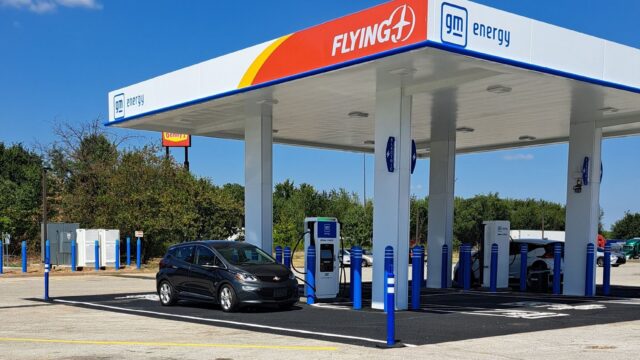
Chargers come with the deal. Nevoya says any carrier using the corridor will be able to plug in, and Meta says the stations will stay in place permanently with open access.
Meta signs alone this time
This is the second time Meta has put money behind Nevoya. The first was in Texas, where Meta joined other buyers in an alliance run by the Center for Green Market Activation; their combined certificate buying supports 63 Nevoya trucks running Houston to Dallas. In September, Google committed to 25 of the Texas units, which it said would add up to about 11 million miles annually. On I-10, Meta is the only buyer.
Price and term were kept private by both sides. Meta posted the news on its newsroom page next to deals for low-carbon cement and near-zero-emission steel, all part of an effort to shrink the carbon cost of building its data centers. That post also mentioned earlier Meta support for zero-emission freight with NFI in Virginia.
Nevoya closed a $9.3 million seed round in July 2025 and first said in August 2025 that it wanted to run electric trucks on I-10. According to the carrier, the new contract lets Meta bring on further corridors down the road. John Verdon, Nevoya’s co-founder and chief commercial officer, said the company plans to keep repeating the model “corridor by corridor.”
How Meta pays for freight it never ships
None of Meta’s own cargo rides on these tractors. Other shippers’ loads fill them, and Meta buys certificates representing the clean-energy benefit of each electric mile. Companies use these certificates to count emission cuts in their wider supply chains, shipping among them, Nevoya’s announcement said.
The industry name for this is book and claim. Smart Freight Centre, a nonprofit running the Texas program jointly with the Center for Green Market Activation, laid out in a December 2025 white paper how a cleaner shipment’s climate benefit can be recorded and credited separately from the truck that carried it. CCJ reported in January that an outside accredited auditor confirms the emissions savings on the Texas lane while Nevoya operates it. No auditor has been named for I-10.
Meta is aiming at scope 3 emissions, the ones produced by its suppliers and partners. Its 2025 Sustainability Report put them at 99% of the 8.2 million metric tons of carbon dioxide equivalent the company was responsible for in 2024. Devon Lake, who leads net zero strategy at Meta, said hauling is one source of the carbon tied to constructing and operating its data centers.
What it means for carriers on I-10
Fleets sizing up electric semi trucks and how they charge will care most about the plugs. Power drawn by the 25 Nevoya trucks will be offset 100% with renewable energy certificates, and the sites are meant to serve any operator on the highway. Locations and a charging partner have not been announced.
The route matters for data center work too. Nevoya’s announcement calls I-10 an important path for building materials headed to data center projects across the southern states. FreightWaves SONAR estimates that U.S. data center construction will generate 18.9 million extra truckloads between 2026 and 2031.
What to watch next
Two Nevoya lanes now have certificate buyers. The Texas project, with all 63 trucks, is scheduled to be running in early 2027, which will show whether certificate revenue can carry an electric fleet. The I-10 tractors are also due to start in 2027.
Source: FreightWaves