New STG Logistics CEO Jack Holmes Targets Intermodal Growth
STG Logistics CEO Jack Holmes, named Oct. 5, plans to invest in intermodal and technology after bankruptcy. What it means for drivers and shippers.
Jack Holmes, the former CEO of UPS Freight, took over as CEO of STG Logistics on Oct. 5, just weeks after the multimodal company came out of bankruptcy. He told FreightWaves he plans to put money into intermodal assets and technology while resetting the company’s culture.
Holmes had been retired for 10 years. He said a restructured balance sheet, owned intermodal assets and favorable market timing made the job too good to turn down.
Seven businesses under one name
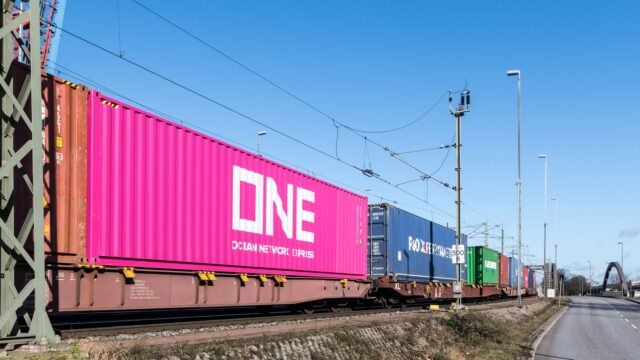
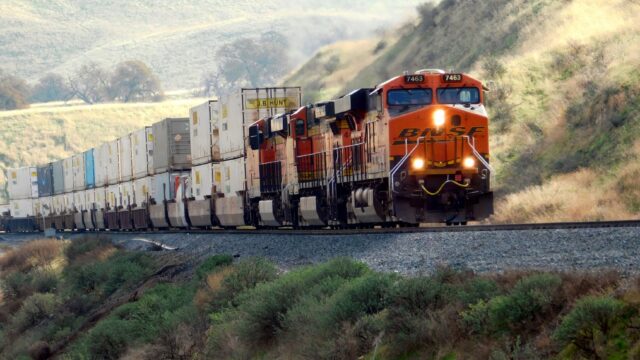
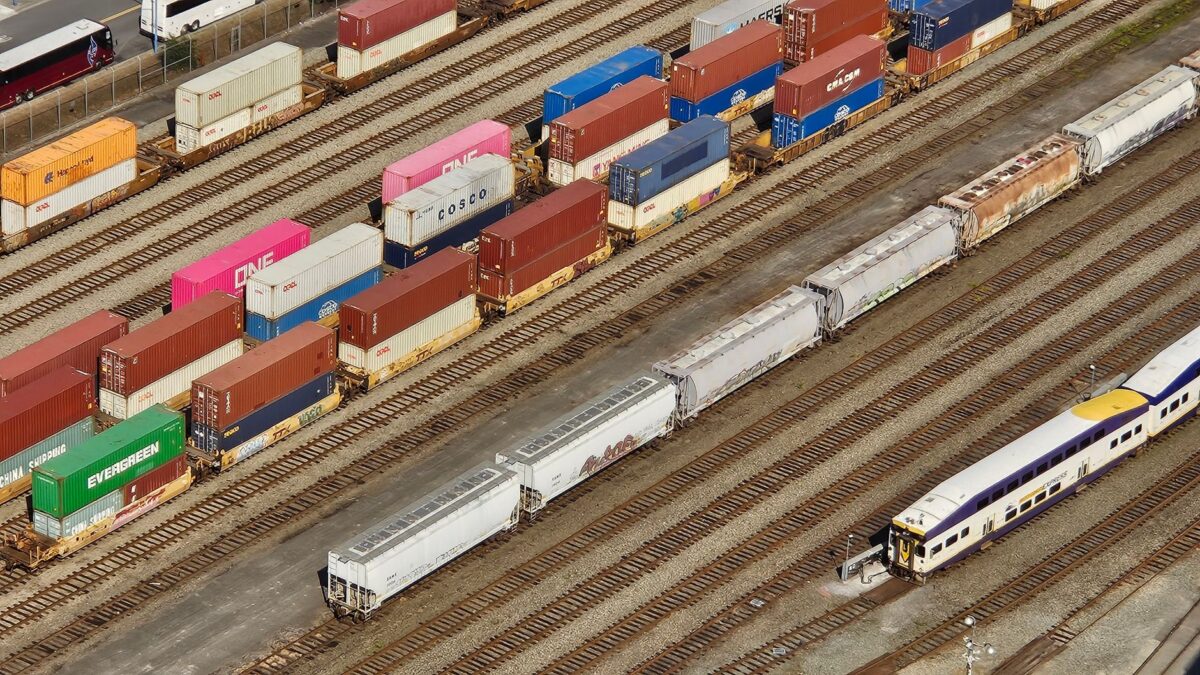
Holmes described STG as seven companies rather than one, and he sees that as a strength. The group includes the original St. George warehousing and transload operation, a contract logistics unit serving major retailers, a freight brokerage, a drayage division and a deferred LTL product. It also has an intermodal business built on the old Pacer stack train network, and Freight Force, which Holmes said runs on a model similar to commercial airline freight.
His first task is to give customers a similar experience across all of them. Once that is in place, he said, each unit can help grow the others.
Why intermodal comes first
Holmes named intermodal as a priority for investment. He argued that rail has rarely had a stronger case against trucking, pointing to driver capacity constraints and elevated fuel costs. In his words, people moving freight over highways are “more challenged than they’ve ever been,” and he said that will not change soon. He also dismissed autonomous vehicles as a near-term fix because of regulatory barriers.
The deferred LTL product is also well placed in the current rate environment, Holmes said. Years of excess capacity kept standard LTL cheap and reliable, but he said shippers now pay more and get lower service levels. A deferred option priced well below standard LTL fills a gap that keeps widening, he argued.
Technology plans
Holmes described a two-phase approach. First, each business unit gets tools to compete in its own vertical, since drayage, intermodal and deferred LTL face different competitors. Later, he wants to cut the more than seven technology platforms now in use across the portfolio to a small number. He did not promise that a single platform is achievable.
Why it matters for drivers and shippers
For drivers and owner-operators, the plan is a bet that highway capacity will stay tight and that more freight will shift to rail and drayage. Holmes himself cited driver shortages and fuel costs as lasting advantages for intermodal. Drayage is one of the units he wants to equip with better tools, so regional haulers that work with STG could see changes in how that work is handled.
For shippers, the deferred LTL pitch offers a cheaper option at a time when Holmes says standard LTL costs more and delivers less.
A change in mindset after bankruptcy
Holmes called the internal challenge a “paradigm shift.” He said the management team spent years in survival mode, and compared that mindset to a household buried in credit card debt where every decision is about getting through the day. With a clean balance sheet, he said, the work of rebuilding culture and long-range planning has started. He added that peers and competitors at recent investor conferences have described STG as a “sleeping giant.”
Source: FreightWaves