Railroads Set Intermodal Record in October, Up 9.6% on Year
U.S. railroads moved a record intermodal volume in October, up 9.6% from a year earlier, the AAR says. See what drove it and what it means for truckers.
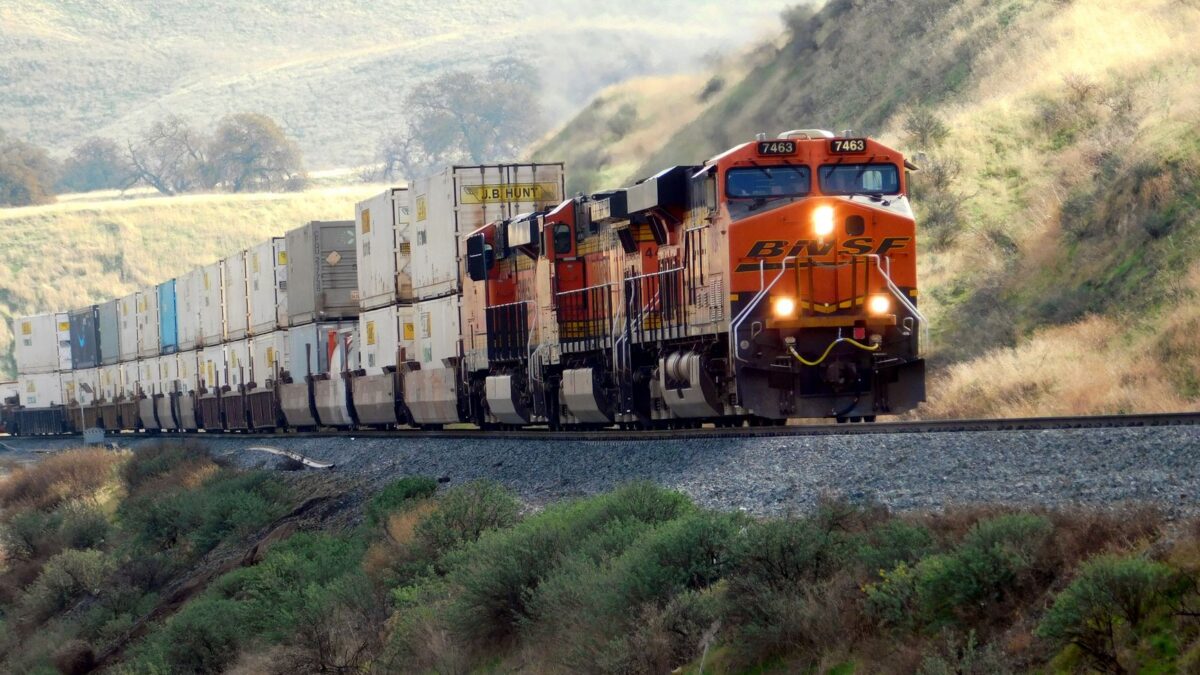
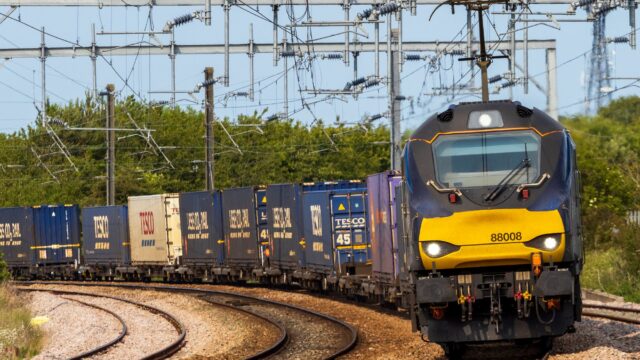
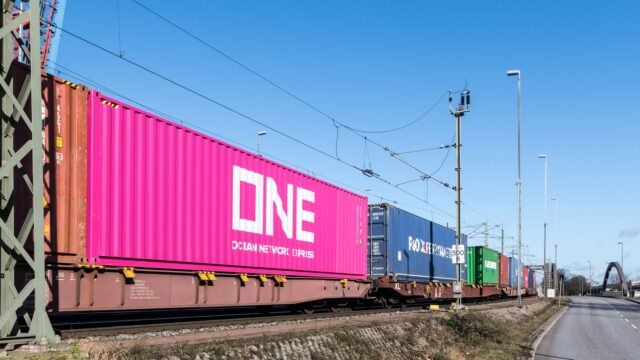
U.S. railroads handled more intermodal freight in October than in any month on record, according to the Association of American Railroads (AAR). Volume climbed 9.6% from a year earlier, and the weekly average passed 298,000 containers and trailers.
Intermodal is freight that travels in a container or trailer on a train for the long haul, usually with trucks covering the first and last legs. For drivers and small carriers, the AAR’s report adds a factor to watch: it says the cost and availability of trucking helped push more boxes onto rail. How rail intermodal works explains where the truck legs fit in.
A record run for containers and trailers
The AAR said the last three months were the three strongest intermodal months it has recorded. October is usually the busiest stretch of the year because retailers stock up for the holidays, and this one contained the first-, third- and fifth-busiest intermodal weeks ever measured. Through October, intermodal traffic was 4.7% above the same period last year, which puts the industry on pace for an annual record, the association said.
The AAR gave several reasons for the growth. Truckers face higher diesel, insurance and maintenance costs, and fewer drivers are available because of a federal crackdown. Rail service has also performed well. Steady consumer spending and inventory rebuilding at some retailers added demand.
Carloads rise across most categories
Total carloads grew 3.4% in October, the biggest percentage gain in eight months. Excluding coal, carloads rose 4.5%. Fifteen of the 20 carload categories the AAR follows were higher than a year earlier, and 16 are ahead for the first 10 months of 2026. The association read that spread as a sign of industrial strength and not merely freight moving off highways.
- Motor vehicles: U.S. carloads rose nearly 10%, or about 5,900 shipments. With Canadian and Mexican railroads included, the gain was more than 8,000 carloads, or 9%, the largest percentage increase since December 2023. Vehicle carloads are only slightly higher for the year to date.
- Petroleum products: the highest since February 2020.
- Iron and steel scrap: the strongest since September 2008.
- Steel products: the best October since 2018. Grain mill products set an October record.
- Chemicals: the fastest growth in seven months. The AAR said an annual record is virtually certain.
Grain is still the largest source of carload growth this year, up about 10%, or 92,000 carloads, through October. October grain shipments fell from a year earlier for the first time in 12 months. The report ties grain swings mostly to exports, which rose 13% by volume in the first half of 2026 and then declined in the third quarter.
Coal edged up in October after seven straight monthly year-over-year declines, but it is still down 1.6% for the year. The AAR said inflation-adjusted natural gas prices averaged about 25% below their average of the past decade, measured over the preceding six months, which makes gas-fired power more competitive with coal.
Why it matters for trucking
Intermodal is a direct competitor for long-haul truck freight, and the AAR names trucking costs and the driver shortage tied to the federal crackdown among the reasons shippers are using rail. At the same time, the broad rise in carloads suggests overall freight demand is firm, which the association describes as resilient despite inflation, higher interest rates and weak consumer confidence.
The AAR Freight Rail Index, which leaves out coal and grain and adjusts for seasons, hit its second-highest level on record in October. Railcars in storage fell for the eighth time in nine months, to 17.5% of the North American fleet, the lowest share since December 2022.
The economic backdrop and what to watch
The AAR noted that consumer prices in September were 23% higher than five years earlier, and that rising interest rates and housing affordability problems still weigh on households. It also cited preliminary third-quarter GDP growth of 3.4%, an unemployment rate of 4.1% and an initial October payroll gain of 165,000 jobs. Manufacturing PMI stayed in expansion territory for a 10th straight month.
The association cautioned that policy changes after the midterm election could create uncertainty. Even so, it expects rail volumes to keep growing into 2027.
Source: FreightWaves