Mexico Truck Imports Rise Nearly 50% in Value, Tonnage Stays Flat
Truck imports from Mexico rose nearly 50% in value in September while tonnage stayed flat. What the BTS data means for cross-border loads and carriers.
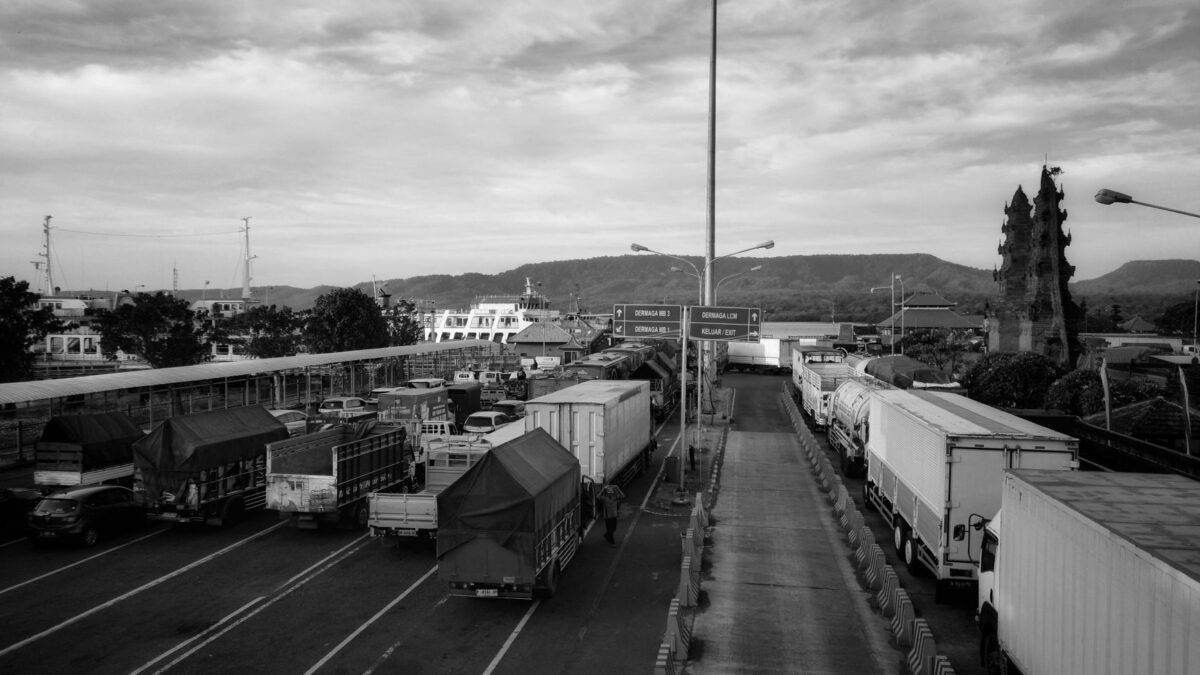
Truck imports from Canada and Mexico were worth nearly $68 billion in September, more than 32% above a year earlier, according to the Bureau of Transportation Statistics. The weight of that freight was flat, which means the dollar gains are not bringing carriers more loads.
Land Line, which reported the figures, said the gain comes from higher-value cargo. A truck hauling expensive goods still counts as a single load, and the number of loads crossing the border has not grown.
Mexico and Canada moved in opposite directions
The two borders look very different once the numbers are split. Truck tonnage was flat at both. The value of truck imports from Canada fell 2%, while the value of imports from Mexico rose nearly 50%.
Computer-related goods account for much of the Mexican jump. The import value of that category more than doubled, while its tonnage rose 12%. Land Line points to artificial intelligence as a possible driver: as manufacturing shifts from China to Mexico under nearshoring, many components for the data center buildout now arrive through the southern border. Dense, expensive parts like these push trade values up without adding much weight to trailers.
What it means for freight demand and rates
Freight rates have climbed this year, but Land Line attributes the increase to shrinking capacity rather than stronger demand. The border data fits that view for Mexican freight. Truck crossings at the southern border are down 4% from last year.
For carriers watching for a freight recovery, the uneven growth makes the picture harder to read. Rising trade values at the border do not mean more trucks are needed to move the goods.
Openings for U.S. carriers on the southern border
Even without a broad rise in volume, U.S. owner-operators and motor carriers may find more work at the border. About 25,000 Mexican truck drivers have lost their B-1 visas since April 2025, according to Land Line.
Shippers are also changing how they move freight. Kyle Toombs, senior vice president of capacity solutions at Uber Freight, told Land Line that higher-value goods once moved in through-trailer service are now being transloaded. Instead of using one trucking company with a network in Mexico, more shippers will hire a Mexican carrier to bring a load to the border and a separate U.S. carrier to haul it from there. The U.S. leg of such a move falls under the usual rules for cross-border trucking with Canada and Mexico.
Higher-value loads bring extra requirements
These loads usually come with conditions beyond the basics for owner-operators. Shippers of high-value cargo typically require cargo insurance limits well above what most brokers ask for. Trailer locks approved by the Transported Asset Protection Association (TAPA), a cargo security group, are common on high-risk, high-value freight. Land Line also notes that cargo thieves have become more organized and are going after high-value shipments.
Data center politics could slow the trend
Political opposition could limit future data center construction, which would affect the component flow behind the Mexican numbers. In the midterm election, voters rejected data center development in all but one of 41 local ballot measures, and many winning candidates promised a moratorium on new data centers.
Source: Land Line