LRR Tires Save Fleets $3,000 to $5,000 per Set, MVT Solutions Says
Fleets keep buying low-rolling-resistance tires after the greenhouse gas rule rollback. How MVT, Nussbaum, ABF and NFI weigh fuel savings and tread life.
High diesel prices are keeping trucking fleets on low-rolling-resistance (LRR) tires, even after the Trump administration rolled back heavy-duty greenhouse gas emissions rules earlier this year, Transport Topics reported. MVT Solutions, a fuel economy testing company, says a set of LRR tires can save a fleet $3,000 to $5,000 in fuel over its life.
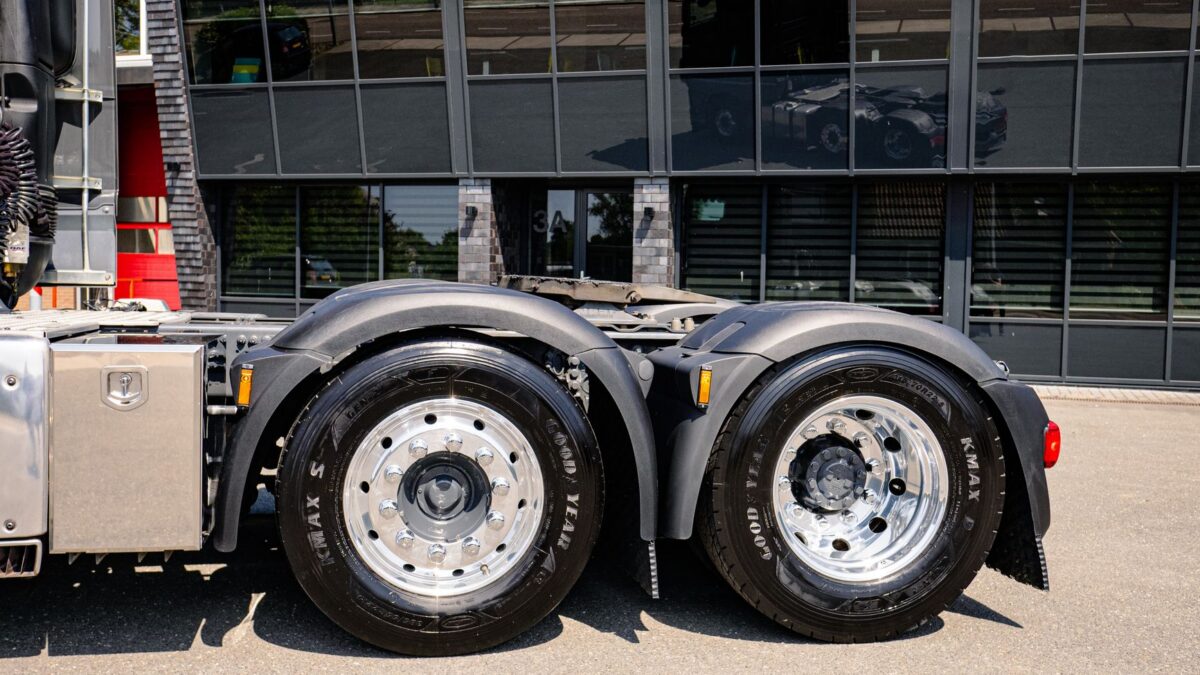
Rolling resistance is the drag a tire creates as it rolls, and LRR tires are designed to cut it. They have less tread and usually cost more to buy, because of the extra engineering needed to prevent blowouts and other problems. For most carriers, the choice comes down to cost per mile.
Rule rollback changed little for fleets
The repealed federal standards applied to equipment manufacturers rather than fleets. Truck makers had increasingly fitted LRR tires as one way to improve fuel efficiency and meet them.
Robert Braswell, executive director of the American Trucking Associations’ Technology & Maintenance Council, said that with diesel at $6 to $7 a gallon, few fleets are thinking of dropping LRR tires over the rule change. He said fuel savings more than cover the higher price when a fleet runs a good maintenance program, and that the service-life gap with other tires is narrowing as compounds and designs improve. He has not heard whether short-term interest is rising.
What one carrier measures
Daryl Bear, chief operating officer of MVT Solutions, a subsidiary of Mesilla Valley Transportation, said the company has run more than 1,300 tests with trucks fitted with sensors and data tools inspired by motorsports. It has tested trucks for 15 fleets on the Transport Topics Top 100 For-Hire Carriers list. Bear said fleets on rough terrain should favor long-lasting tires. He added that management should make the final purchase decisions, because shop leaders usually choose the tires that need the least maintenance.
Mesilla Valley Transportation, No. 61 on the TT100 for-hire list, relies heavily on LRR tires. CEO Royal Jones said his over-the-road company drivers average 9.28 miles per gallon, and he estimated the tires could add half a mile per gallon. For his fleet, a gain of a tenth of a mile per gallon means savings of 26,000-28,000 gallons a month, he said. “It’s only more expensive to purchase,” Jones said.
The carrier also retreads its tires five times, and technicians measure tire sizes so dual tires match exactly, since a slightly larger tire covers more ground per turn and drags its partner. Jones said the driver matters most for fuel mileage, ahead of rolling resistance and parasitic drag. He also said LRR tires lower maintenance costs by putting less stress on trucks. An engineer once told him an engine would last long enough to burn 150,000 gallons of fuel, so better mileage means more miles before it reaches that total.
How other carriers choose
Nussbaum averages 9.2 miles per gallon and began using LRR wide-base single tires about 15 years ago, said James Grier, director of fleet services. Its testing found a gap of three- to four-tenths of a mile per gallon between singles and duals. The company buys tires with 26/32nds of an inch of tread and pulls them at 6/32nds. It has looked at tires with 22/32nds and 24/32nds, but its drive tires average about 18,000 miles per 32nd of an inch of wear, so small depth differences count.
ABF Freight President Matt Godfrey said the carrier weighs life expectancy, tread wear, tread life, acquisition cost and fuel economy, and that regulatory changes are not affecting its tire specs. ABF is part of ArcBest, No. 14 on the TT100. At NFI, No. 17 on the list, vice president of fleet services Charles Musgrove said fuel efficiency drives its LRR use, and sharp jumps in diesel prices move such projects up executives’ priority lists.
What it means for owner-operators and small fleets
Drew Wall, a developmental engineer with Yokohama Tire, said smaller fleets and independent operators are increasingly following large fleets onto LRR tires. The application decides a lot, he said: longhaul fleets tend to put fuel efficiency and tread life first, while regional, urban and on/off-road work puts more weight on traction and durability. Tire makers are adding tread designs and shallower tread depths to their lineups.
Yong Jin, a corporate sales senior manager at Hankook Tire, said fleets that retread focus on durable casings, and high-scrub fleets on tread life and even wear. Manufacturers are adjusting compounds, tread designs and casing construction for specific uses and wheel positions, he said. Mike Roeth, executive director of the North American Council for Freight Efficiency, said fleets count downtime in total cost of ownership, which he said “will rule over anything else.”
Source: Transport Topics