Axle and Engine Shortages Slow Freightliner Truck Builds at DTNA
Daimler Truck North America sold 45,629 trucks and buses in the third quarter, but axle and engine shortages slowed builds and raised freight costs.
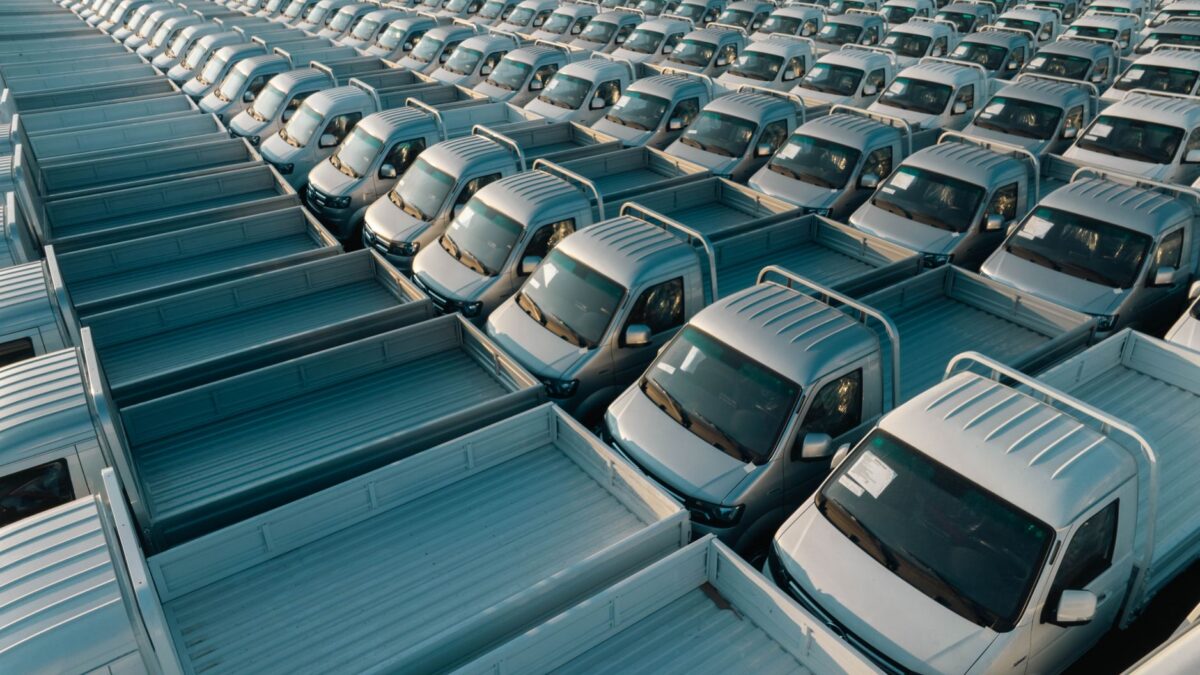
Shortages of axles and engines from outside suppliers held back production at Daimler Truck North America’s assembly plants in the third quarter, and the problem has carried into the fourth quarter, according to Transport Topics. DTNA builds Freightliner and Western Star trucks.
Fewer trucks than planned came off the lines, and the company paid extra to rush late parts to its plants. Daimler Truck CEO Karin Radstrom said catching up on production before year-end would be difficult, though she hoped to do so by the beginning of 2027.
Suppliers could not keep pace with the ramp-up
In the spring, DTNA asked its suppliers to hire more workers, buy more raw materials and add shifts. The company expected a steep production increase as the North American freight market recovered. Radstrom told analysts and investors on the Nov. 6 earnings call that some suppliers did not manage to scale up enough as the rebound moved from the spot market into contract and dedicated hauling.
Chief Financial Officer Eva Scherer said the shortfall lowered truck output in the quarter and hurt efficiency at the plants. DTNA gets engines for its trucks from its own Detroit Diesel division and from Cummins.
A Cummins spokesperson told Transport Topics the industry’s fast ramp-up has strained the supply chain and said the company has “experienced some component constraints, particularly in axles.” Cummins said its teams are working with customers to meet demand.
Sales still jumped
DTNA sold 45,629 trucks and buses in the third quarter, up 51% from 30,225 a year earlier. A vehicle only counts as sold once it has been built, so the parts problem limited how many units could be booked as sales. DTNA also owns school bus maker Thomas Built Buses and Freightliner Custom Chassis, and those units are included in the totals.
- United States: 40,084 vehicles, up 54% from a year earlier
- Canada: 3,830 trucks and buses, up 39%
- Mexico: 1,455 units, up 9%
New orders came in at 29,357 trucks and buses. That was 12% more than the 26,168 booked a year earlier and 17% fewer than in the second quarter.
Rush shipping raised costs
The division’s revenue rose 43% to $6.36 billion from $4.45 billion. Cost of sales climbed 37% to $5.23 billion from $3.82 billion. Scherer said part of that increase came from expedited shipping of components that were running behind schedule. She put those expedited costs in the “low to mid double-digit” millions of dollars for the quarter.
The extra spending will continue. “I still expect a high impact from expedited freight in the fourth quarter,” Scherer said, adding that DTNA will do everything it can to deliver trucks to customers.
What it means for fleets waiting on new trucks
Carriers and owner-operators with Freightliner or Western Star orders may see production run behind while axle and engine supplies stay tight. Radstrom’s own timeline puts a full catch-up around the start of 2027, not before year-end.
DTNA is adding workers to raise output. Freightliner is hiring at its plant in Saltillo, Mexico, Radstrom told Transport Topics in September, and DTNA CEO John O’Leary said in July that employment is growing at the Mount Holly, N.C., plant. A slim majority of the Freightliner and Western Star trucks built in North America come from DTNA’s Mexican plants.
Freight rates drive the 2027 outlook
Radstrom said Daimler Truck expects solid demand in 2027 and pointed to freight rates as the measure the company watches most closely. She said rates have kept improving and that replacement demand in the market should add further support next year.
She also said clearer rules on noncompliance penalties under the Environmental Protection Agency’s 2027 nitrogen oxides regulations would help. Those rules set limits on NOx, a pollutant from diesel exhaust.
Across the whole group, Daimler Truck reported third-quarter revenue of $14.01 billion, up 19% from $11.76 billion. Profit rose 73% to $782 million from $453.5 million a year earlier.
Source: Transport Topics