Werner and Bennett Turn Motive AI Cameras Into Crash Prevention Tools
Werner and Bennett told a Motive panel their AI cameras now drive same-day driver coaching and 30-second compliance checks, not only crash evidence.
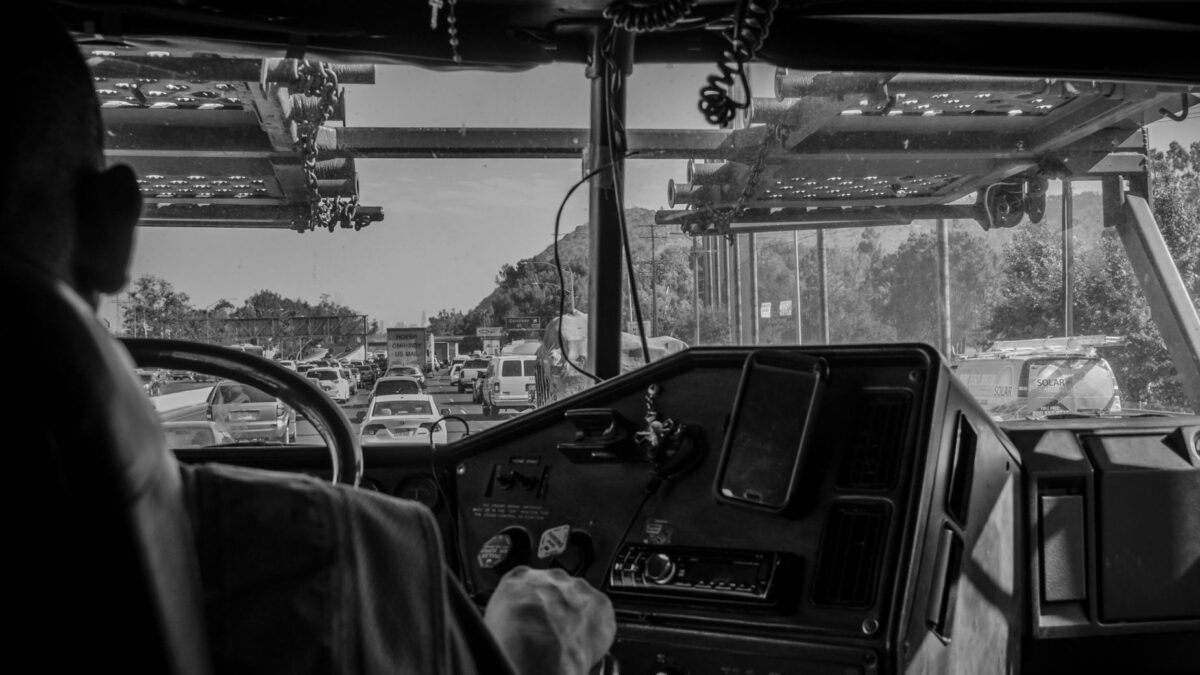
Two large carriers have changed what they ask of their truck cameras. Werner Enterprises and Bennett Family of Companies feed video and telematics data from Motive into AI tools that flag risky driving, so a driver can be coached before anything goes wrong, FreightWaves reported. Executives of both fleets spoke last month on a Motive-hosted panel at the American Trucking Associations’ Management Conference & Exhibition in Charlotte, North Carolina.
Austin Henderson, Werner’s vice president of innovation and engineering, said the camera program started as a way to reconstruct accidents and gauge lawsuit exposure. It has since moved toward stopping the claims from happening in the first place. Werner bought dedicated carrier FirstFleet for $245 million in January.
Coaching the same day at Werner
Werner uses outward-facing cameras only. At the fleet’s request, Motive built a distracted-driving alert that needs nothing but those cameras. A triggered alert sounds in the cab and also reaches the back office, where staff phone the driver and send him to a safe spot. A driver who was pulled over this way phoned back the next day, after seeing the footage, and said it may have saved his life, Henderson recalled.
A driver cannot continue in the workflow until he has watched the clip of a flagged event. About 97% of those clips are viewed the day the event happens, Henderson said, which spares drivers from sitting through a coaching session about a stop sign run two weeks earlier.
Part of the coaching is automated too. Werner put AI versions of its regional safety managers into Motive’s coaching tool and tells drivers up front that the videos are AI-made.
A skeptical driver is cleared
Henderson told of a driver with roughly 20 years and 2 million miles behind him who fought the camera installation. Two weeks after it went in, he was in a highway incident, and the replay showed he was not at fault. Henderson said the matter took about four days to settle. The driver now appears in Werner’s training videos.
Faster compliance reviews at Bennett
Jared Whitson, Bennett’s senior director of safety and compliance, said staff once spent four or five minutes working out whether one hours-of-service event was a violation. Now the AI proposes an answer and its reasoning, and a person approves or overrules it. Whitson estimated the review at “literally 30 seconds maybe.”
Bennett has also connected fault codes to its repair shops. A notification goes out when a truck carrying a critical code enters a geofence around a shop. Whitson said a later version might open the repair or work order automatically. At present Bennett’s first Motive AI Agents just alert staff.
Why it matters
Lawsuit risk drives much of this. Henderson said plaintiff’s attorneys will use AI if carriers do not. In the American Transportation Research Institute’s 2026 Critical Issues in the Trucking Industry report, released Oct. 18, motor carriers named lawsuit abuse reform their top concern. Among all respondents it came second for the second year running, after fuel prices.
Both executives said small carriers may hold an advantage because they have less old technology to carry along. Whitson said a 25-truck fleet with a two-person office could operate as though it had 20 staff. Henderson’s advice to small fleets was to choose a provider and commit fully.
Where the rollout is held back
Older systems at Werner and FirstFleet slow the work of connecting new tools, Henderson said. Whitson said Bennett has not gone far toward letting AI act on its own on the road, and he warned against accepting it blindly: it has to earn trust and keep it.
Source: FreightWaves