24 States Now Regulate License Plate Readers That Scan Trucks
Twenty-four states have license plate reader laws, and Ohio, Pennsylvania and New Jersey are debating more limits on how long scan data is kept.
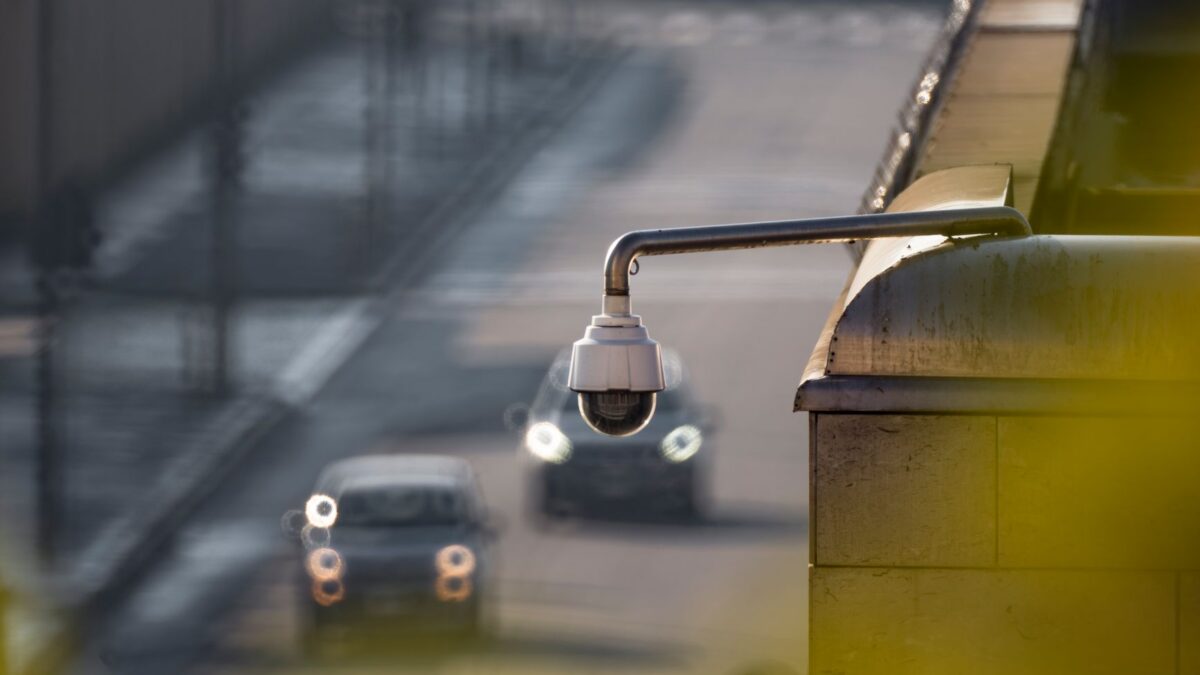
License plate readers now sit on patrol cars, traffic lights, bridges, road signs and buildings, and they scan commercial trucks along with every other vehicle. According to Land Line, state lawmakers are trying to decide who may see those scans and how long they can be kept.
The Legislative Analysis and Public Policy Association counts 24 states with laws covering the technology. At least seven regulate police use, about 18 limit how long agencies can store the data, and at least four keep the information out of public records requests.
What the cameras record
Each scan captures the plate image plus the date, time and location. Police use the readers to find stolen vehicles and vehicles linked to crimes. Repossession firms and insurers use them too, and some private parking operators run their own systems. The technology also supports truck enforcement, parking enforcement, toll collection and traffic studies.
Flock cameras are among the systems drawing attention. Land Line says the company faces legal challenges, municipal contract cancellations and debate over alleged misuse.
For truckers, repeated scans can add up to a record of where a truck travels and when it passes certain places.
New state laws
At least three states passed or updated laws in 2025. At least five more have joined them so far in 2026, and Connecticut is the latest.
Ohio: two bills, different targets
More than 260 law enforcement agencies in Ohio use the technology, but the state has no statewide law on how police collect, store and share the data. The House Public Safety Committee has held several hearings on HB725, which would restrict how plate images and data are collected for commercial purposes and limit their sale, transfer and sharing. A violation would be a first-degree misdemeanor. Normal business uses such as checking insurance coverage would stay legal, and official law enforcement duties fall outside the bill. It would require data to be deleted within 180 days. Critics say it does not stop warrantless tracking.
A Senate bill, SB469, would limit storage to 10 days and make it illegal to sell collected data to a third party. Selling could bring felony charges. Local governments and police agencies using the readers would have to adopt access rules.
Pennsylvania: searches and vendors
HB2771 lists allowed uses, including criminal investigations, finding stolen vehicles and locating missing people. Searches that could reveal a vehicle’s movements over several days would generally need a warrant supported by probable cause. The House approved it, and it is now in a Senate committee.
HB2825 would require contracts to say who owns the data. Vendors could not sell it or give outside parties access without written approval from the police agency. Agencies would face yearly audits and generally would have to delete data within six months, unless it serves as evidence or meets another legal exception.
New Jersey: more than 450 users
More than 450 agencies and other entities in New Jersey use license plate readers. State rules allow them for law enforcement and criminal investigations but not for traffic enforcement. The Assembly Public Safety and Preparedness Committee recently held a hearing, where attorney general’s office and law enforcement representatives said safeguards against misuse already exist.
A5637, sponsored by Assemblyman Joe Danielsen, would set rules for police use of the data. A5483, introduced by Assemblyman David Bailey Jr., would ban private individuals and companies from operating the readers and generally require agencies to delete data within two days. It also calls for yearly audits and a statewide data system overseen by the Attorney General.
In the Senate, S3035 would cut the retention period from three years to two. An employee who uses the technology without permission could face up to six months in jail and a fine of up to $1,000. County prosecutors would audit agencies every year.
What this means for truckers
None of the Ohio bills specifically addresses truck enforcement, Land Line notes. Because the cameras capture commercial vehicles, the retention periods and access rules in these bills would apply to trucks as well. S3035 is in the Senate Law and Public Safety Committee, and HB2771 is awaiting Senate committee action.
Source: Land Line