Railroad Crossing Rules for Trucks: When to Stop and Penalties
Placarded hazmat, tank and passenger vehicles must stop at every railroad crossing. See low-clearance rules and CDL disqualification penalties.
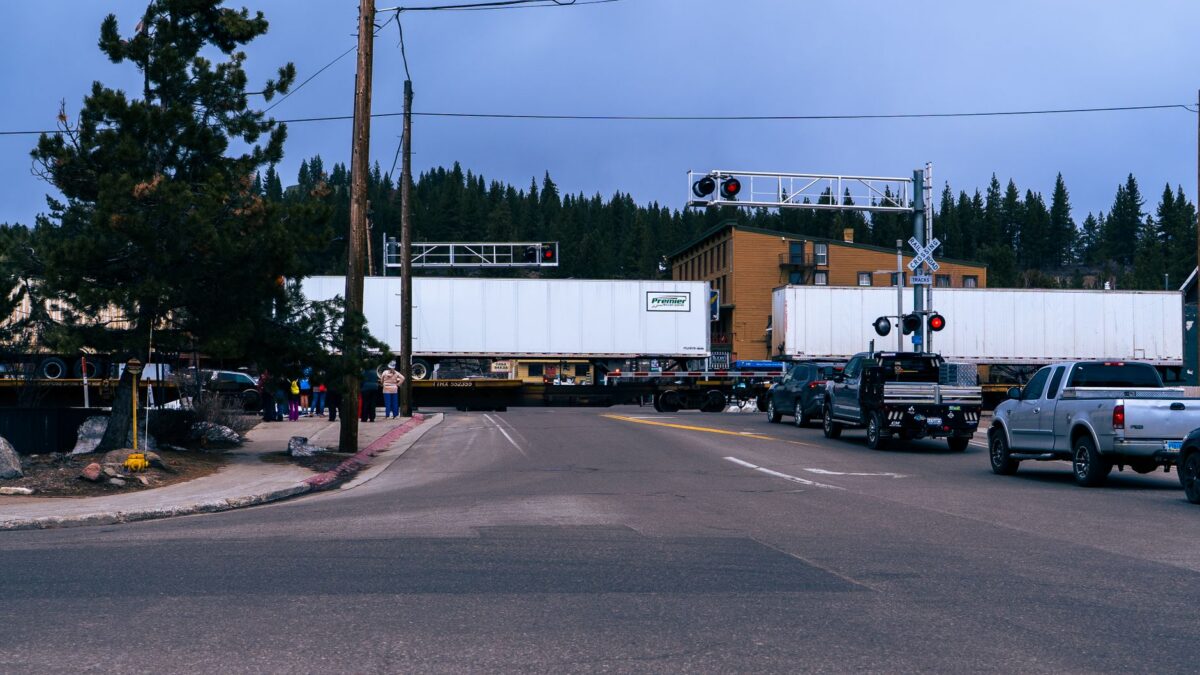
Under federal rules, commercial drivers hauling placarded hazardous materials, driving passenger buses or operating certain tank vehicles must stop at every railroad crossing, while other CDL drivers must slow down and check the tracks before crossing. A conviction for a railroad crossing violation can cost a CDL holder a disqualification of 60 days for a first offense, 120 days for a second within three years and one year for a third.
The rules come from the Federal Motor Carrier Safety Administration (FMCSA), and states add their own requirements, so check the local law on routes you drive often.
Which trucks must stop at every railroad crossing?
Federal rules require a full stop at every crossing for vehicles carrying hazardous materials that require placards, for buses carrying passengers and for certain tank vehicles, including some carrying specified hazardous cargo. Stop no closer than 15 feet (4.6 m) and no farther than 50 feet (15 m) from the nearest rail. Then listen and look both ways, and cross only when it is clear, without shifting gears on the tracks.
Some crossings are exempt from the stop requirement, such as those with a traffic signal that shows a green light or crossings marked as abandoned or exempt. Drivers should look for the signs and not assume.
What should other CDL drivers do at a crossing?
Drivers of other commercial vehicles must slow down and check that no train is coming. If the crossing has gates, flashing lights or a train in view, they stop and wait. Whether or not the rule requires a full stop, the safe practice is the same: be in a gear that lets you cross without shifting, open the window if conditions are noisy and keep the radio off.
What if there is not enough room to clear the tracks?
A driver may not enter a crossing unless there is enough space on the far side to drive completely through without stopping. A truck that sits on the tracks in a traffic queue can be hit even with a gate down behind it. Wait until the vehicle ahead has cleared the crossing and your whole trailer length has room to follow.
How do low-clearance crossings work?
Humped crossings can leave low-ground-clearance trailers, such as lowboys, car haulers and some tankers, stuck on the rails with the undercarriage high-centered. Warning signs show a low-ground-clearance symbol where this is a known problem. Drivers may not attempt a crossing when the vehicle does not have enough undercarriage clearance to get over it.
If you are hauling a low-slung load, plan the route in advance, ask dispatch about alternate routes and slow down well before a humped crossing. If you cannot clear it safely, find a different way. Backing up away from a crossing is better than being stuck on it.
What should you do if the truck stalls or gets stuck?
Get everyone out and move away from the tracks right away, and move toward the train at an angle if one is approaching, so debris does not hit you. Do not stay with the truck to try to save it. Look for the blue sign at the crossing that shows the Emergency Notification System phone number and the crossing’s identification number, then call and give both to the railroad. Trains take a mile or more to stop, so a train cannot stop in time even if the crew sees the truck. Federal rail safety information is available from the Federal Railroad Administration.
Once the scene is safe, follow the steps in what to do after a truck crash and tell your carrier.
What are the penalties for CDL drivers?
Under federal CDL rules, railroad-highway grade crossing violations are serious traffic offenses. The violations include failing to slow down and check that the tracks are clear, failing to stop when required, failing to have enough space on the other side, failing to obey a traffic control device or a signal from an enforcement official at a crossing and failing to cross because of insufficient undercarriage clearance.
- First conviction: disqualification from driving a commercial motor vehicle for at least 60 days.
- Second conviction within three years: at least 120 days.
- Third or later conviction within three years: at least one year.
Employers face penalties too if they knowingly allow or require a driver to violate the crossing rules. A disqualification stops earnings, and the conviction can appear on a driving record that insurers and carriers review. A crossing violation also interacts with the schedule limits described in hours of service rules, since time lost to a suspension or a delay does not extend your clock.
Quick answers
Do I have to stop at a crossing with no gates or lights?
If you drive a placarded hazmat load, a passenger bus or a covered tank vehicle, yes. Other CDL drivers must slow down and make sure no train is approaching before they cross.
How far from the rail should I stop?
No closer than 15 feet (4.6 m) and no farther than 50 feet (15 m) from the nearest rail.
Can I be disqualified for a first crossing violation?
Yes. A first conviction brings at least a 60-day disqualification from driving commercial vehicles.
Who do I call if my truck is stuck on the tracks?
Call the number on the blue Emergency Notification System sign at the crossing and give the crossing identification number. If no sign is visible, call 911.