J.B. Hunt Says Intermodal Rates Trail Highway by 30% to 35%
J.B. Hunt says intermodal pricing sits 30% to 35% below highway rates, while Werner and Schneider outline their 2027 rate and acquisition plans.
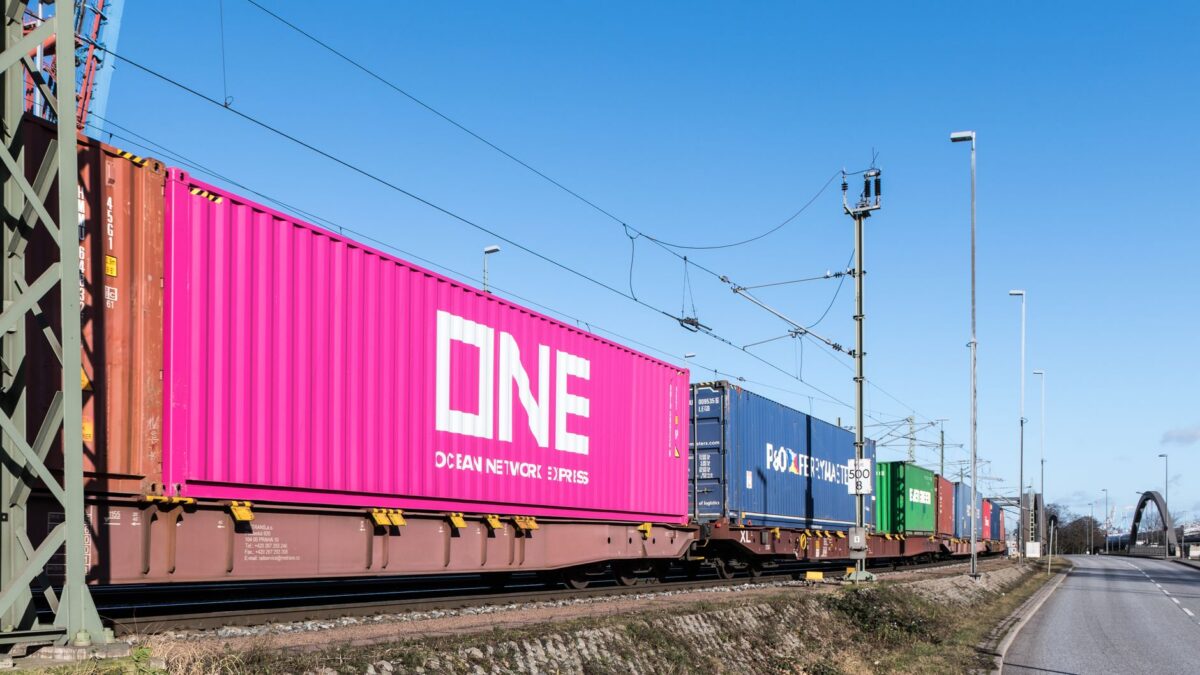
J.B. Hunt Transport Services expects the pricing gap between its intermodal and highway businesses to stay wide in the near term. Executives told attendees at recent investment bank conferences that the difference now runs between 30% and 35%, according to FleetOwner.
Werner Enterprises and Schneider National also spoke at the conferences. Werner is counting on double-digit rate increases in 2027, and Schneider says it has more money available for acquisitions.
Why the intermodal gap is so wide
Spencer Frazier, J.B. Hunt’s executive vice president of sales and marketing, spoke at the Stephens Annual Investment Conference in Nashville. He said the company has made “some progress” on margins, helped by strong pricing that executives said in July was starting to materialize.
Stronger pricing takes longer to reach the intermodal side, Frazier said, because highway and brokerage business reprices faster. That is what produced the 30% to 35% gap. He said many shippers know about it, and that it gives customers a reason to work with J.B. Hunt on closing it. The same people, he said, handle both the brokerage and highway talks and the intermodal talks.
Darren Field, president of intermodal, spoke a week earlier at the Baird Global Industrial Conference in Chicago. His pricing talks are going well, he said, but the gap may widen before it narrows well below 30%. He said he is less confident of closing it because he does not know what truckload pricing will do. “It feels like it will continue to climb from here,” Field said, though he added that nobody knows for sure.
For background on how containers move by rail and where trucks fit in, see this explainer on rail intermodal.
Werner points to a “starting line” of double-digit increases
At the Stephens event, analyst Bascome Majors asked Werner about getting its margins from about 5% into double digits. CFO Chris Wikoff declined to give a timeline. He said Werner’s leaders believe the freight upturn only began in early spring and has a long way to run. Overall costs, he noted, have climbed some 30% since the pandemic.
On 2027, Wikoff said “the setup is really strong” and that Werner has “a starting line of double-digit rate increases, particularly in our one-way business.” Knight-Swift Transportation Holdings CEO Adam Miller has taken the same view.
About a year ago Werner reset its one-way operation. The aim was to focus on better lanes and customers and to win more expedited and cross-border freight. The timing was awkward. The market tightened in the spring while Werner was still moving drivers into different geographies, and the company was slower to benefit, Wikoff said. He said Werner is now reloading the one-way business with a better cost profile. In the third quarter, revenue per truck per week rose more than 30% from the same period of 2025.
Schneider keeps dedicated acquisitions on the list
Schneider CFO Darrell Campbell spoke at the Baird conference, where analyst Dan Moore asked about possible deals. Campbell said Schneider recently lined up another $300 million in possible funding. He did not say more deals are coming, but said the money shows the company has “the ability” as well as the wish to make them.
In recent years Schneider completed a handful of acquisitions that built its dedicated business to more than 8,000 trucks and about $1.7 billion in annual revenue. The largest was Cowan Systems, for more than $420 million, announced nearly two years ago.
What this means for carriers and shippers
Intermodal customers are paying prices that have not caught up with highway rates, and J.B. Hunt’s intermodal head does not expect that to change quickly. Werner’s leadership is planning for sizable rate increases in one-way freight in 2027. Schneider, ranked No. 6 on the FleetOwner 500, is open to buying companies outside dedicated, Campbell said, because the Montgomery broker liability ruling and new technologies are changing the math in parts of the market. Dedicated stays at the top of its list.
“We think that playbook still works,” Campbell said. All three of the dedicated acquisitions Schneider has made are bigger today than when it bought them, he said.
Source: FleetOwner