Port of LA Hits 5 Million Containers in Five Months, a Record
Port of Los Angeles box volume hit a 118-year high, yet 9,500 containers wait at rail yards. Here is how that squeezes truck and rail freight.
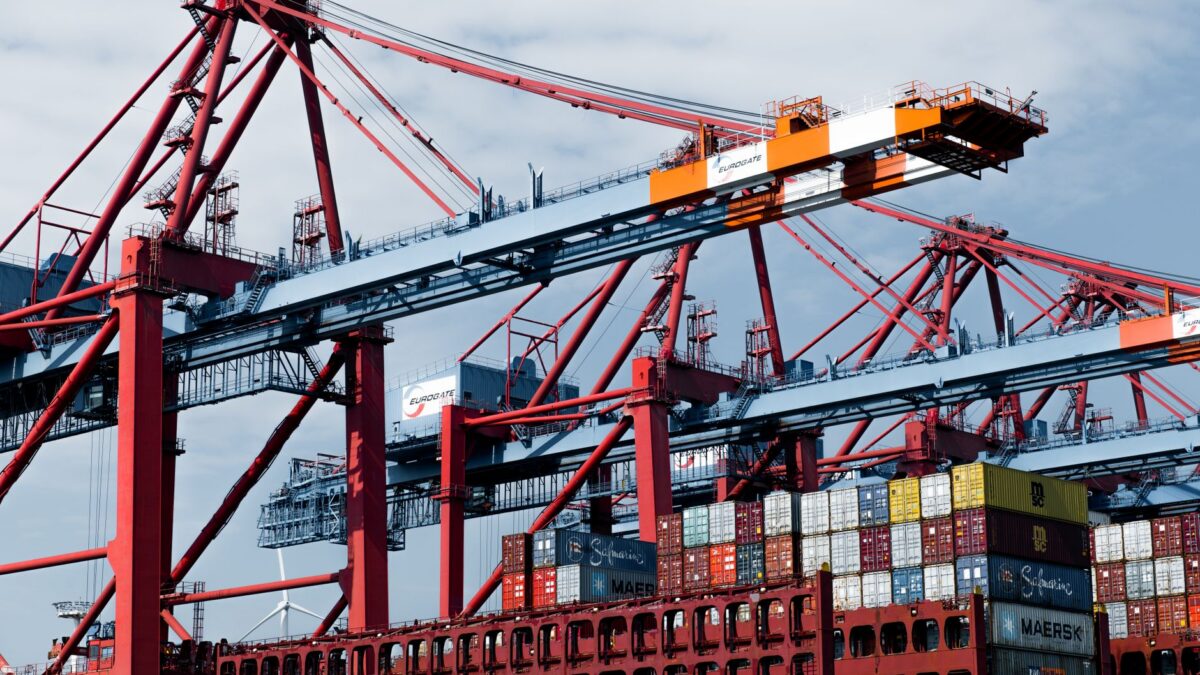
Boxes are arriving at the Port of Los Angeles faster than the railroads can move them away. Port Executive Director Gene Seroka told FreightWaves that terminals handled around 5 million container units during the last five months, the busiest run since the port opened 118 years ago.
October passed the 1 million mark by itself and finished as the second-biggest month the port has recorded. Seroka pointed to consumers who kept spending and to factories buying large volumes of components from overseas. He also named rail congestion and uneven trade flows as the limits most likely to bite soon.
A backlog at the rail terminals
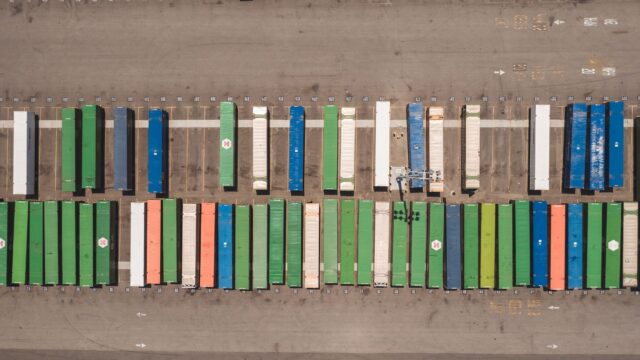
By Seroka’s count, roughly 9,500 containers have been parked for nine days or more around the BNSF and Phoenix Marine Terminal footprints. Both operators are running nonstop to work the pile down, he said.
He traces the jam to how the trade is built. The port has logged 11 import months of 500,000 TEUs, a level that just one other port has reached, and that only once. Exports and the return of empty boxes have lagged behind, so western railroads are short of locomotive power, crews and rail cars. Farm goods are part of the gap: soybeans, No. 5 red wheat, alfalfa, hay, pistachios and walnuts form the port’s largest commodity group, but their shipments have been weak since 2016, when the first China tariffs took effect. Seroka said American growers export two-thirds of what they harvest, and with Chinese demand gone, buyers have turned to Brazilian soybeans and Australian almonds.
What drove the surge
Tariff rules explain much of the volume, according to Seroka. After the Supreme Court’s February ruling on Section 112 tariffs, which ran for a temporary 150 days, importers hurried to stock up before that period ended. Section 301 tariffs then came back on steadier terms, and cargo rose again because shippers could estimate their landed costs with more certainty than at any point in about two years.
China gained the most. Seroka said its volumes have “picked up dramatically” since the ruling, and he listed advantages rivals struggle to copy: 40 years of polished supply chains, 13 days from Shanghai to Los Angeles and more than 100 trains leaving the LA Basin every day.
Why it matters for truckers
Containers that sit at rail yards for over a week are loads that drayage drivers and carriers cannot collect, and a rail network short of power and crews pushes more of the inland move toward trucks. Readers who want the basics of how the rail and truck legs connect can see how intermodal moves are put together.
Trade policy talks
Seroka said the American and Chinese presidents have met four times over the past year, including at APEC in Shenzhen, and are expected to meet at a G20 gathering in Doral, Florida, next month. He described that pace as unprecedented while saying far more has to be done. He also cited 50% tariffs on metals such as steel, aluminum and copper, which he said allowed a handful of domestic producers to lift prices by 48%.
After 23 months of these policies, Seroka said, the numbers show more trade with China, a wider trade gap and more unfilled manufacturing jobs than in January 2025. He wants longer planning horizons and input from industry specialists when policy is set.
Sources: FreightWaves, Yahoo Finance