Jake Brake Explained: How Engine Brakes Work and When to Use Them
A Jake brake slows a diesel truck by releasing compressed air from the cylinders. How it works, when to use it, and why towns post engine brake bans.
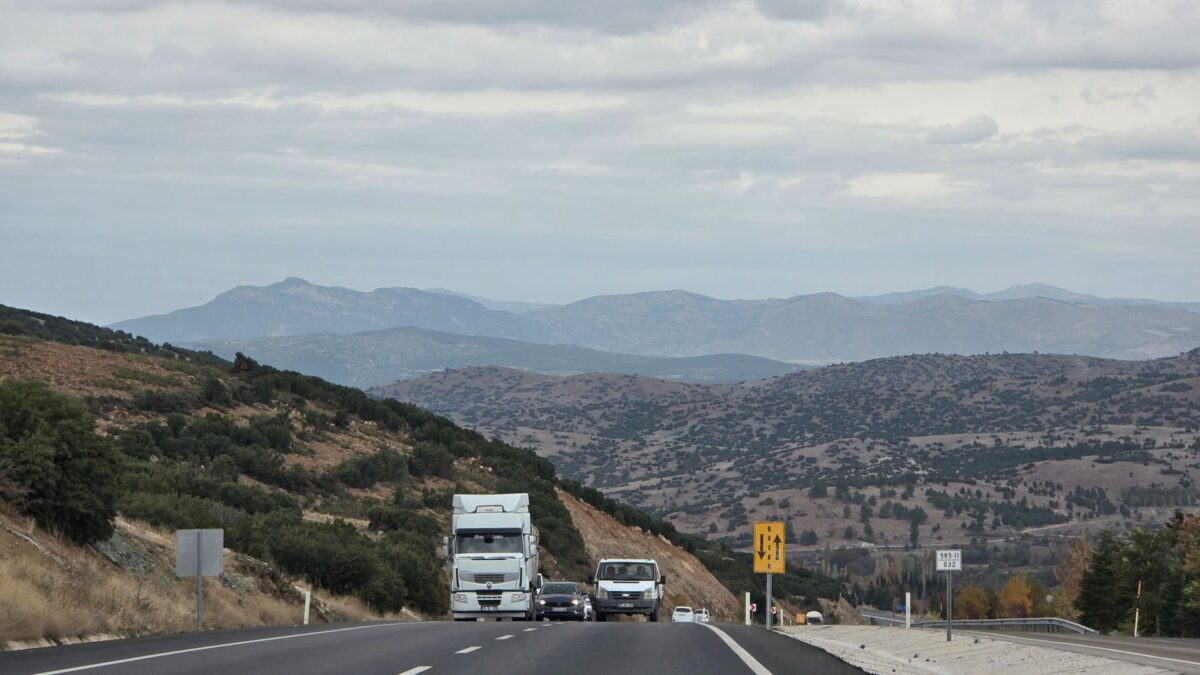
A Jake brake is a compression release engine brake that slows a diesel truck by opening the exhaust valves near the top of the compression stroke, so the engine absorbs energy instead of giving it back to the crankshaft. Drivers use it to hold speed on long downgrades and to save the service brakes from overheating. Some towns restrict engine brakes because a truck with a poor or modified muffler makes a loud, rapid barking noise when the brake is on.
What is a Jake brake, and is it the same as an engine brake?
“Jake brake” is the common name for any compression release engine brake, taken from Jacobs Vehicle Systems, the company that made the device popular. Drivers say “Jake” the way people say “Kleenex,” whatever brand the engine actually uses. Engine makers now build compression brakes into many heavy-duty diesels at the factory.
Three other devices are often confused with it:
- An exhaust brake closes a valve in the exhaust pipe and builds back pressure. It is common on pickups and medium-duty trucks and gives less retarding power than a compression brake.
- A hydraulic retarder sits in the transmission or driveline and uses fluid resistance to slow the truck.
- An electric retarder uses magnetic resistance on the driveshaft and is more common on buses and in Europe.
All of them are auxiliary brakes. None of them replaces the air brakes, and none can bring a truck to a full stop.
How does a compression release brake slow a truck?
A compression brake turns the engine into an air compressor that throws its work away. On a normal cycle, the piston compresses air on the way up, and that compressed air pushes the piston back down, so little energy is lost. With the brake on and the driver off the throttle, the system opens the exhaust valve just before the piston reaches the top. The compressed air escapes out the exhaust, nothing pushes the piston back down, and the effort spent compressing the air slows the wheels through the drivetrain.
The effect depends on engine speed. Retarding force is strongest at higher RPM, which is why drivers pick a lower gear before a descent and let the engine run near the upper part of its range. Most systems have a switch with two or three levels that work on a different number of cylinders, so the driver can match braking force to the grade and the load.
When should you use a Jake brake?
Use the engine brake whenever you need to hold or reduce speed over a long distance, so the service brakes stay cool for stops and emergencies. Common situations:
- Long mountain downgrades, together with the right gear chosen before the top of the hill
- Slowing on a highway exit ramp or ahead of traffic, before using the foot brake
- Rolling terrain where cruise control or the driver uses it to stop the truck from running away on each dip
- Heavy loads, where the service brakes would otherwise do most of the work
On a grade, the standard CDL method is to choose a gear low enough that the engine and engine brake hold your speed, then use the service brakes in firm, short applications when speed climbs above your safe speed. Riding the foot brake all the way down heats the drums and linings until they fade. Brake condition matters too: roadside checks such as the annual Brake Safety Week inspections regularly put trucks out of service for brake defects that make a long descent dangerous.
When should you turn the engine brake off?
Turn the engine brake off or to its lowest setting on ice, snow, packed slush or any slippery surface, especially with an empty or lightly loaded trailer. The engine brake acts only on the drive wheels, and on a slick road that sudden drag can lock or slide the drive axles and start a jackknife. Engine and brake manufacturers say the same in their operator manuals.
Other times to leave it off:
- Where a posted sign prohibits engine brake use
- In stop-and-go city traffic at low speed, where it adds little and makes noise
- When the engine is cold, if the manufacturer’s manual says to wait until it warms up
Why do some towns ban Jake brakes?
Towns ban or restrict engine brakes because of noise. When the exhaust valve opens, compressed air leaves in rapid pulses, and without a proper muffler that sounds like a loud machine-gun rattle. A truck with a factory exhaust system in good repair is much quieter, but a straight pipe, a damaged muffler or an aftermarket system with no sound control can be heard far from the highway, often at night near homes.
Local rules usually take one of two forms. Some signs say “Engine Brake Use Prohibited” or “No Jake Brakes” within town limits. Others target only “Unmuffled Engine Brakes,” which allows trucks with working mufflers to use them. Fines and enforcement are set by each town or state, so read the sign and follow it. Federal noise rules from the Environmental Protection Agency set limits on new truck exhaust noise, and tampering with a muffler can put a truck out of compliance.
Bans do not override physics. If a posted ban sits at the top of a steep grade, slow down and gear down before the sign so the service brakes can handle the descent.
Does using the engine brake hurt the engine or save money?
Using a factory-installed or properly installed compression brake as designed does not harm a healthy engine. It does need correct valve adjustment, and the engine maker’s service schedule covers that. The main savings come from the service brakes: drums, linings and pads last longer when the engine brake does much of the slowing. A truck coasting with the engine brake on also burns little or no fuel, because modern diesels cut fuel delivery when the driver is off the throttle.
Quick answers
Can you use a Jake brake in an automatic or automated manual truck?
Yes. Many automated manual transmissions work with the engine brake and downshift to keep RPM high enough for good retarding force. Check the truck’s settings and the operator manual.
Is a Jake brake on the CDL test?
The CDL knowledge test covers auxiliary brakes, retarders and safe downhill braking, including turning retarders off on slippery roads. The rules for each state are in its CDL manual, and the Federal Motor Carrier Safety Administration sets the national CDL standards.
What does “jake it down” mean on the CB?
It means slow the truck with the engine brake. Other radio terms are listed in our guide to trucker slang and CB terms.
Should you use the engine brake in a work zone?
Use it to slow down early, unless a sign prohibits it. Work zones need lower speeds and more following distance, and Pennsylvania has added a work-zone question to its driver test.