Trump’s Russian Diesel Deal Finds No U.S. Buyer as Diesel Sits at $6.10
No U.S. buyer has taken Russian diesel from the deal Trump announced in October, while diesel averages $6.10 a gallon. What it means for truckers' fuel costs.
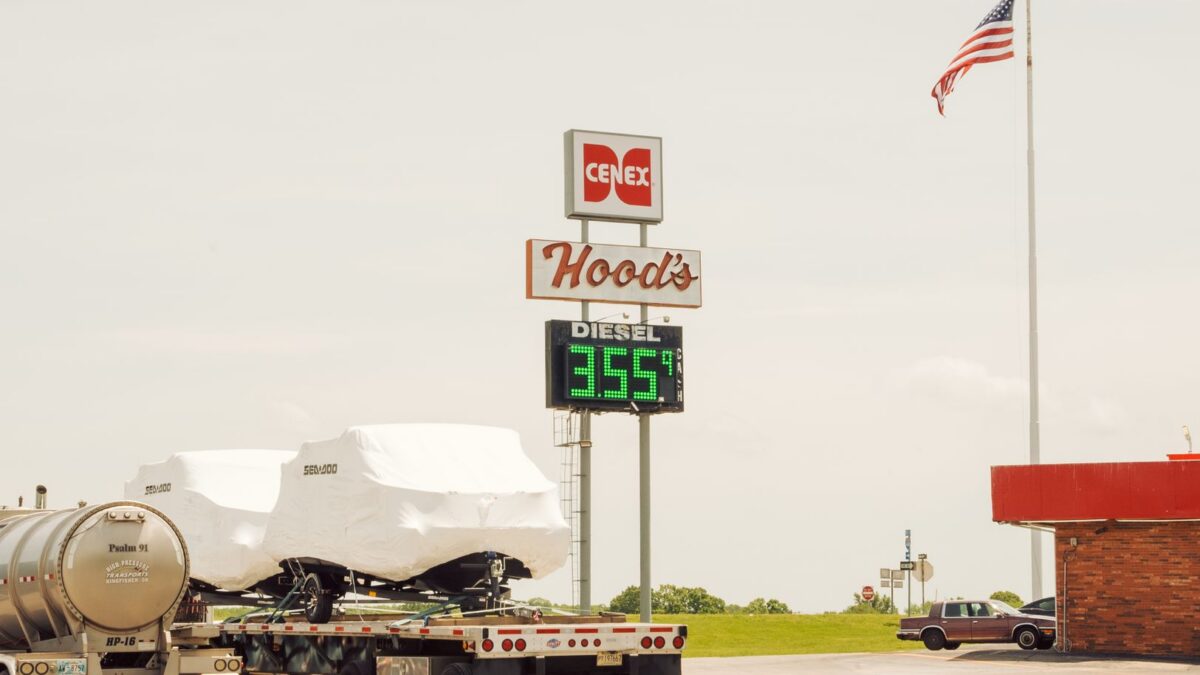
The Russian diesel deal President Donald Trump announced in October has not found a single U.S. buyer, Transport Topics reported, and traders doubt any of the fuel will reach American ports. For truckers, that means no relief from imported Russian barrels while the national average for diesel stood at $6.10 a gallon as of Nov. 11, according to AAA.
That price is about 40 cents below the record high, AAA said. Trump agreed with Russian President Vladimir Putin to send roughly 36 million barrels of diesel to the U.S. and other buyers, as part of a push to bring down energy prices.
Why buyers are staying away
Several commodity trading firms and other possible buyers decided the risk was too high to import the cargoes, according to people familiar with their internal talks who spoke on condition of anonymity. The main worry is legal. Companies are not convinced that a sanctions waiver the Treasury Department issued on Oct. 9 overrides a 2022 law that bans imports of Russian oil and fuel, even though the White House has said it does.
Bob McNally, founder and president of Rapidan Energy Group, said private companies are strongly reluctant because of legal and reputational risk. Claire O’Neill McCleskey, a former Treasury official who co-founded Clarity Compliance Consulting, said “the legal ambiguity will scare off a lot of companies.”
Where the Russian diesel is now
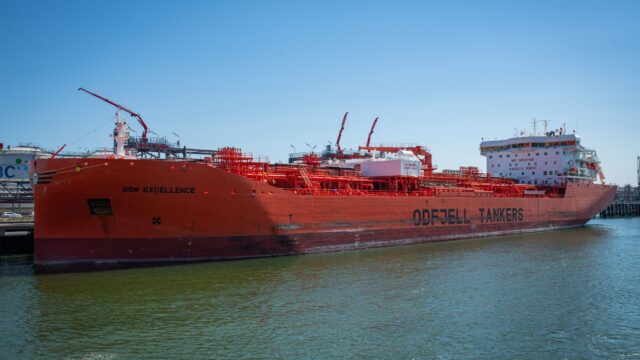
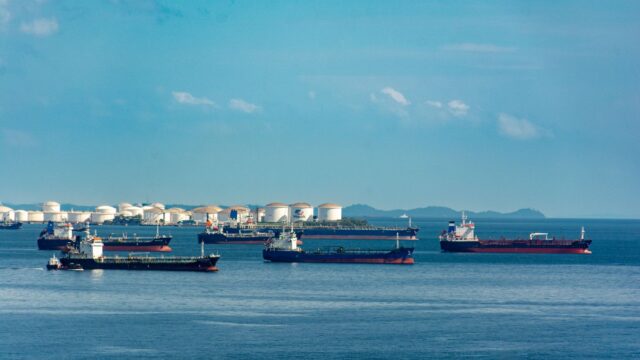
Russia says four vessels are carrying the diesel, but it is unclear whether any of them are bound for the U.S. One tanker that had signaled a U.S. destination was last seen moving in a zigzag pattern about 400 nautical miles off the East Coast, based on a port report and Bloomberg data. Brazilian fuel distributors are now being offered the Russian diesel.
An administration official said the diesel is on the water and heading to market, and that it will ease prices for Americans. The White House did not immediately respond to a request for comment, the report said.
What it means for diesel prices and trucking costs
Fuel is one of the largest operating costs for carriers and owner-operators, and the Russian cargoes were pitched as a way to bring it down. Phillips 66, one of the biggest U.S. refiners, said Russian diesel exports are too small to make a meaningful dent in U.S. prices. CEO Mark Lashier said late last month that the company has “no intent to acquire Russian diesel.”
Fuel prices have hit seasonal records because of the Iran war and Ukraine’s drone strikes on Russian refineries. Retail prices have eased in recent weeks. Gasoline has dropped below $4 a gallon but is still at a record for this time of year. Ukraine has resumed its strikes and said it hit Russia’s largest oil refinery, in western Siberia, for a third time.
State fuel taxes still shape what drivers pay at each stop; our guide to diesel fuel tax by state explains why some states cost more.
Political pushback and ports
The deal has drawn criticism from both Republicans and Democrats, but the White House is keeping the plan. Energy Secretary Chris Wright has argued it will add to global supply and push the Kremlin to scale back or end its war in Ukraine.
House and Senate Democrats have promised to investigate and asked banks and ports to keep records tied to the deal. New Jersey Gov. Mikie Sherrill, a Democrat, warned port operators and terminal owners last week that accepting Russian diesel could violate federal law. New Jersey holds many of the large petroleum docks and storage tanks that make up New York Harbor.
Source: Transport Topics