Thieves Take $11.4M Nvidia Load After Oakland Pickup
A six-pallet Nvidia load worth $11.4M vanished after an Oakland pickup on Aug. 29. The story covers CargoNet's Q3 data and what police have said.
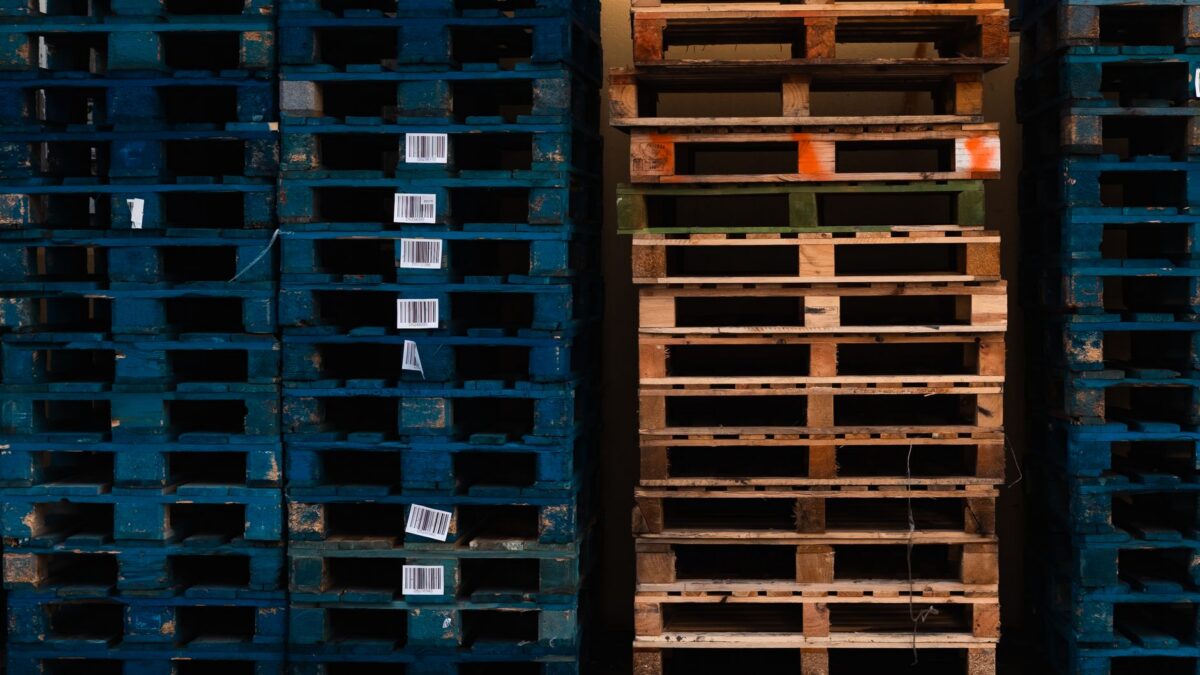
A truck picked up six pallets of Nvidia hardware in Oakland, California, on Aug. 29 and never delivered them to Fort Worth, Texas. The shipment was worth $11.4 million, according to Inbound Logistics, and no arrest has been reported.
The case adds to a rise in large cargo thefts. Verisk CargoNet counted 19 thefts worth $1 million or more in the third quarter of 2026, and many involved electronics and data center equipment.
What investigators know about the Oakland load
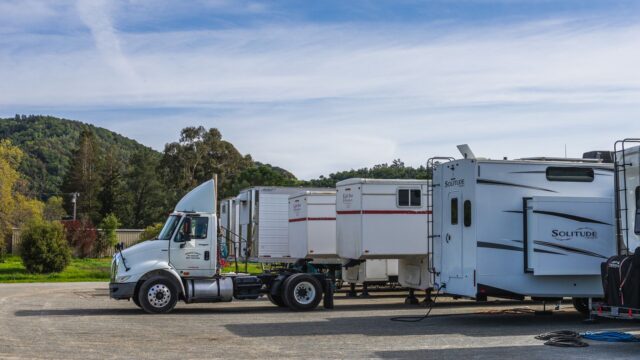
Court records describe the arriving truck as a food hauler that took the freight at the booked time. It then drove south, sat for hours at several spots, and disappeared from investigators’ view in San Bernardino County.
The buyer realized in early September that nothing had shown up and filed a report with Oakland police on Sept. 13, 15 days after pickup. Police are handling it as a grand theft in East Oakland.
Open questions remain: which Nvidia products were on the pallets, whether the food carrier was genuine or copied, how the load was taken, and whether any of it was found. Nvidia has not commented.
Why data center freight attracts thieves
Servers and networking gear often move as plain dry freight while a few pallets hold huge value. CargoNet’s second-quarter report said such shipments can contain Nvidia chips worth several million dollars. A single chip can cost about $550,000 in the U.S. and fetch about $1 million overseas.
David Mitsui, director of risk and compliance operations at Total Quality Logistics (TQL), told Inbound Logistics in October that several thefts in the first half of 2026 involved data center and server equipment. He said organized crews have learned to guess a load’s contents from where it starts, and that they go after desirable commodities.
Separately, in late September, autonomous trucking developer PlusAI reported two trailers gone from its Fremont, California, site, one bearing an Nvidia logo. Newark police located both the following day. Each held roughly 20,000 pounds of ballast sand that the company uses as test weight.
The fictitious pickup problem
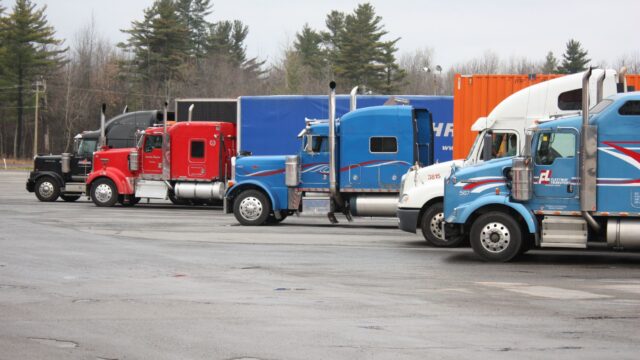
A fictitious pickup happens when criminals pose as a real carrier and get the load handed over at the dock. CargoNet logged 138 in the third quarter, about one in four reported incidents, against 18% a year earlier.
Investigators have not said if the Oakland theft was one. Reports tied the truck to a food transport company before the trail went cold.
CargoNet’s quarterly totals point two ways. Reported incidents dropped 33% year over year to 547, but estimated losses grew 12% to $230.1 million. Keith Lewis, vice president of operations at Verisk CargoNet, warned that fewer incidents do not mean less risk. Thefts of $1 million or more numbered nine a year earlier.
Why it matters for carriers, brokers and shippers
Brokers and carriers are the ones whose identities get copied. In the Q3 report Lewis said criminals combine digital deception with old-fashioned theft, and that syndicates lean on identity spoofing to hijack sensitive loads. Mitsui said a thief can buy a trucking company with its phone numbers and email accounts but cannot buy its history, so a carrier’s usual booking data can reveal when something is off.
The Oakland case also shows how a delay in reporting helps thieves: the freight was on the move for days before officers heard about it.
Checks that Inbound Logistics lists
- Compare the truck, driver and carrier at the dock with the booking instead of trusting paperwork alone.
- Treat a changed delivery location as suspect. Mitsui said TQL drivers must call before altering a destination for any reason.
- Monitor loads after pickup, because long unplanned stops and tracking gaps are warning signs.
- Check a carrier’s booking history for anything unusual.
- Report thefts fast and share what you learn.
Inbound Logistics notes that no single control stops a theft like this one, and how well common security measures work against these methods is uncertain.
Source: Inbound Logistics