XPO Fuel and Supply Costs Rise 29% as Railroads Gain Freight
XPO's fuel and supply costs rose 29% in Q3 while Union Pacific says pricier trucking pushes freight to rail. Ford and Valero also cite freight costs.
Higher diesel prices and truckload rates are hitting company budgets unevenly, according to comments from seven executives at Ford, Union Pacific, XPO and Valero during third-quarter earnings calls, as reported by FreightWaves. XPO said its fuel, operating expense and supplies category rose 29%, or $66 million, from a year earlier, mostly because of fuel.
Railroads say the same pressure is sending them freight that would otherwise move by truck. Manufacturers, meanwhile, are absorbing higher logistics bills.
XPO keeps more miles on its own trucks
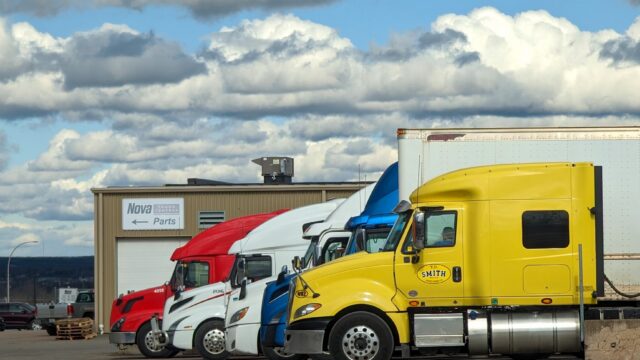
XPO, a less-than-truckload carrier (one that combines small shipments from many customers on a single trailer), reported that purchased transportation costs rose another $10 million. Chief Financial Officer Kyle Wismans tied that increase to higher freight volume and rising truckload rates.
Chief Executive Mario Harik said the company has been moving hauling onto its own equipment. Outsourced miles fell from roughly 25% when the program began to 5.6% in the third quarter. Harik said higher truckload rates lower the break-even point for insourcing, and XPO does not plan to raise its share of outsourced miles.
Union Pacific sees rail gaining on trucking
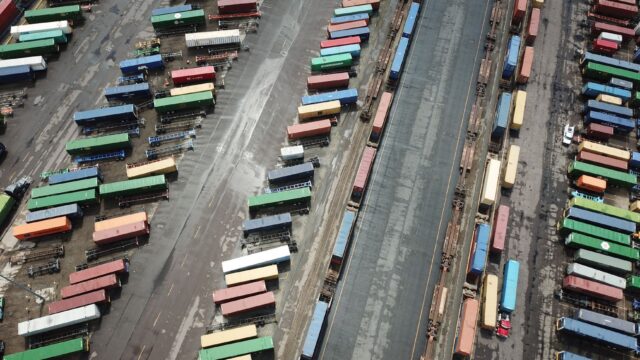
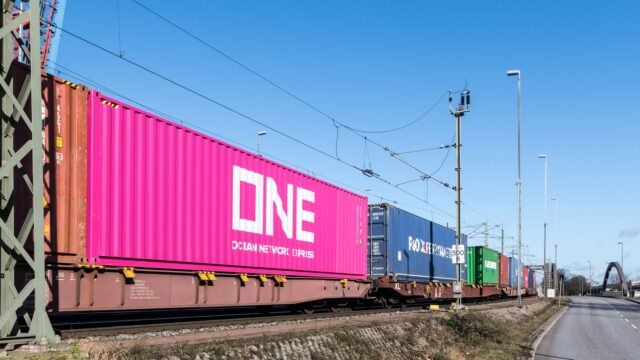
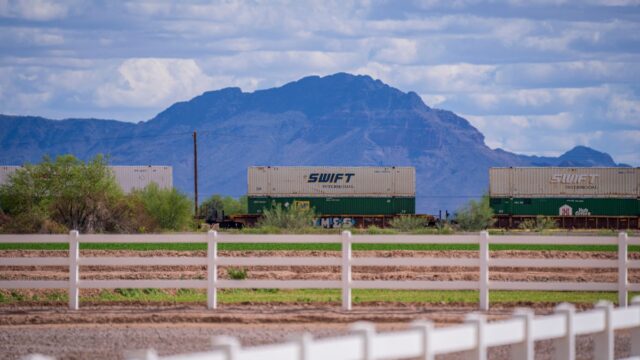
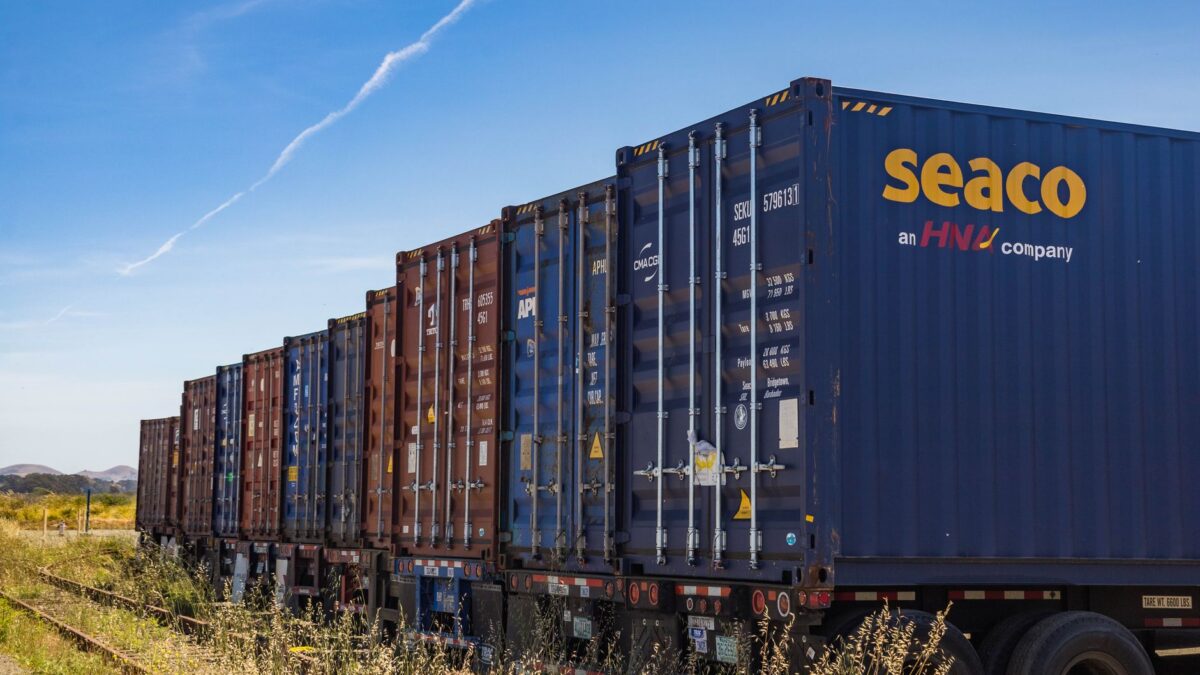
Union Pacific Chief Executive Jim Vena told investors on the Oct. 22 earnings call that railroads cost far less per ton to run across the country, so rising fuel prices help them compete. Executives at Union Pacific, Norfolk Southern and CSX said higher fuel costs and a tighter trucking market were moving freight toward intermodal rail, which pairs rail line-hauls with trucks for the first and last miles.
Railroads still pay for fuel themselves. Union Pacific said fuel prices cut its third-quarter operating ratio, a measure of operating costs against revenue, by 140 basis points.
Ford counts a $2 billion cost headwind
Ford Chief Executive Jim Farley said the company expects commodities, memory and logistics costs to weigh on results by about $2 billion year over year. That figure combines several expense types, and Farley and Chief Financial Officer Sherry Ann House said growth in software services and parts was offsetting part of it.
House said higher fuel prices are raising Ford’s freight and energy costs but have not reduced customer demand for trucks and fleet vehicles so far. FreightWaves noted that auto parts often cross borders several times before final assembly, which exposes manufacturers to fuel costs at more than one stage.
Valero faces tanker rates, and benefits
Valero, a refiner, is dealing with ocean freight rather than trucking costs. Randy Hawkins, vice president of crude and feedstocks supply and trading, said shipping crude from the U.S. Gulf Coast to Asia now costs $30 to $35 a barrel, against about $5 a year ago.
Those rates have widened discounts on some heavy crude grades, which helps Gulf Coast refiners that can buy closer to home. Chief Operating Officer Gary Simmons said higher freight rates also help Valero in export markets in Latin America, where it mainly competes with European barrels.
Why it matters for carriers and drivers
Shippers are weighing fuel and freight costs when they decide whether to use trucks, rail or their own fleets. XPO’s shift toward its own capacity means less work handed to outside carriers, and railroad executives expect more intermodal volume as trucking tightens. Ford’s comments suggest demand for trucks and fleet vehicles has held up despite higher fuel costs.
The FreightWaves report draws its figures from company earnings calls, and the companies’ own cost categories differ, so the numbers are not directly comparable across firms.
Source: FreightWaves