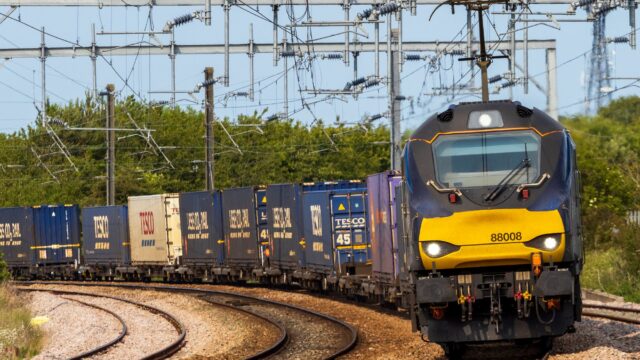
Intermodal Contract Rates Jump 12% on Transcon Lanes, Mostly From Fuel
Intermodal contract rates rose more than 12% on transcontinental lanes and nearly 9% in the East, mostly from fuel, while rail still undercuts truckload.
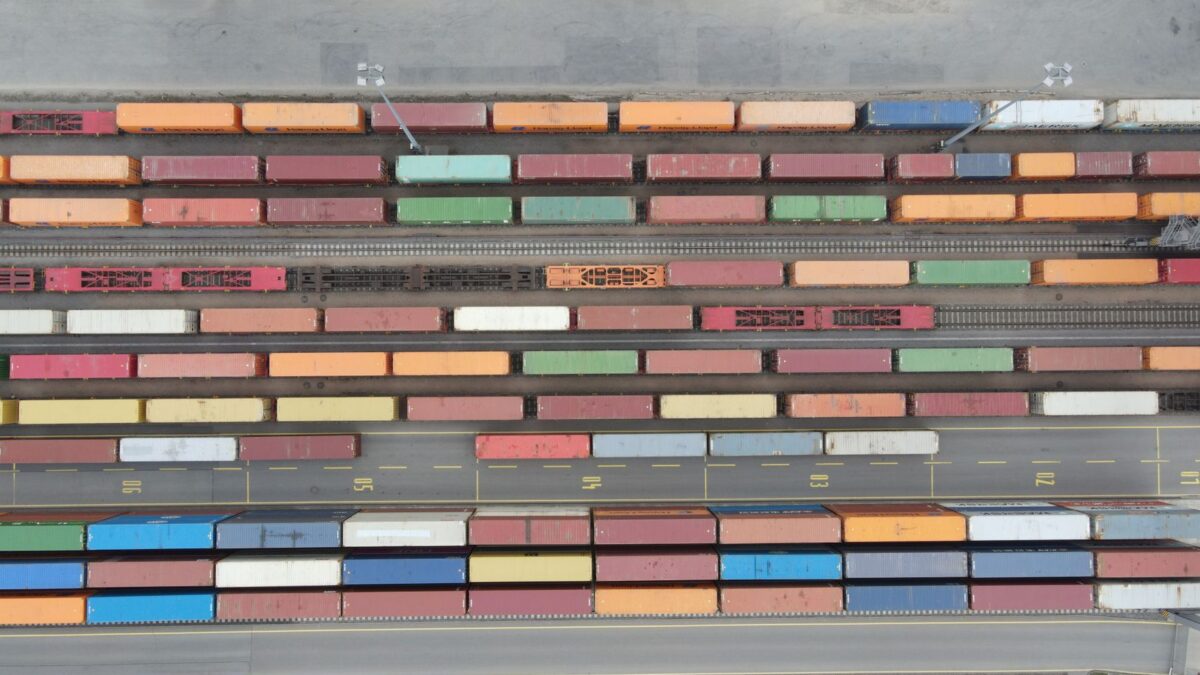
Intermodal contract rates have climbed sharply this fall, and higher diesel prices explain most of the increase. Transcontinental rail lanes are up more than 12% from a year ago and shorter Eastern lanes are up close to 9%, according to FreightWaves SONAR data that includes fuel surcharges.
Even after those gains, intermodal still costs shippers about 30% less than comparable truckload lanes, so trucking has not won back much price advantage.
How much of the increase is fuel
FreightWaves estimates that fuel accounts for roughly two-thirds of the transcontinental increase and three-quarters of the Eastern one. With fuel stripped out, transcontinental rates are up about 5% and Eastern rates about 2%.
The indices are built from invoices, and invoices trail the actual freight by a few weeks. That delay shows up in the data. Diesel rose roughly 50% in March and April, and the transcontinental contract index then gained 6% from April to May. When diesel rose about 36% from July to September, the index followed with a 10% gain from August to October.
A widely published intermodal fuel surcharge schedule would imply an even bigger fuel effect, larger than the entire increase in either index. FreightWaves reads that gap as a sign that many large shippers have negotiated their own, gentler surcharge tables.
What it means for truckload carriers and shippers
The Intermodal Contract Savings Index, which compares rates on similar truckload and intermodal lanes, still shows a 30% discount for rail. That is only slightly below its peak of 33% in June. For owner-operators and small fleets competing with rail on long hauls, the rate gap that pushes freight onto trains has barely narrowed.
Most intermodal contracts reset once a year, usually near year-end. J.B. Hunt, one of the largest intermodal carriers, said it got only low-single-digit rate increases in the bid season that closed in September. FreightWaves says the new data likely captures the start of those contracts.
High fuel surcharges help explain why base rate increases stayed small. Total rates were already elevated, and the surcharge did most of the lifting.
The tradeoff in fuel surcharges
When fuel makes up a bigger share of a contract rate, prices swing more through the year. A contract signed while diesel is expensive also has more room to fall later if fuel drops. A smaller fuel share keeps costs steadier, but shippers then gain less when diesel gets cheaper. FreightWaves notes that surcharges exist to split fuel risk between carriers and shippers, not to earn carriers extra profit.
Rail volumes and disruptions
Intermodal volumes have largely recovered and are growing at around 7% annualized, so shippers do not appear to be leaving rail over the higher rates. Recent problems still show rail’s limits: a weather-related BNSF washout in New Mexico and a technical outage at CSX both interrupted service.
What to watch
FreightWaves expects most of the new contract increases to show up fully in the data over the coming weeks. That will give a clearer read on how intermodal pricing compares with truckload heading into the new contract year.
Source: FreightWaves