How Much It Costs to Start a Trucking Company: Cost Breakdown
Starting a trucking company costs from a few thousand dollars in filings to six figures with a truck. See each cost category and a labeled example.
Starting a trucking company costs anywhere from a few thousand dollars, if you only count filings and insurance down payments, to six figures once you add a truck, a trailer and operating cash. The biggest lines are almost always the equipment, the insurance and the money needed to run the business until customers pay their first invoices.
What are the main startup cost categories?
Every new carrier pays for the same handful of things, though the amounts vary a lot by truck, state and driving record:
- Business formation, licenses and registrations
- Federal operating authority and related filings
- Insurance down payments and deposits
- Truck, trailer and equipment (purchase down payment, lease deposit or rental)
- Permits, plates and highway use tax
- Working capital for fuel, repairs, payroll and payments until freight bills are paid
What do registration and authority involve?
A for-hire carrier hauling regulated freight across state lines needs a USDOT number and operating authority (often called an MC number) from the Federal Motor Carrier Safety Administration (FMCSA). Registration starts on the FMCSA registration page. The operating authority application carries a one-time filing fee of $300, and the USDOT number itself is free.
Authority is not active until you also file proof of insurance and name a process agent (a BOC-3 filing, normally bought from a filing service). Most carriers also deal with the Unified Carrier Registration (UCR) annual fee, the International Registration Plan (IRP) for apportioned plates, the International Fuel Tax Agreement (IFTA) fuel tax account and the federal heavy vehicle use tax (Form 2290). Fees for these depend on fleet size, states and truck weight, so check current amounts with each agency.
Drivers who need a commercial driver’s license (CDL) must also hold a current DOT medical card and be registered in the Drug and Alcohol Clearinghouse. A company needs a drug and alcohol testing program too, and owner-operators usually join a consortium to run one.
How much does trucking insurance cost to start?
Insurance is usually the largest surprise. Federal rules set a minimum of $750,000 in primary liability coverage for most for-hire carriers of general freight, and many brokers and shippers ask for more, plus cargo coverage. The premium depends on your driving and claims history, the truck, the cargo, your experience and the state where you garage the truck, so new authorities often pay more than established ones. Insurers commonly want a down payment at the start, then monthly installments. Get written quotes from several agents who specialize in trucking before you commit to a budget.
What does the equipment cost?
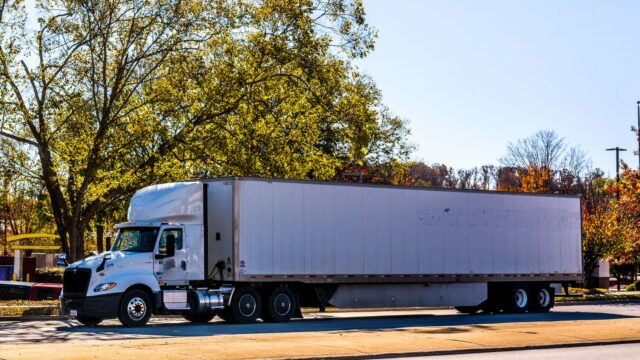
A tractor is the largest single purchase. Options are paying cash, financing with a down payment, leasing, or leasing onto a larger carrier. A trailer is a second cost unless you haul for a company that supplies one. Other equipment includes an electronic logging device (ELD), straps and chains, tires, a safety kit and a fuel card setup. Used trucks cost less to buy but can bring higher repair bills, so budget a repair reserve. The comparison of owner-operator and company driver costs shows how those ongoing lines look from the driver’s side.
How much working capital do you need?
Customers and brokers often pay 30 days or more after delivery, while fuel, insurance and truck payments are due right away. Working capital is the cash that covers that gap. Many new carriers plan for several weeks of operating expenses, and some use factoring (selling invoices for a fee to get paid sooner), which adds a cost on each load. To see which expenses repeat every mile, read about fixed and variable trucking costs per mile. The U.S. Small Business Administration also lists general guidance on business structure and financing.
What does a startup budget look like? An illustrative example
The figures below are made-up round numbers for a one-truck startup. They are not quotes, averages or a recommendation. Replace each line with real quotes.
- Business formation and licenses: $1,000 (assumed)
- Operating authority filing fee: $300
- Insurance down payment: $5,000 (assumed)
- Used truck down payment: $15,000 (assumed)
- ELD and basic equipment: $1,000 (assumed)
- Permits, plates and highway use tax: $2,000 (assumed)
- Working capital reserve: $20,000 (assumed)
Those assumptions add up to $44,300 before any trailer purchase and before monthly truck and insurance payments begin. A carrier that buys a truck outright, hires drivers or needs a trailer would budget much more.
Quick answers
Do I need an MC number?
If you haul regulated freight for hire across state lines, yes. Carriers hauling only their own goods, or operating inside one state, may follow different rules, so confirm with FMCSA and your state.
Can I start with one truck?
Yes. Many carriers begin with a single truck and an owner who drives it. Records matter from day one, and the guide to trucking company record retention lists how long to keep each file.
What if the business does not work out?
Plan for it before you borrow. The article on what to do when a trucking company shuts down covers the steps.