WattEV Opens Port of Oakland Depot, Adds Tesla Semis to Fleet
WattEV opened its eighth California truck charging depot at the Port of Oakland and introduced Tesla Semis. Here is what the depot offers and who can use it.
WattEV opened a public heavy-duty truck charging depot at the Port of Oakland on Nov. 23, its eighth in California and the first in Northern California, according to the company’s announcement. The company also introduced the first of what it called a large fleet of electric Tesla Semi trucks that will haul freight from the port to destinations around the Bay Area and Northern California.
WattEV said the per-mile energy cost of these electric trucks is lower than that of comparable diesel trucks at current diesel prices. The company did not publish the figures behind that comparison.
What the Oakland depot offers
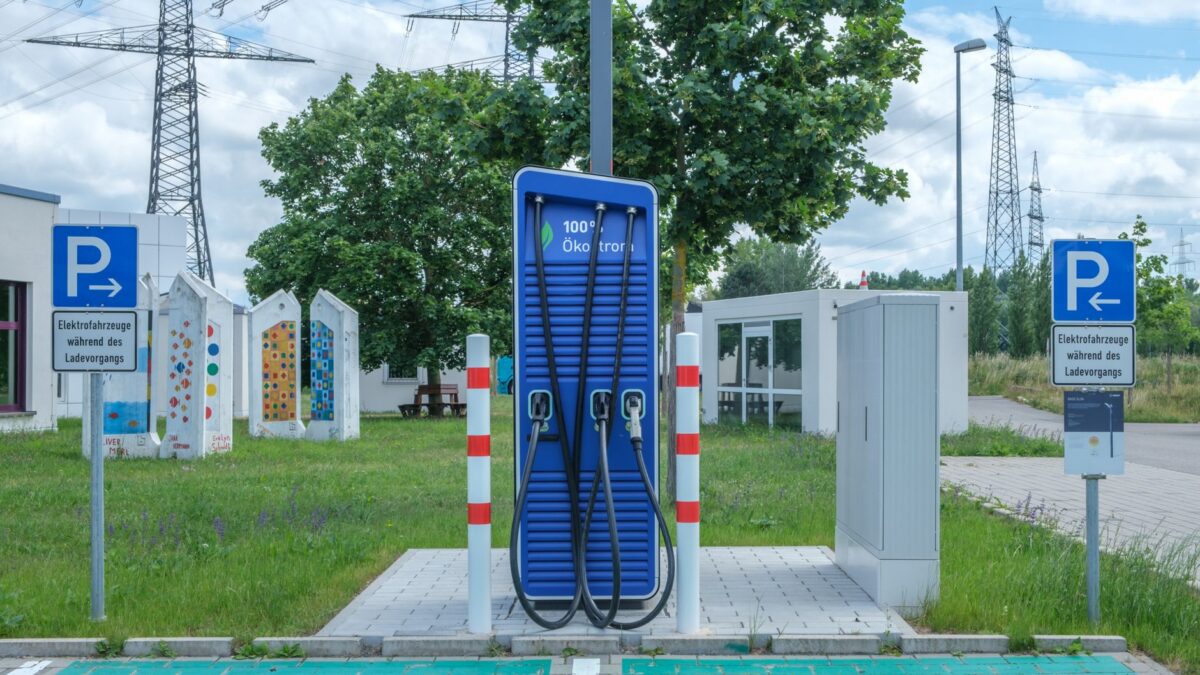
The depot is at 8407 Edgewater Drive in Oakland. WattEV said it can charge 25 medium- and heavy-duty electric trucks at once at up to 240KW each, or seven trucks at 1.2 MW. It is built for megawatt charging, which the company says brings charging “dwell times” to 30 minutes or less, comparable to diesel refueling.
PG&E supplies the power through its Flex Connect program. Madeline Silva, head of PG&E’s Bay Area Region, said the program connects customers faster by using smart technology to get more from the existing grid instead of waiting years for upgrades.
The planned freight corridor
WattEV said more than 300 electric Semis will establish a zero-emission freight corridor from the Bay Area to Sacramento, the Central Valley, Nevada and beyond. It did not give a date for when that fleet size will be reached. The company named Oakland and Stockton as ports it intends to link to Sacramento, Central California and Nevada.
The new site adds to seven existing WattEV depots at the Port of Long Beach, Bakersfield, San Bernardino, Gardena, Vernon, Oxnard and Fresno. CEO and co-founder Salim Youssefzadeh said most truck charging infrastructure has so far been concentrated in Southern California.
For background on range, charging and incentives, see our guide to electric semi trucks in service.
Why it matters for Northern California fleets
Drayage and regional carriers serving Oakland have had few public options for charging heavy trucks in the north of the state. A public depot gives fleets there a place to charge without building their own site, and the stated 30-minute charging window is the figure to watch against real-world use. The cost claim applies to energy per mile only. WattEV did not address truck purchase prices, lease rates or charging fees.
The port said the project is a milestone toward its zero-emission policy goals. Port of Oakland Executive Director Kristi McKenney said the port is seeing “real progress” in how freight moves through the Oakland Seaport. The port begins its centennial next year.
Who took part
WattEV named the Port of Oakland, the Bay Area Air District, Tesla and the California Air Resources Board as partners. The opening ceremony also included representatives of the City of Oakland, the California Energy Commission and PG&E, along with guests from the Air Resources Board and the office of Assemblymember Mia Bonta.
WattEV is a subsidiary of Watt Systems, which is developing solid-state transformer technology for AI and EV infrastructure. All performance and cost claims in this story come from WattEV’s announcement and have not been independently verified.
Sources: Yahoo Finance, Markets Insider