Diesel Benchmark Falls 16.5 Cents to $6.127 a Gallon
Diesel's weekly average fell 16.5 cents to $6.127 a gallon, the second straight drop. Futures and Brent slid too; analysts disagree on what is next.
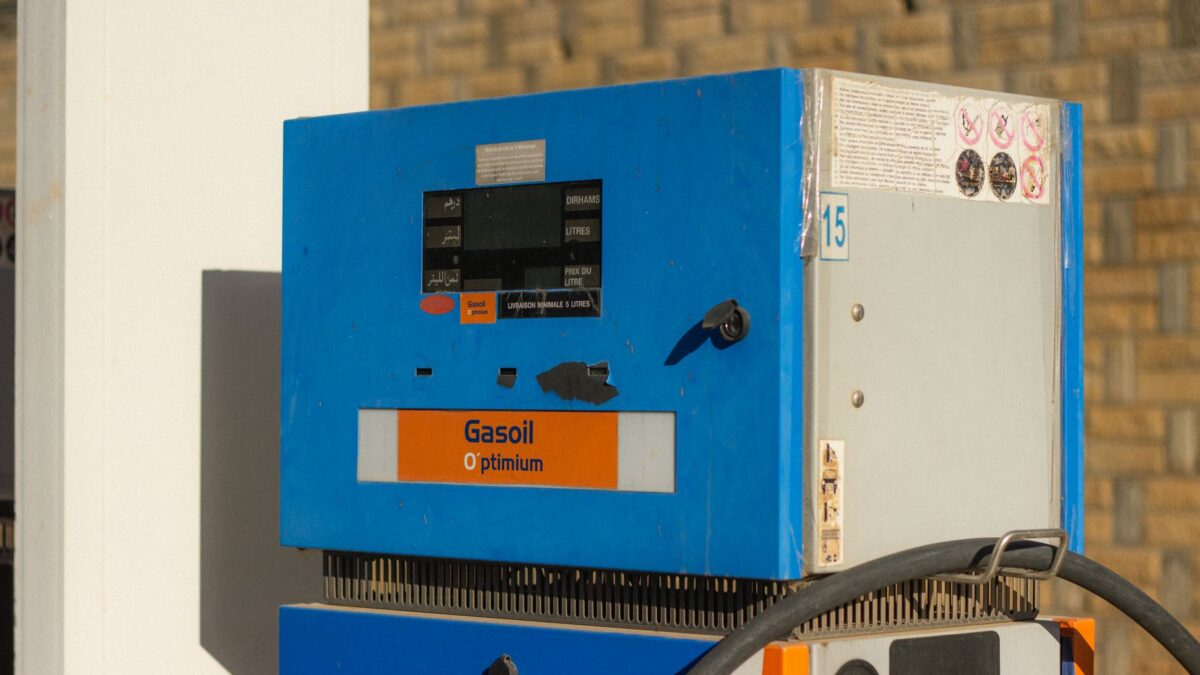
The average retail diesel price tracked by the Department of Energy’s Energy Information Administration (EIA) fell 16.5 cents to $6.127 a gallon, according to FreightWaves. The figure took effect Monday and was published Tuesday. It is the price that most fuel surcharges are built on, so the drop flows directly into what carriers bill and what drivers and owner-operators recover on fuel.
This is the second week in a row of decline. The price is now at its lowest since Oct. 12.
How far prices have come off the record
The series hit its all-time high on Sept. 22, just seven weeks ago, at $6.529 a gallon. FreightWaves reported that the latest reading sits well below that peak but still above where it stood in mid-October.
Futures markets moved faster than the retail average. Ultra low sulfur diesel (ULSD), the fuel grade traded on the CME commodity exchange, settled at $4.4216 a gallon on the first day of November. On Monday it settled at $4.2148. By about 11:40 a.m. Tuesday it was trading at $4.1409.
Brent, the global crude benchmark, followed the same path. It settled at $104.77 a barrel on the first trading day of November, closed Monday at $92.57, and was at $91.55 at 11:40 a.m. Tuesday.
What traders say drove the selloff
FreightWaves tied the slide in oil and diesel futures to the days after Election Day. Markets expect a Democratic Congress and an administration that may pull back from further military action in the Middle East, the outlet reported. Oil has often dropped sharply on any sign that tensions in the region might ease.
Amrita Sen, director of market intelligence at Energy Aspects, told Bloomberg Television on Tuesday that the market has “erased it all” in terms of the risk premium tied to the war. She said trade data from before the election showed heavy positioning for an escalation after the vote. “People were positioning for an imminent strike,” Sen said, and when none came, the selling began.
In her view, traders now believe the war will end regardless of U.S. politics, because both Democrats and Republicans want it to stop.
The case that supply is still tight
Bank of America Merrill Lynch’s energy research team, led by Francisco Blanch, takes a more bullish view. In a recent report, the team said global oil supply disruptions have reached record levels in 2026, with a production shortfall larger than anything in data going back to 1965.
The team wrote that the market began the conflict well supplied after several quarters of surplus, and that inventories absorbed much of the early shock. That cushion is being drawn down quickly, the report said, with large stock draws in China and falling strategic inventories across OECD economies. The bank’s analysts also pointed to months of lost output, damaged refineries in the Middle East and Russia, and flows through the Strait of Hormuz that rely heavily on U.S. military support.
The report described a market that has absorbed an enormous physical shock but has much less protection against the next one. It said the direction of the U.S.-Iran war remains central to oil prices over the next 12 months.
What this means for fuel costs
Because the EIA weekly average is the reference for most surcharge schedules, a lower reading reduces the per-mile or percentage surcharge that shippers owe under those schedules. The retail price lags futures, and ULSD at $4.1409 on Tuesday was already below Monday’s settlement of $4.2148. Retail diesel at $6.127 is still close to the record of $6.529 set in September.
The two outlooks above point in opposite directions. Energy Aspects describes a market that has removed its war premium. Bank of America’s team describes a supply system with thin buffers. The next EIA weekly figure will show whether the retail decline continues.
Source: FreightWaves