Fura Freight’s AI Agent Books 40% of Loads, Targets 90%
Fura Freight says its AI agent Donna books more than 40% of loads and should reach 90% next year as the broker plans 6 to 12 more acquisitions.
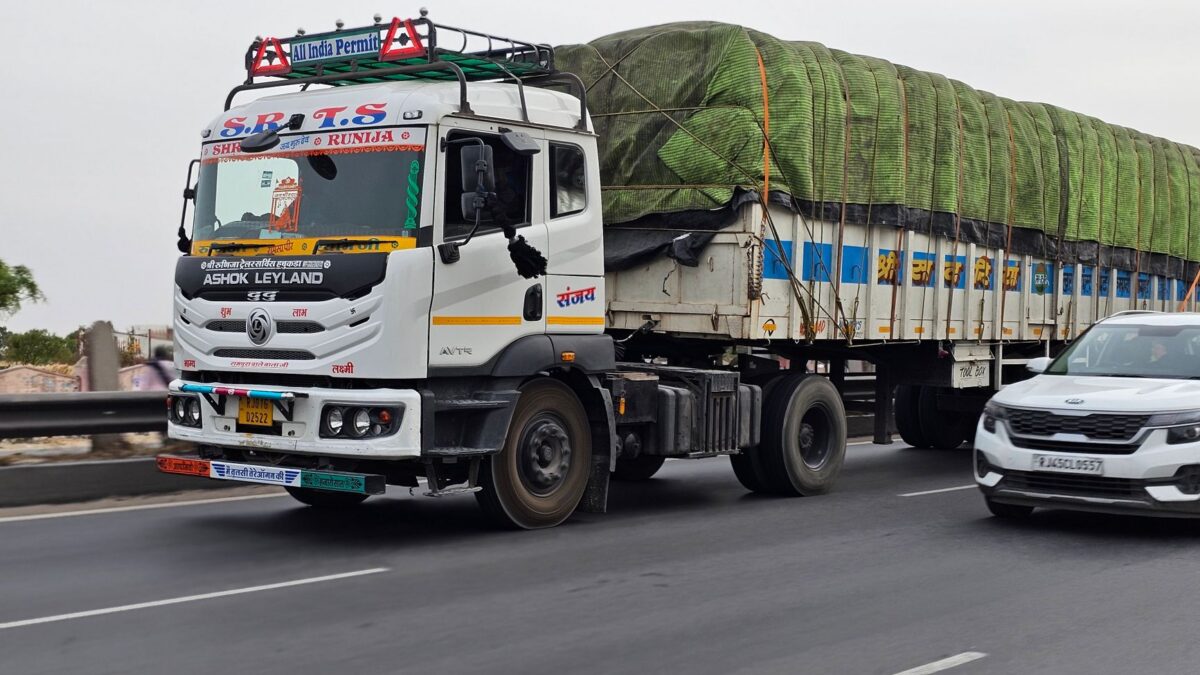
Fura Freight, a Cincinnati-based brokerage, says its AI agent now books more than 40% of the company’s loads. CEO Jeff Dangelo told FreightWaves he expects that share to reach 90% by the end of next year.
The agent, named Donna, calls carriers, takes their calls, negotiates rates and books freight from start to finish, according to the interview summary. For now a team lead confirms the final negotiated deal.
How Donna works inside the brokerage
Donna is connected to Fura’s pricing algorithm and its transportation management system, the software brokers use to track loads. It also uses Highway to check carrier compliance. Dangelo said a fully autonomous 100% booking rate is a longer-term goal, because each acquisition brings new lanes and carrier relationships that take time to work into the system.
Dangelo said the automation lets Fura absorb acquisitions quickly and cut its selling, general and administrative costs while freight margins shrink across the industry. The company currently brings in $2.5 million in revenue per employee, a figure he said will keep improving as AI trims those costs further.
Eight deals and a $1 billion target
Fura’s eighth acquisition, Road Dog Logistics of Cincinnati, is its largest so far, with just over $30 million in revenue. It brought shipper relationships and strengthened Fura’s food and beverage business.
Dangelo said the company plans to complete between 6 and 12 acquisitions next year and aims to reach $1 billion in revenue within three years. Fura has grown from a $10 million revenue run rate to more than $100 million in two years, and half of that growth was organic, he said.
He said Fura can onboard a purchased brokerage in roughly two weeks because integration planning happens before closing, and its AI tools begin processing data and handling carrier-side work right away. Large acquirers, by his account, can take up to two years to integrate a single deal. Stacking 10 to 15 smaller transactions would let Fura add $300 million in revenue while keeping onboarding under a year, he said.
Spot costs rise before the holidays
Dangelo cited data showing the spot cost per mile up 31% for dry van, 32% for reefer and 28% for flatbed, which he described as tightening capacity heading into the holiday season. Fura is expanding its carrier sales and carrier success teams over the next three to six months. He said Donna can reach more carriers than a human team could.
The Montgomery ruling and small brokers
Dangelo said the Supreme Court’s 9-0 decision in Montgomery, which allows freight brokers to be sued under state law for hiring unsafe carriers, is speeding up Fura’s acquisition pipeline. Small brokers facing higher insurance costs and new liability exposure are increasingly looking to sell, which widens the pool of targets. “It changed the math risk overnight,” he said of the ruling.
He also named rising insurance costs as a main source of margin pressure and a reason Fura has invested heavily in AI to lower its own operating costs.
What this means for carriers and drivers
Carriers working with Fura may increasingly deal with an automated agent for rate talks and booking, with a human team lead stepping in at the end. Fura’s carrier sales and carrier success teams are growing over the same period, according to Dangelo. Carriers weighing any broker can read how to check a freight broker before taking a load.
The figures come from Dangelo’s own statements in the interview. Fura’s 90% booking target, its acquisition plan and the $1 billion revenue goal are company targets, not results.
Source: FreightWaves