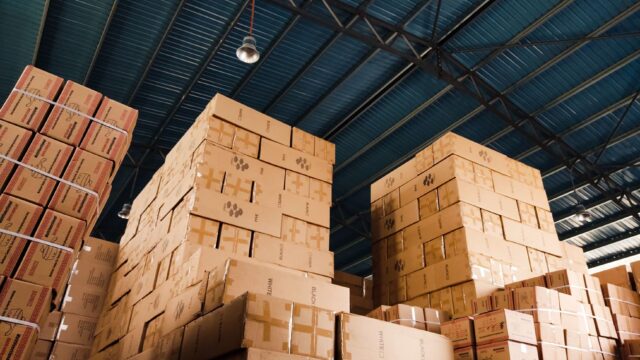
Cross-Docking Explained: How Freight Moves Through a Cross-Dock
Cross-docking moves freight from inbound trucks to outbound trucks with little or no storage. See how it works, why shippers use it and what drivers see.
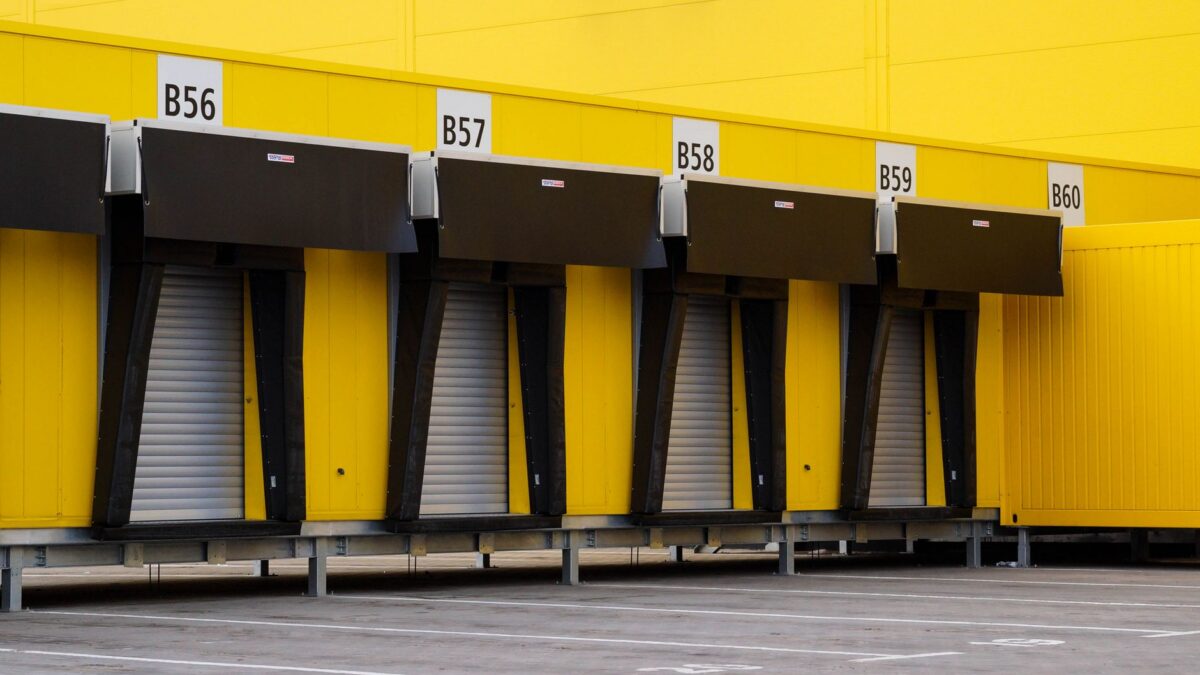
Cross-docking is a freight method in which goods are unloaded from inbound trucks at a terminal or warehouse and loaded onto outbound trucks with little or no storage in between. Freight often spends hours, not days, in the building. Shippers use it to cut handling and storage costs, speed up delivery and combine small shipments into full loads.
How does a cross-dock work step by step?
A cross-dock is a building with doors on opposite sides, one side for inbound trailers and one for outbound. Freight moves across the floor instead of into long-term storage.
- A truck arrives at an inbound door, usually on a scheduled dock appointment.
- Workers unload the trailer and check the freight against the paperwork, such as the bill of lading.
- Freight is sorted by destination, store, customer or route, and labeled or scanned.
- Pallets or cartons are moved by forklift or conveyor to the staging area for the right outbound door.
- The outbound trailer is loaded, sealed and dispatched.
Some operations break down large inbound loads into smaller outbound loads. Others combine many small shipments into a full truckload. Both use the same floor and the same principle: move it, do not store it.
Why do shippers use cross-docking?
Shippers use it to reduce the time freight sits idle and the cost of holding it. Less storage means less warehouse space, less inventory sitting on shelves and fewer touches by workers.
- Lower storage and handling cost compared with putting goods away and picking them again.
- Faster flow of perishable or time-sensitive products, such as groceries.
- Fuller trailers, because small shipments are consolidated before the long haul.
- Store or customer deliveries built from several suppliers on one truck.
Retailers and grocery distributors are common users, as are less-than-truckload (LTL) carriers, whose terminals work as cross-docks for freight from many customers.
What kinds of cross-docking are there?
The main types differ in when the freight is sorted and who handles it.
- Manufacturing cross-dock: parts from suppliers are received and sent to the assembly line.
- Distributor cross-dock: goods from several suppliers are combined into mixed pallets for a customer.
- Transportation cross-dock: freight from multiple shippers moves between trucks, as at an LTL terminal.
- Retail cross-dock: goods from vendors are sorted to individual stores.
Some facilities also do light work, such as labeling or repacking, before the freight leaves. That can turn a quick transfer into a longer stop.
What does a cross-dock mean for truck drivers?
For drivers, it usually means a tight appointment and a quick turn, with a risk of waiting if the schedule slips. The whole system depends on inbound trucks arriving on time so outbound trucks can leave on time, so a late arrival can miss its slot. Missed slots can mean waiting for a new door and unpaid hours. The article on dock appointments and detention explains how waiting time is handled, and the trucking terms glossary covers drop and hook and other terms drivers hear at the dock.
Check the appointment time, the door number and any seal or paperwork rules before you arrive. Ask whether the load is live unload or drop, and note the time you arrive and when you are unloaded, since that record matters if detention is disputed.
What can go wrong at a cross-dock?
The speed that makes cross-docking efficient also makes mistakes costly. Common problems include:
- Late inbound trucks that throw off the outbound schedule.
- Mislabeled or mis-sorted freight that goes to the wrong door.
- Congested doors and yards when many trucks arrive together.
- Damage from extra handling, since freight is touched at least twice.
- Shortages or overages noticed only at the final delivery.
Good cross-docks use scanning, clear labels and a shared schedule to catch these early. Drivers help by noting damage and shortages on the receipt before leaving. FMCSA rules on hours of service still apply to time waiting at the dock, so see the FMCSA website for the current rules.
How does cross-docking affect freight rates and routing?
It changes how shippers build routes, since consolidated freight moves in fewer, fuller trucks over the long leg. Shippers that bid out lanes may include cross-dock stops in their routing guides, as the piece on shipper bid season describes.
Quick answers
Is cross-docking the same as warehousing?
No. A warehouse stores goods for days or weeks, while a cross-dock moves them through, often within a day.
Does cross-docking reduce shipping cost?
It can, mostly by reducing storage and handling and filling trailers, but extra stops add cost when planning is poor.
What is the difference between cross-docking and drop and hook?
Drop and hook is about swapping trailers so the driver does not wait. Cross-docking is about moving freight from one truck to another at a facility.