Port Labor Contracts: ILA and ILWU Deals That Keep US Ports Running
Two union contracts decide whether containers move at US seaports. Both are in force, but the West Coast deal expires first, in mid-2028.
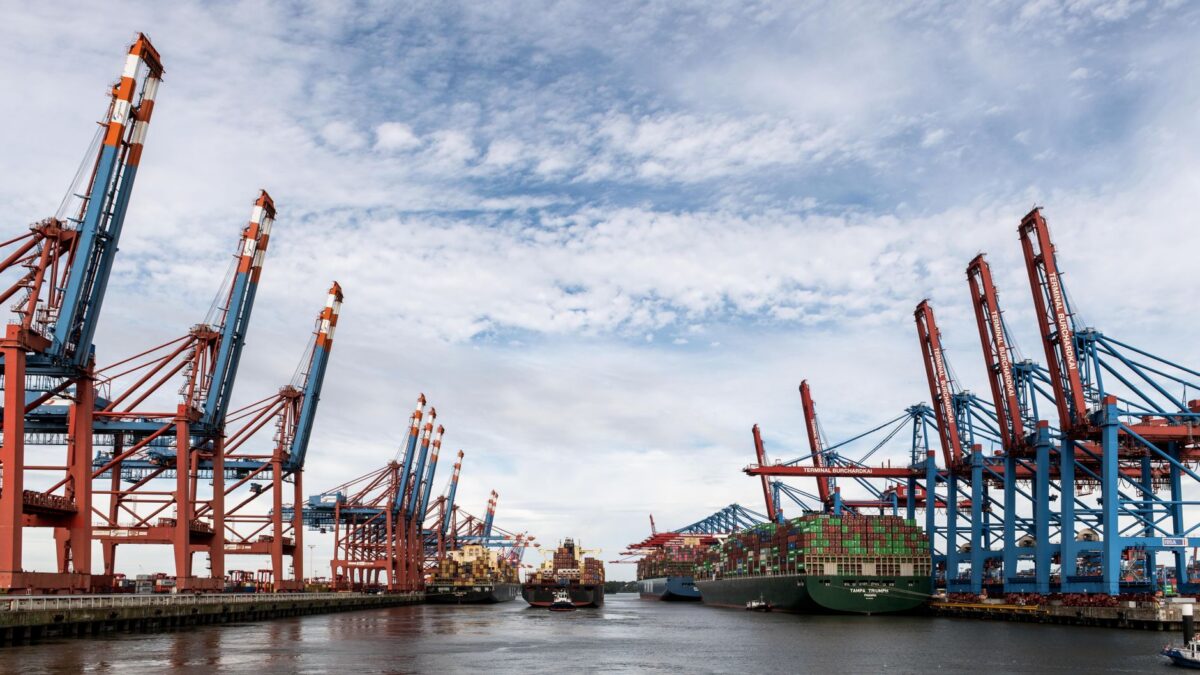
Two master contracts cover longshore work at most US container ports. The ILA-USMX master contract for East and Gulf Coast ports runs from October 1, 2024 through September 30, 2030, and bans fully automated terminals. The ILWU-PMA contract for 29 West Coast ports runs through July 1, 2028. While both are in force, a coastwide port strike is unlikely.
What contracts cover US port workers?
Dockworkers who load and unload ships, move containers in terminals and run the gates are represented by two unions, each bargaining with an employer group:
| East and Gulf Coast | West Coast | |
|---|---|---|
| Union | International Longshoremen’s Association (ILA) | International Longshore and Warehouse Union (ILWU) |
| Employers | United States Maritime Alliance (USMX) | Pacific Maritime Association (PMA) |
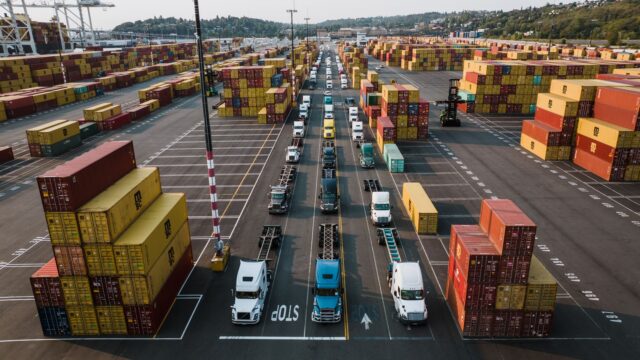
| Ports | Maine to Texas, including New York-New Jersey, Savannah, Charleston, Houston | 29 ports in California, Oregon and Washington, including Los Angeles, Long Beach, Oakland, Seattle and Tacoma |
| Contract term | October 1, 2024 to September 30, 2030 | July 1, 2022 to July 1, 2028 |
| Ratified | February 25, 2025 | Announced August 31, 2023 |
Local issues at individual ports are covered by local agreements under each master contract, so short local disputes can still happen.
What does the ILA master contract say about wages and automation?
The ILA-USMX contract was reached after a three-day coastwide strike in October 2024 and a tentative deal in January 2025, and the union said nearly 99 percent of voting members approved it. The master contract text published by USMX raises the top straight-time rate for longshore workers in six steps:
- $39 an hour as of September 30, 2024;
- $45 from October 1, 2024, then $50, $54, $57 and $60 in later years;
- $63 in the final year, from October 1, 2029.
That is the roughly 62 percent raise the union announced. On technology, the contract says no fully automated terminals may be developed and no fully automated container handling equipment may be used during its term, defining fully automated as devoid of human interaction. No new technology may be put in until the parties agree on staffing and protections or complete a joint committee process, and remotely operated ship-to-shore cranes are banned at any port during the contract.
What does the ILWU-PMA contract cover?
The West Coast contract is a six-year deal retroactive to July 1, 2022 and running to July 1, 2028. The ILWU announced on August 31, 2023 that members had ratified it after more than a year of talks, and PMA’s contract summary lists a 32 percent wage increase over the six years. Unlike the East Coast, several West Coast terminals already operate automated cargo-handling equipment, and automation is likely to be a main topic when bargaining starts for the next contract.
What would a port strike do to trucking?
A strike or lockout stops container moves at the affected ports, so drayage work there stops within a day. The effects truckers would see:
- Drayage idles: no gate transactions, so port drivers paid by the load lose income immediately. See how port drayage works.
- Containers stuck inside: loaded boxes cannot be picked up, which raises disputes over demurrage and per diem when the gates reopen.
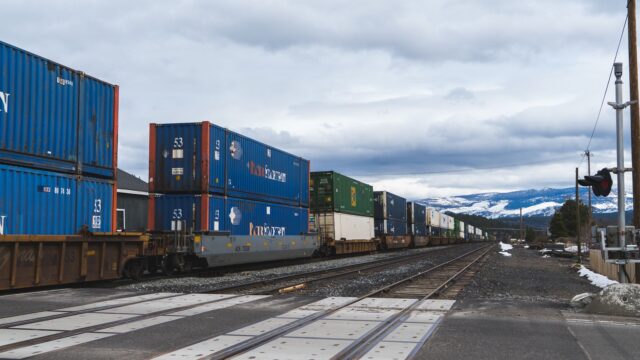
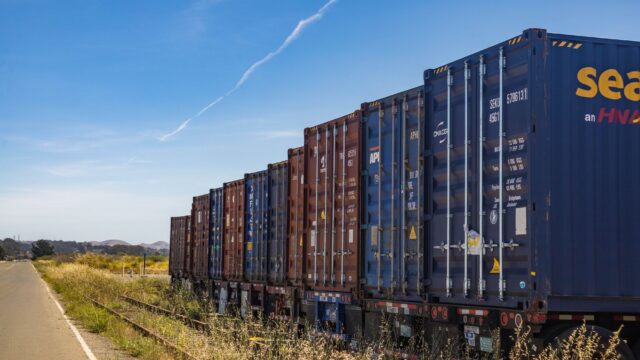
- Freight shifts: importers move cargo to the other coast or to Canada and Mexico, raising truck and rail demand there. Rail intermodal lanes out of the unaffected coast fill up, covered in how intermodal works.
- Backlog after: ships bunch up when work resumes, so congestion and long terminal turn times can last for weeks after a short strike.
Not every disruption is a full strike. Slowdowns, unfilled shifts during a dispute and local walkouts over one terminal’s issues can stretch turn times without closing a port, and drivers usually see them first as longer gate lines and canceled appointments. During a dispute, terminal advisories in the appointment systems and port authority notices are the quickest official sources, often ahead of union or employer statements.
Shippers often pull imports forward ahead of a contract expiration, which can lift truck volumes in the months before a deadline and soften them after.
When are the next contract talks?
The West Coast contract expires first, on July 1, 2028, so ILWU-PMA bargaining is expected in the first half of 2028. Port disputes fall under the national emergency provisions of the Taft-Hartley Act, which let the president seek an 80-day cooling-off injunction if a strike or lockout threatens national health or safety, as was done on the West Coast in 2002. East and Gulf Coast talks are not due until the run-up to September 30, 2030.
Bottom line
For truckers planning port work, mid-2028 is the date to watch, not 2030. Imports tend to surge before a West Coast deadline and drayage rates follow, then the risk passes or a disruption pushes freight east and onto rail. A TWIC card, covered in our TWIC card guide, keeps a driver able to follow the freight to either coast.
FAQ
When does the ILA contract expire?
The ILA-USMX master contract runs through September 30, 2030. It covers longshore work at East and Gulf Coast ports from Maine to Texas.
When does the West Coast port contract expire?
The ILWU-PMA contract runs through July 1, 2028. It covers 29 ports in California, Oregon and Washington.
Does the ILA contract ban automation?
It bans fully automated terminals and fully automated container handling equipment, and remotely operated ship-to-shore cranes, for the contract term. Other new technology can be introduced only after the parties agree on staffing and protections or complete a joint committee process.
Was there a port strike in 2024?
Yes. ILA members struck East and Gulf Coast ports for three days starting October 1, 2024, before a tentative wage deal sent them back to work.