DOT Drug Test Rules for CDL Drivers: Panel, Random Rates, Refusals
The five drug classes in a DOT test, the six reasons a CDL driver gets tested, why marijuana is still a violation, and the refusal list that ends careers.
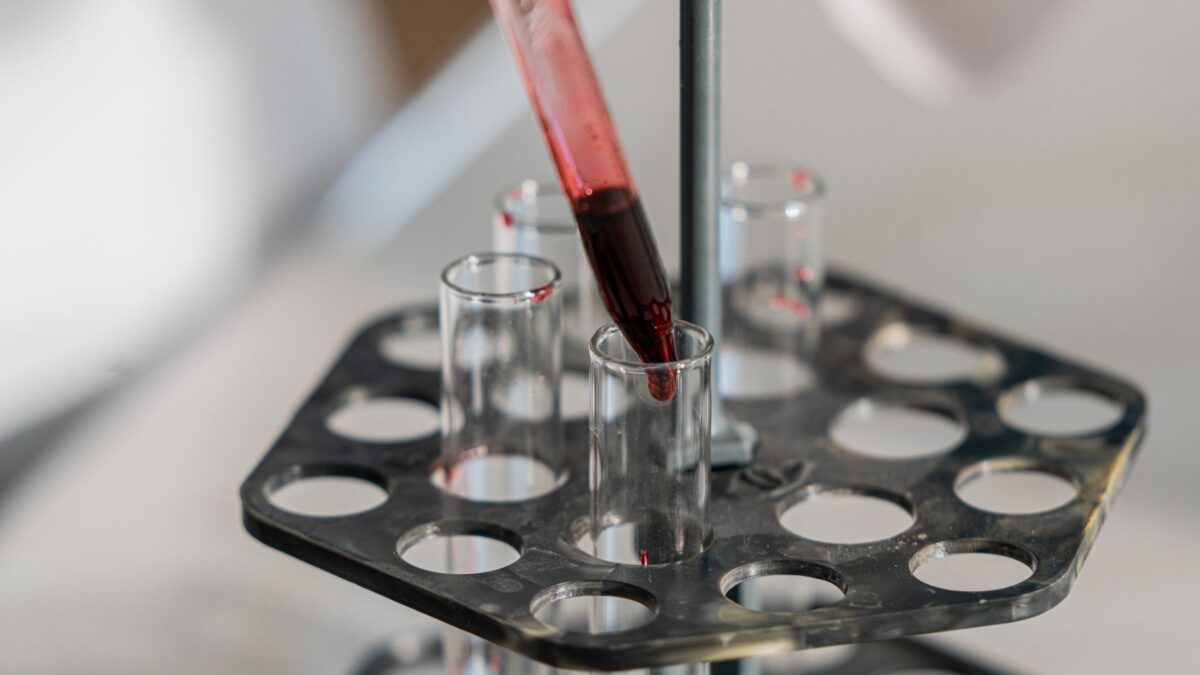
A DOT drug test for CDL drivers is a urine test under 49 CFR Part 40 that screens for five drug classes: marijuana, cocaine, opioids, amphetamines and phencyclidine (PCP). FMCSA requires carriers to randomly test at least 50 percent of driver positions for drugs and 10 percent for alcohol in 2026, the same rates in place since 2020.
Testing rules for truck and bus drivers are in 49 CFR Part 382, and the lab and collection procedures are in Part 40. A positive test, a refusal or an alcohol violation is reported to the Clearinghouse and removes the driver from safety-sensitive work until the return-to-duty process is done. Rules below are as of November 2026.
What does a DOT drug test screen for?
Labs test for the substances and cutoffs listed in 49 CFR 40.85. The panel is often called a 5-panel, but the opioid group is broader than the name suggests.
| Drug class | What the lab tests for |
|---|---|
| Marijuana | THC metabolite (THCA) |
| Cocaine | Benzoylecgonine |
| Opioids | Codeine, morphine, hydrocodone, hydromorphone, oxycodone, oxymorphone and 6-acetylmorphine (heroin) |
| Amphetamines | Amphetamine, methamphetamine, MDMA and MDA |
| Phencyclidine | PCP |
Every positive screen is confirmed by a second, more precise test, and then a Medical Review Officer (MRO) reviews it before the employer hears a result. A driver with a valid prescription, such as for oxycodone, can explain it to the MRO, who may report the result as negative. The lab also checks every specimen for dilution, adulterants and substitution.
Is oral fluid testing allowed yet?
Not in practice. DOT’s 2023 rule added oral fluid as an option, but an employer can use it only after at least two laboratories are certified by HHS for oral fluid testing. A Federal Register document published May 11, 2026, stated that no laboratory held that certification, and HHS’s monthly lab list from May 2026 said the same. Until labs are certified, DOT drug tests stay urine tests.
When do CDL drivers get tested?
Part 382 sets six testing situations. The post-accident rules have specific triggers and deadlines.
| Test | When it happens | Rule |
|---|---|---|
| Pre-employment | Verified negative drug result before the first safety-sensitive work for an employer (alcohol optional) | 382.301 |
| Random | Unannounced, spread through the year; 50% drug and 10% alcohol minimum for 2026 | 382.305 |
| Post-accident | Any crash with a fatality; or a citation for a moving violation plus an injury treated away from the scene or a vehicle towed away | 382.303 |
| Reasonable suspicion | A trained supervisor observes signs of use | 382.307 |
| Return-to-duty | After a violation, once the substance abuse professional says the driver may test | 382.309 |
| Follow-up | At least 6 unannounced tests in the first 12 months back | 382.311 |
After a qualifying crash, the alcohol test should happen within 2 hours and may not happen after 8 hours. The drug test must be done within 32 hours. The citation has to come within 8 hours for the alcohol test and 32 hours for the drug test. Current random rates for every DOT agency are posted on the DOT random testing rates page.
Why is marijuana still a violation for CDL drivers?
Federal testing rules, not state law, decide what counts as a violation. A state medical card or legal recreational use does not change a DOT test result, and the MRO will not accept a state authorization as a medical explanation.
The rescheduling debate has not changed that so far. In a notice posted after the December 18, 2025, executive order directing the Justice Department to complete moving marijuana to Schedule III, DOT’s drug and alcohol policy office said its testing process and regulations will not change until rescheduling is complete. As of November 2026, Part 40 still lists marijuana in the test panel.
CBD products carry their own risk. They are not regulated for purity, and some contain enough THC to cause a positive result. DOT’s CBD notice says CBD use is not a legitimate medical explanation for a positive marijuana result.
What counts as refusing a drug test?
A refusal is treated the same as a positive test. Under 49 CFR 40.191, you have refused if you:
- Fail to show up for a test within the time your employer sets (pre-employment tests excepted).
- Leave the collection site before the process is finished.
- Fail to provide a specimen, or enough of one without a medical explanation.
- Refuse a directly observed collection or the observer’s instructions.
- Do not cooperate, such as refusing to empty pockets or wash hands, or behaving in a way that disrupts the collection.
- Possess or wear a device meant to interfere with the test.
- Admit to the collector or MRO that you adulterated or substituted the specimen.
- Have a result the MRO verifies as adulterated or substituted.
A dilute negative is not a refusal, but the employer may require a retest. An arbitrator, grievance process or state court cannot overturn the federal consequences of a refusal.
What happens after a positive or a refusal?
The driver must stop safety-sensitive work immediately and cannot drive a CMV for any DOT-regulated employer until finishing the return-to-duty process: an evaluation by a substance abuse professional, the education or treatment that person sets, a negative return-to-duty test and follow-up testing. The violation goes into the Clearinghouse, and states downgrade the CDL of a driver who is prohibited from driving. Our guide to the Drug and Alcohol Clearinghouse explains queries and how long records stay. Drug and alcohol violations are separate from the criminal offenses covered in CDL disqualification offenses.
Bottom line
Most drivers never see more than a pre-employment and a couple of random tests, but the refusal list is where careers end on a technicality. Leaving the clinic early, ignoring a call to test or arguing with the collector can count the same as a positive, so stay until the collector says you are done.
FAQ
Does a DOT drug test check for fentanyl?
Not as of November 2026. The Part 40 panel lists codeine, morphine, hydrocodone, hydromorphone, oxycodone, oxymorphone and 6-acetylmorphine, but not fentanyl. Employers cannot add drugs to a DOT test.
Can an owner-operator skip random testing?
No. An owner-operator with his or her own authority is both employer and driver and must join a consortium run by a third-party administrator, which handles the random selection.
How long does marijuana stay detectable?
It varies by person and use, and DOT gives no set window. The test reports any result at or above the cutoff, regardless of when or where the use happened.
Is the random rate per driver?
No. It is a minimum share of the average number of driver positions in the pool. Each driver has an equal chance each time, so some are picked more than once in a year.